Written by our editors from the sources on each card.
Getting from the airport
From OR Tambo, the Gautrain reaches Sandton until 20:30; at Cape Town, pre-book a transfer or an e-hailing ride and keep to the N2.
More on getting from the airport
The Gautrain's airport line links OR Tambo with Marlboro and Sandton. Trains run daily from 05:30 to 20:30, every 10 minutes at peak times and every 20 minutes off-peak.
A single from the airport to Sandton costs R228 at any time of day (fares from June 2025). A Gautrain Card costs R21 from station machines or ticket offices and must carry at least R38.
You can skip the card and tap a contactless bank card at the gates instead; use the same card to tag in and out, or you may be charged a penalty.
Thieves have followed arriving passengers out of OR Tambo and robbed them at their destination. Have your hotel or tour company collect you if you can, and keep to main roads.
Cape Town's MyCiTi A01 airport bus to the Civic Centre is suspended for now, so plan on a pre-booked transfer or an e-hailing ride booked and confirmed in the app.
Driving from Cape Town airport, take the airport approach road (exit 16 on the N2) and stay on the N2 and M3. The UK FCDO advises against the R300, Borcherds Quarry Road and satnav shortcuts.
Every SIM or eSIM must be registered under RICA with your passport; Vodacom sells 30-day visitor bundles at its airport shops.
More on SIMs and eSIMs
RICA registration is required by law before any SIM or eSIM works, prepaid or contract alike, and it's free. Carriers register you in store, and Vodacom also does it online.
Foreign visitors register with a valid passport, and may be asked for proof of address as well.
Vodacom's Travel Bundles, sold at its airport stores and some retailers, pair 3GB, 5GB or 10GB of data with airtime, minutes and SMS for R299 to R699, and last 30 days from activation.
Vodacom eSIMs come from its stores and have to be activated inside South Africa; prepaid buyers get the QR code printed on the till slip.
Cell C takes an unexpired passport as ID and wants a proof-of-address document showing your full name and address too; take both to a store.
Power cuts (load-shedding) are rarer than they were but still happen, and can take mobile networks and wifi down with them, so pack a power bank.
Tipping is part of daily life: around 10% in restaurants, small change for petrol attendants and car guards, and cash preferred.
More on tipping
In restaurants, around 10% is the norm, and more says the service was good. Wages are low, and tips make up much of the staff's pay.
The national tourism board says a 10% service charge is added automatically for tables of more than six, so read the bill before you tip.
Keep small notes and coins handy: tips are usually given in cash, even when you pay the bill itself by card.
Petrol stations are full service. About R5 for filling up is usual, and R10 to R20 if the attendant also cleans the windscreen or checks oil, water and tyres.
Informal car guards offer to watch cars parked on the street. A R5 coin is the usual thanks, R10 if they really helped, and you owe nothing to one who did nothing.
Hotel porters and housekeeping are tipped too. The tourism board's guide puts it at R15 to R20 a bag and R50 a day, though that guide dates from 2018.
Carry a copy of your passport rather than the original, greet before you ask, and remember only private cannabis use is legal.
More on etiquette
The UK FCDO's advice is to lock your passport in the hotel safe and carry copies of its photo page and your entry stamp, since officials can ask for ID at any time.
Private cannabis use is legal, but possessing or using any other drug, or carrying drugs through an airport, can bring a long jail term and heavy fines; transit luggage is scanned too.
Leave ivory, rhino horn and anything made from a protected wild animal in the shop: trading them without a permit is illegal, and buyers are prosecuted.
South African law is on LGBT+ travellers' side: same-sex relationships are legal and discrimination on grounds of sexual orientation is outlawed.
Greet before you get down to business: a hello, a smile and a handshake are the norm, and South Africans smile at and acknowledge strangers too.
English is one of the official languages and gets you by nearly everywhere; a braai, meat roasted over a fire, is the classic weekend social event.
Watch for cars tailing you from OR Tambo, fake app drivers at airports, bogus 'blue light' police on the road, and helpers at ATMs.
More on scams
Gangs have picked targets inside OR Tambo's terminals and followed them onto the motorway or to their hotel to rob them, often at gunpoint. If a car seems to tail you, pull in at a petrol station.
Ride only with the e-hailing driver you booked in the app, after matching the number plate and driver's ID to it; people posing as Uber or other app drivers operate at airports and in big cities.
A plain car, often white, flashing a blue light may be a carjacker posing as police. If a stop feels wrong, don't pull over: drive to a police or petrol station and call the police from there.
Real police carry an appointment certificate, so ask anyone claiming to be an official to show ID, and deal with them somewhere busy and open. Police: 10111; from a mobile, 112 also works.
Card skimming is widespread. Use ATMs inside banks or malls, cover the keypad as you type your PIN, and refuse help from anyone, including people who try to lead you to a particular machine.
If the ATM keeps your card, phone your bank's stop-card line yourself: letting a stranger make the call is a known fraud, and the guards posted at ATMs aren't there to handle your transaction.
South Africa, officially the Republic of South Africa (RSA), is the southernmost country in Africa. The country consists of nine provinces, and is bounded to the south by 2,798 kilometres (1,739 miles) of coastline that stretches along the South Atlantic and Indian Ocean; to the north by the neighbouring countries of Namibia, Botswana, and Zimbabwe; and to the east and northeast by Mozambique and Eswatini. South Africa also encloses Lesotho.
Voortrekker Monument: John Walker, Images of Africa Taken from de-Wikipedia, where it had been uploaded by Head under the same filename. · Public domain · Commons

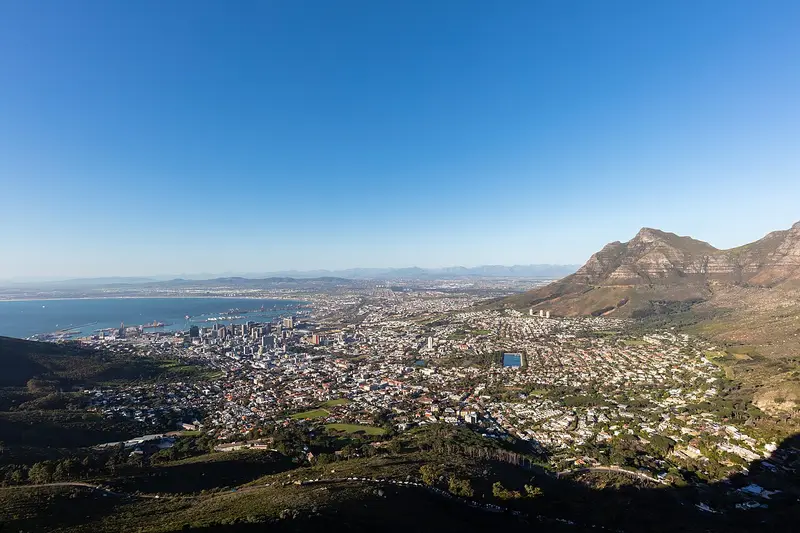
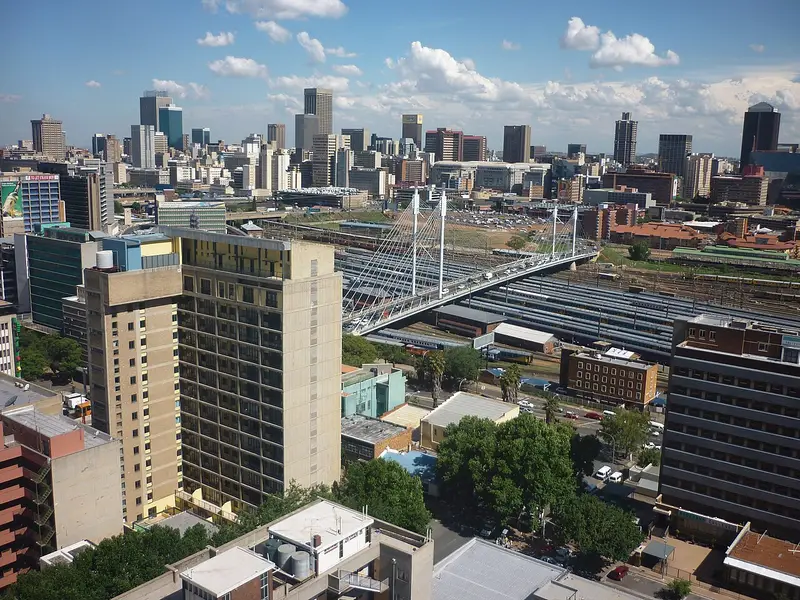
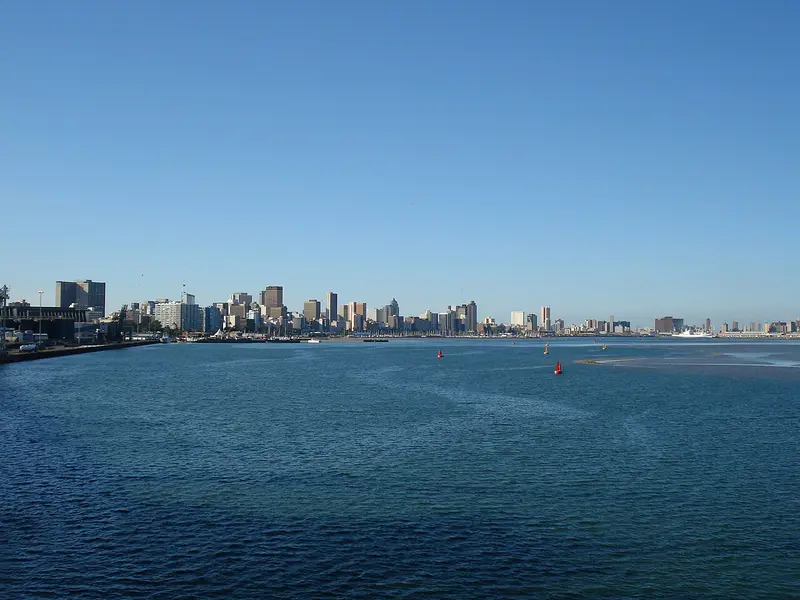
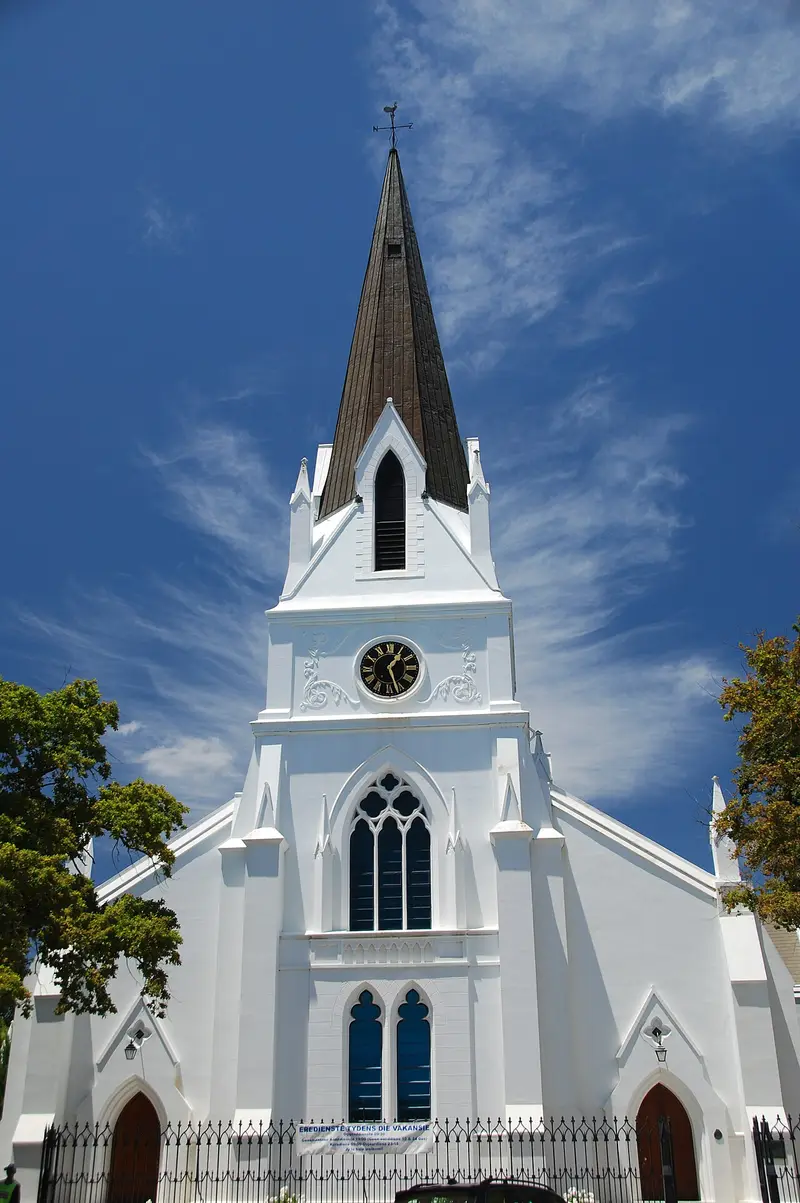
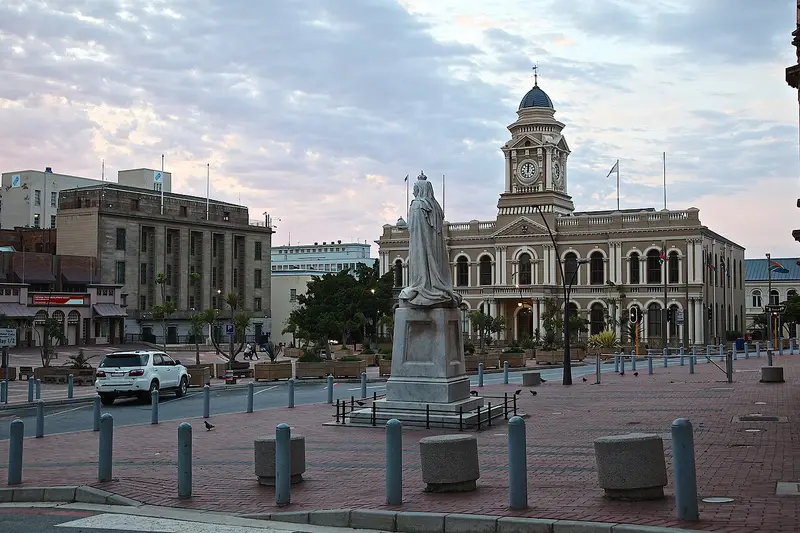
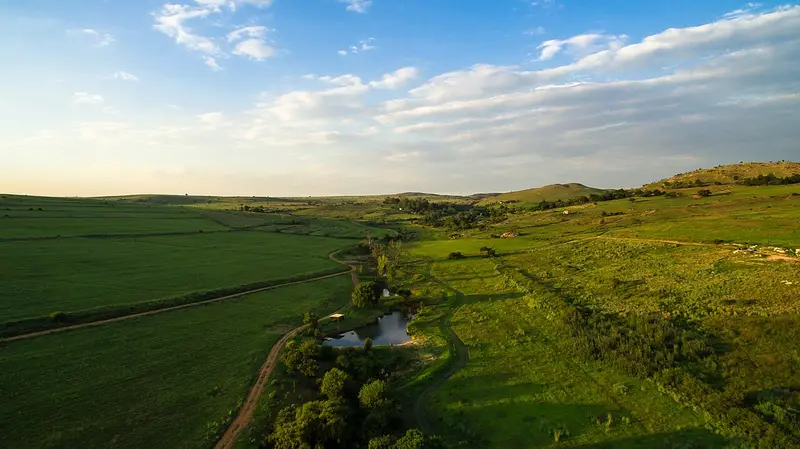
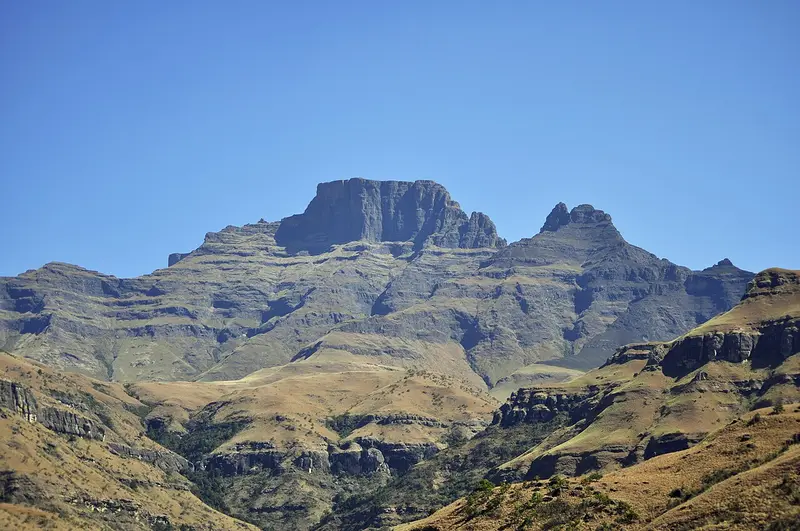
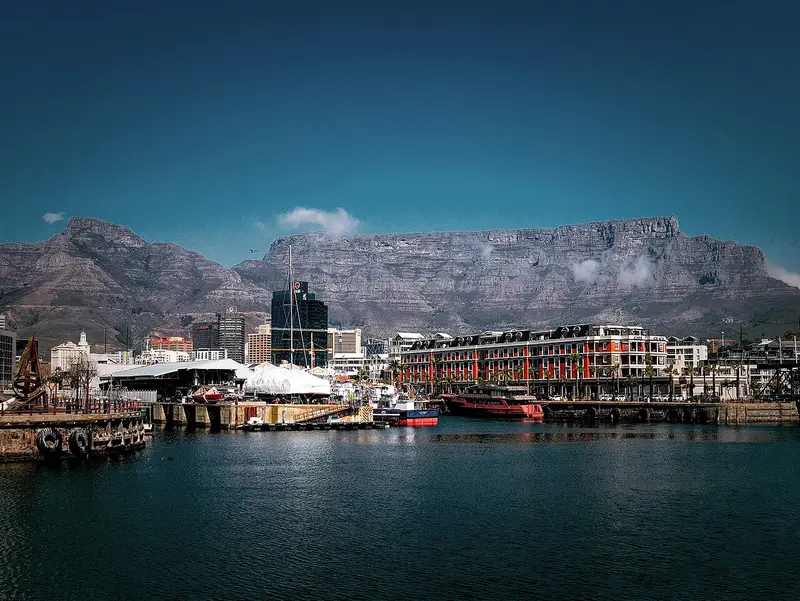 Table Mountain
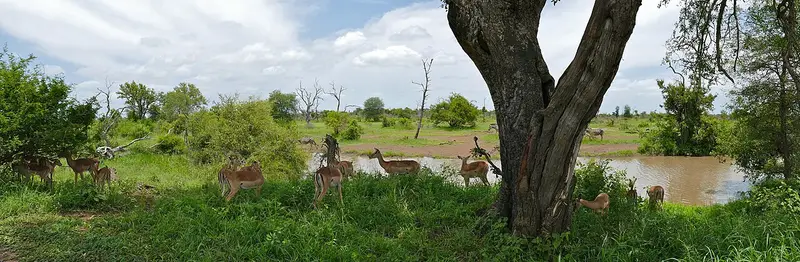 Kruger National Park
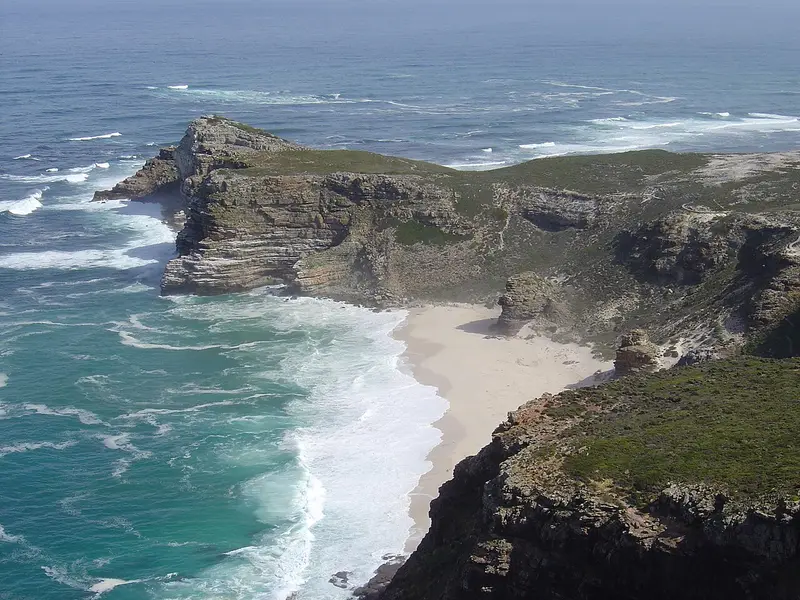 Cape of Good Hope
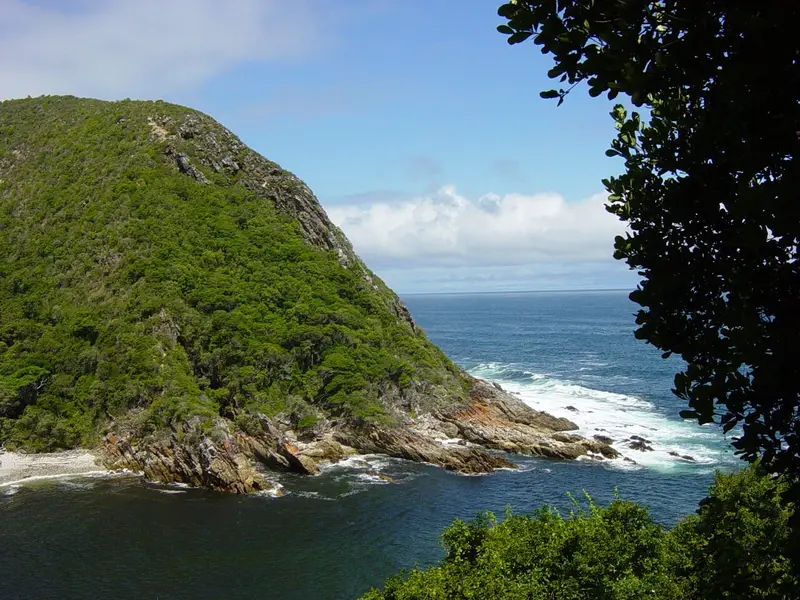 Garden Route National Park
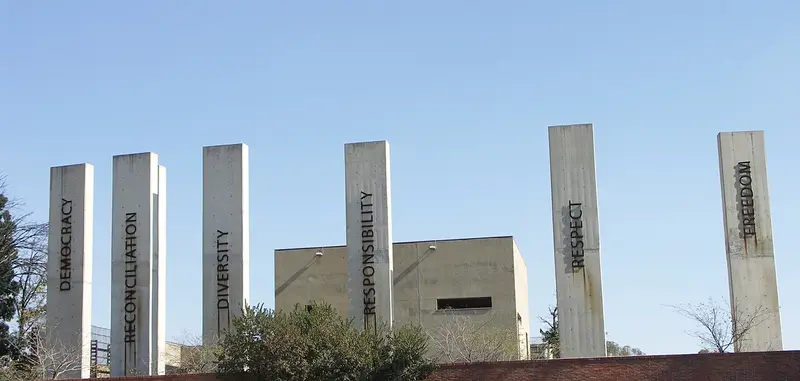 Apartheid Museum
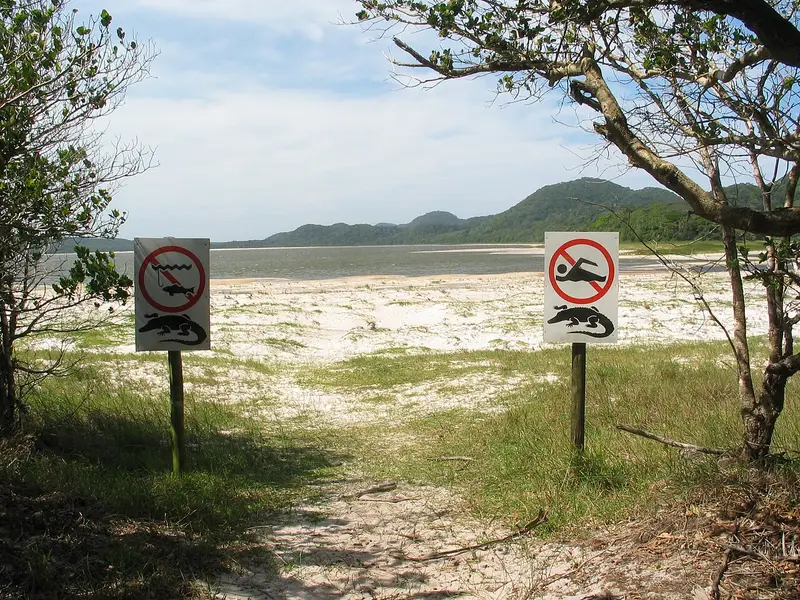 iSimangaliso Wetland ParkUNESCO World Heritage
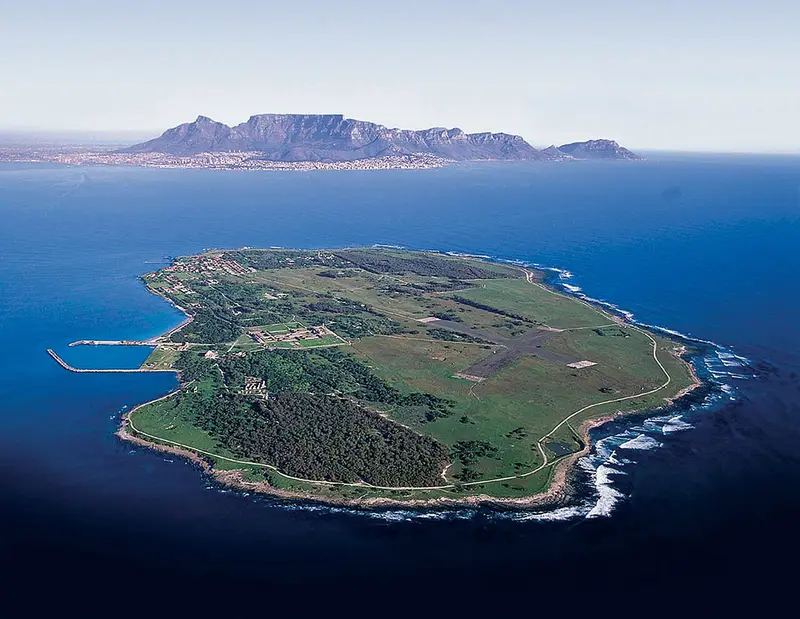 Robben IslandUNESCO World Heritage
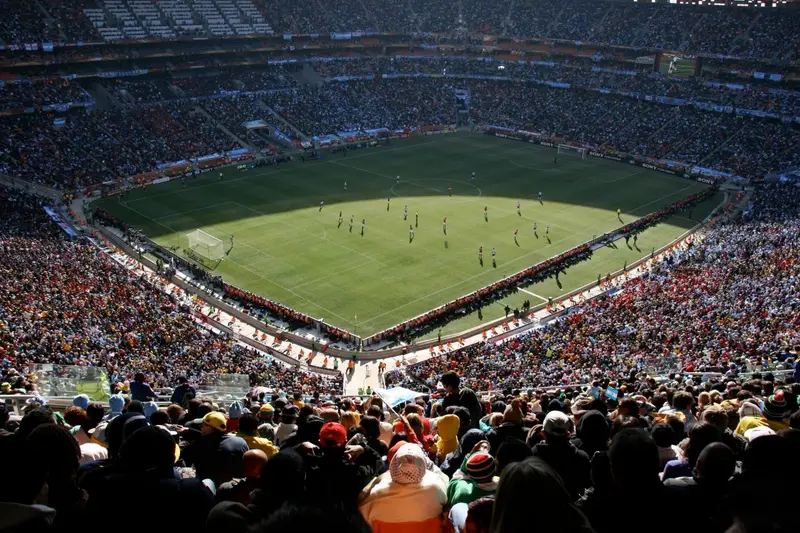 FNB Stadium
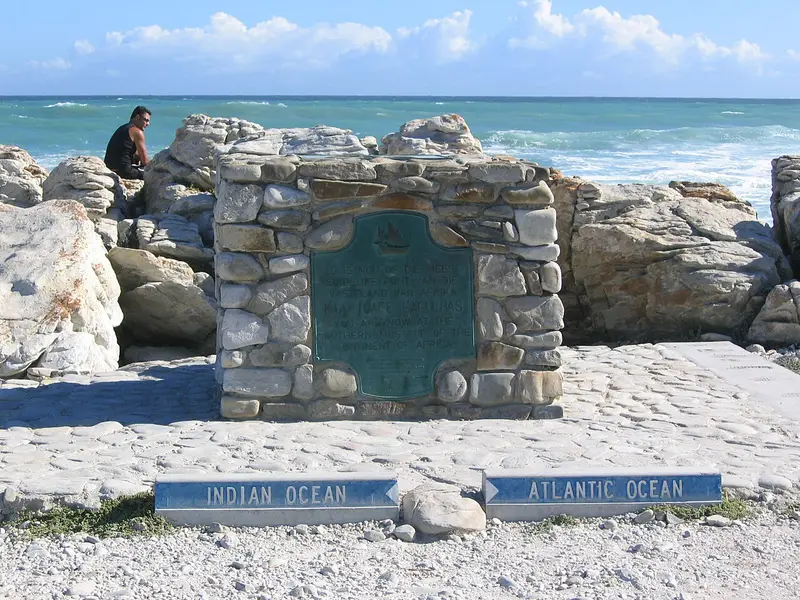 Cape Agulhas
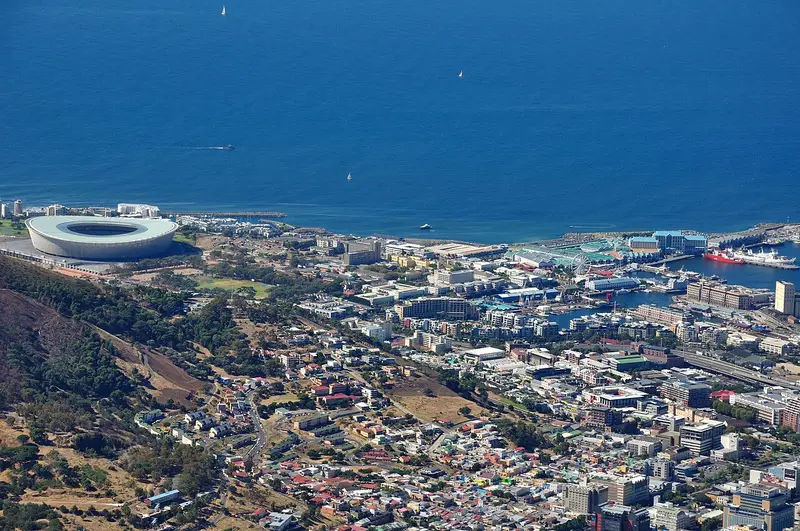 Cape Town Stadium
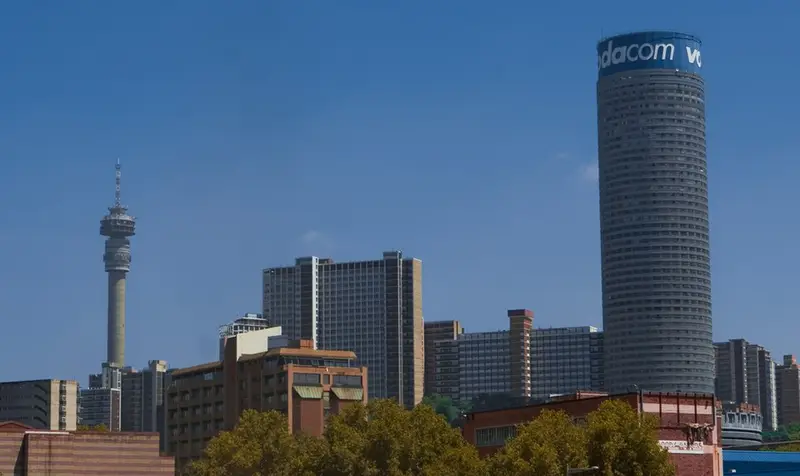 Ponte City
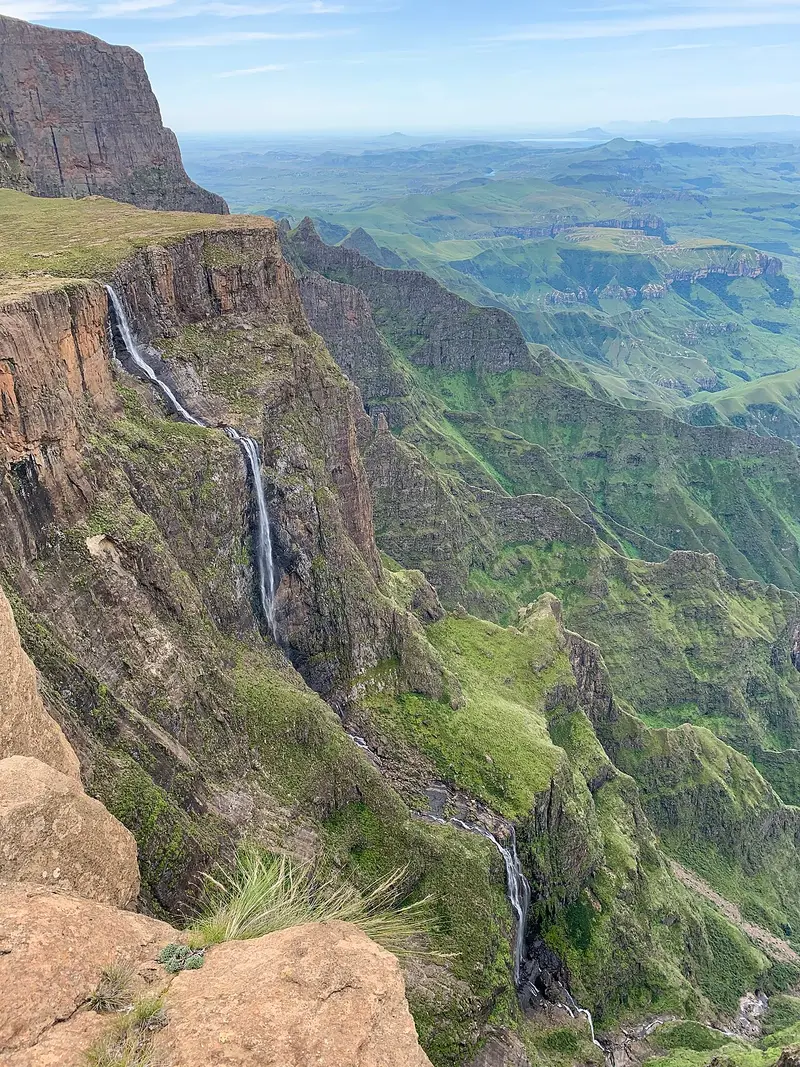 Tugela Falls
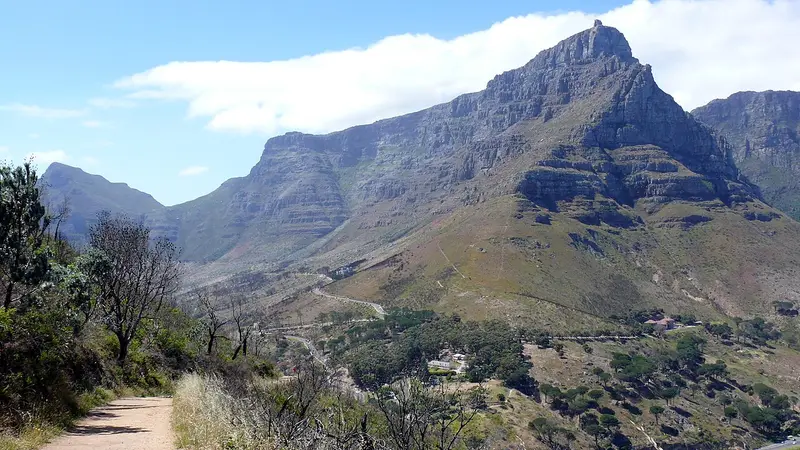 Table Mountain National ParkUNESCO World Heritage
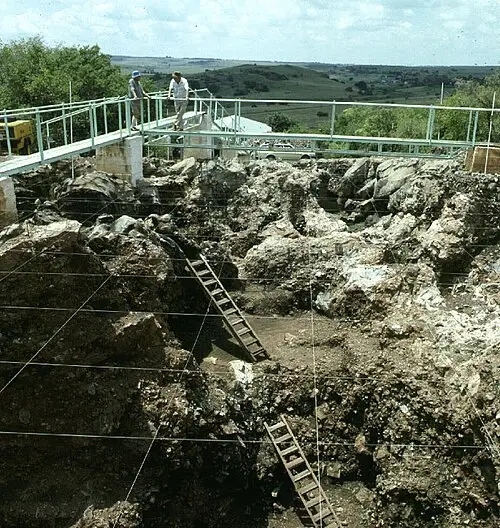 Sterkfontein
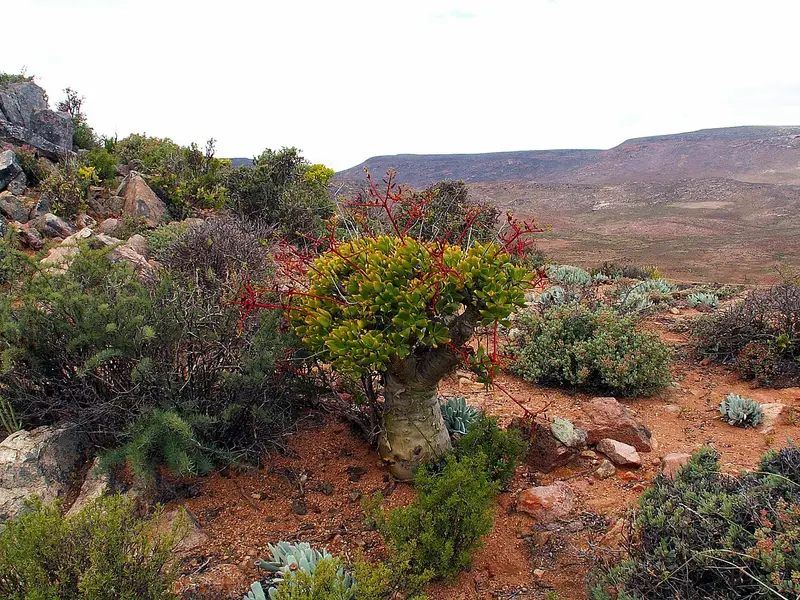 RichtersveldUNESCO World Heritage
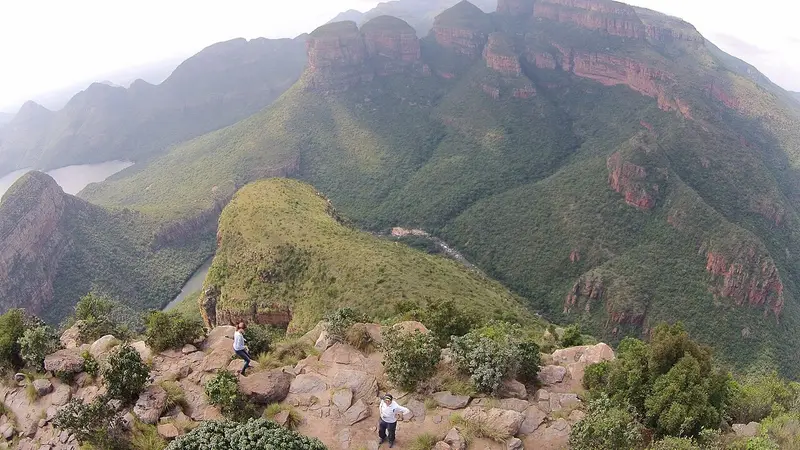 Blyde River Canyon
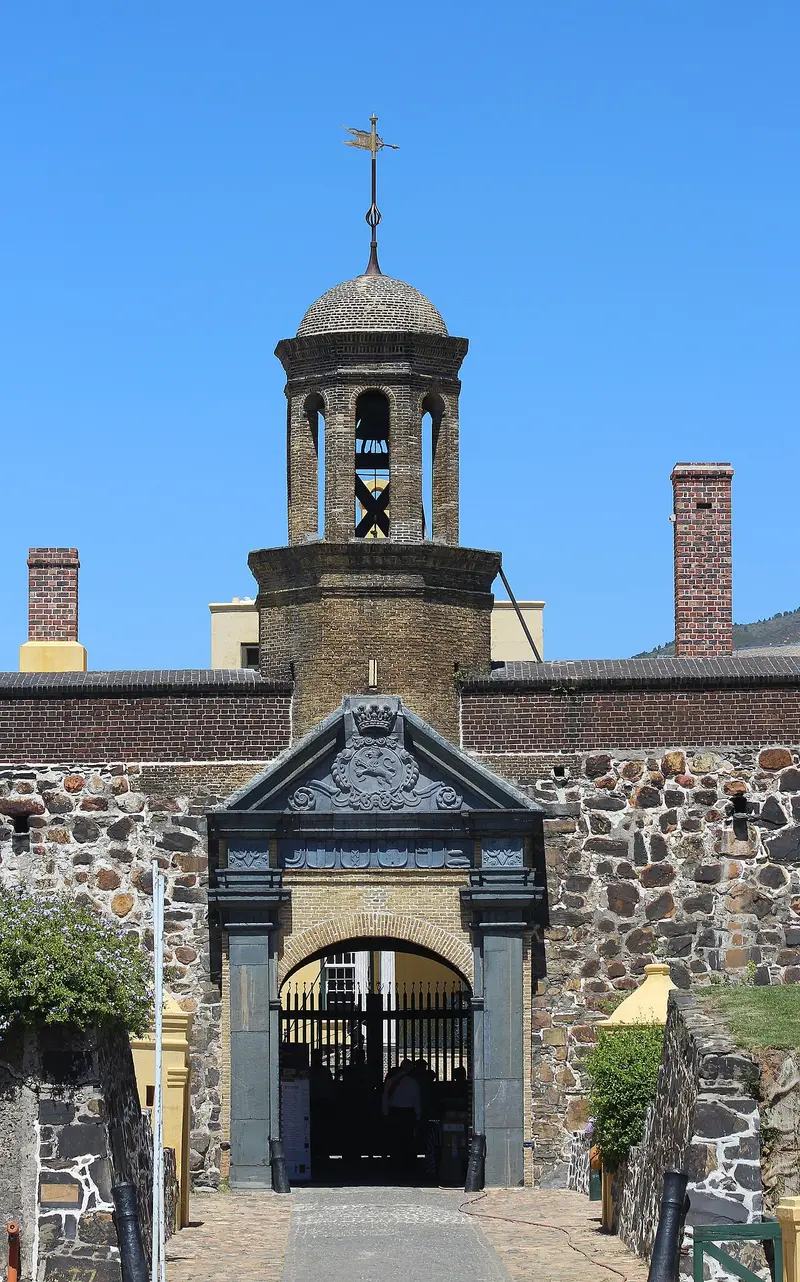 Castle of Good Hope
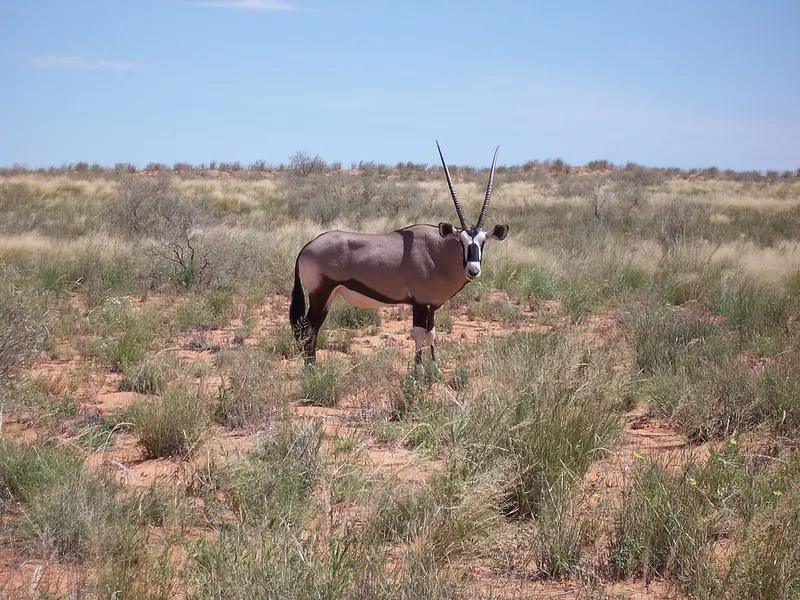 Kgalagadi Transfrontier Park
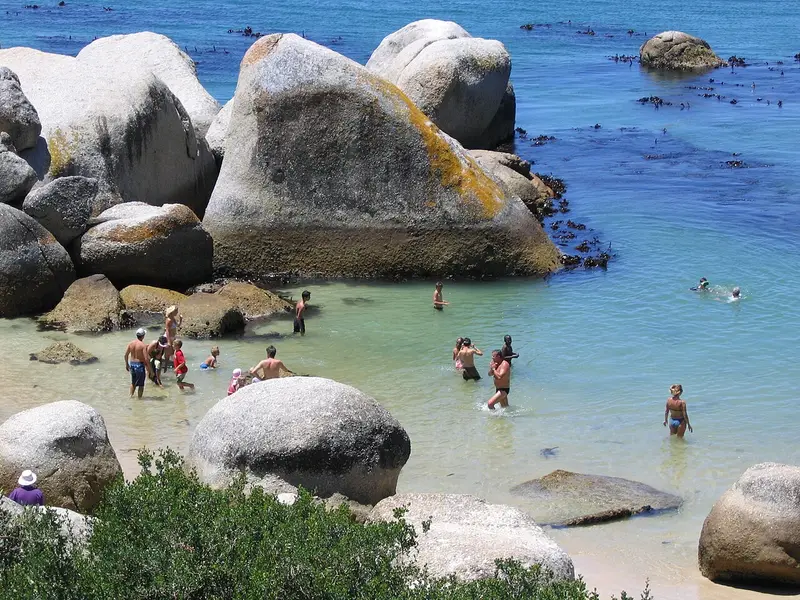 Boulders Beach
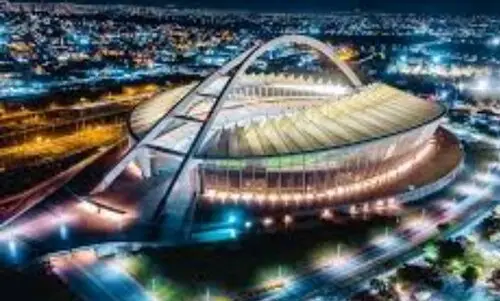 Moses Mabhida Stadium
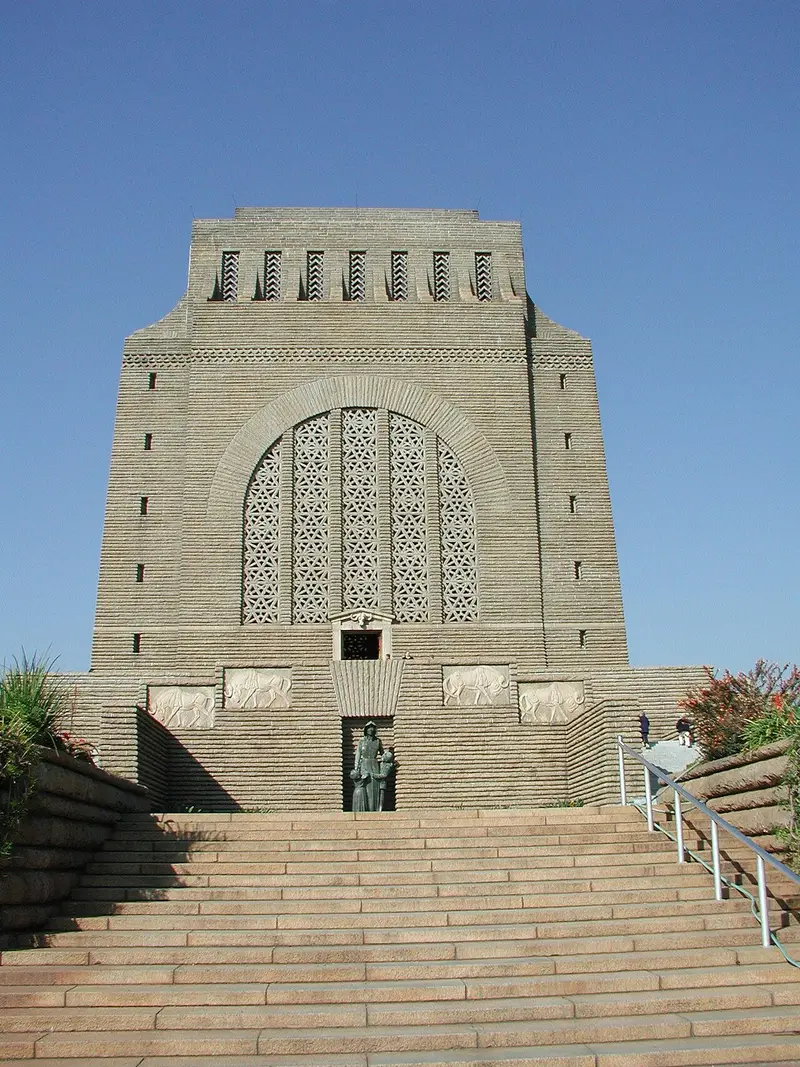 Voortrekker Monument
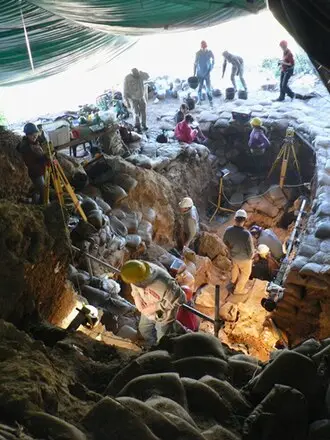 Pinnacle PointUNESCO World Heritage
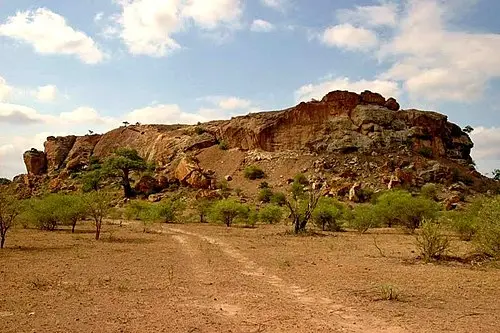 Mapungubwe National ParkUNESCO World Heritage
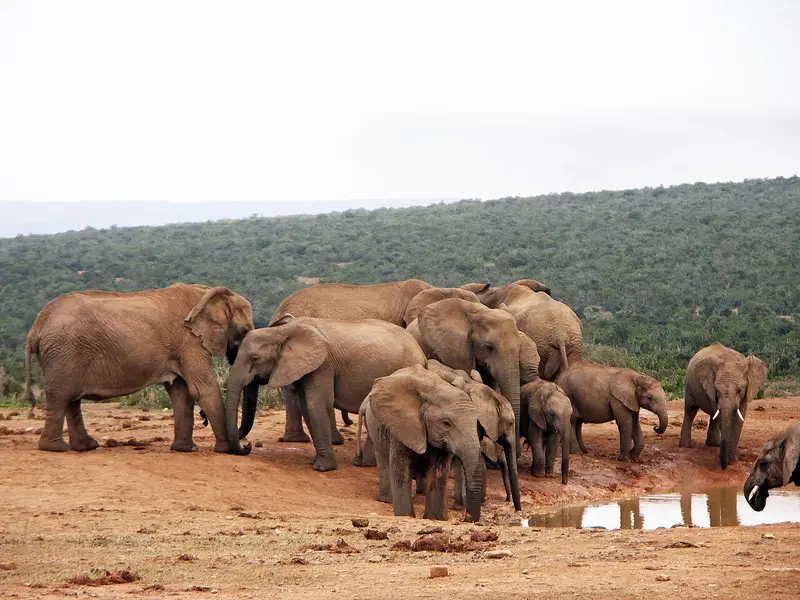 Addo Elephant National Park
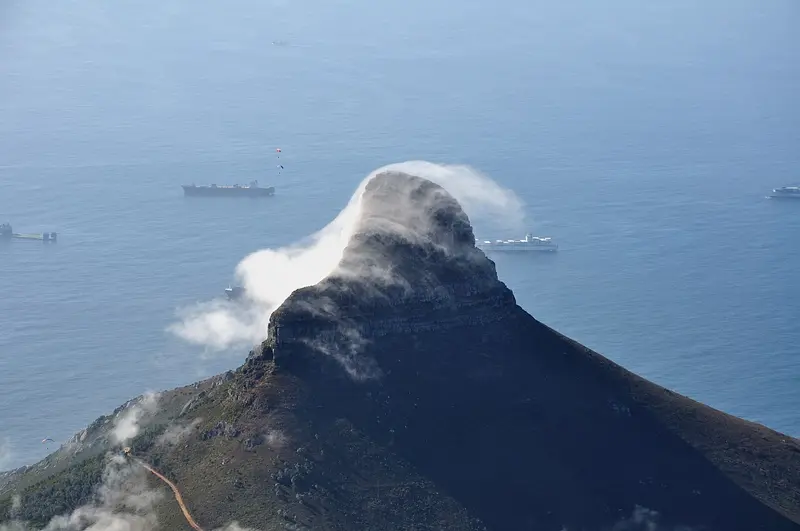 Lion's Head
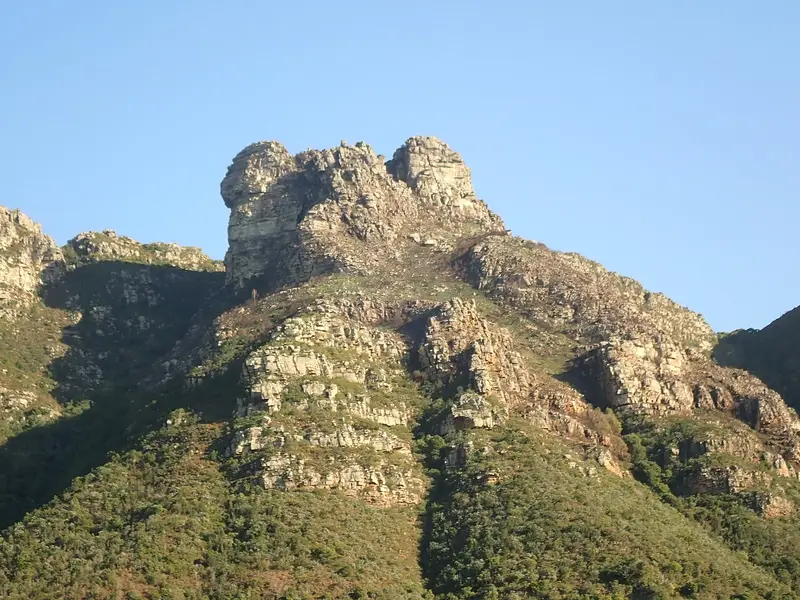 Kirstenbosch National Botanical Garden
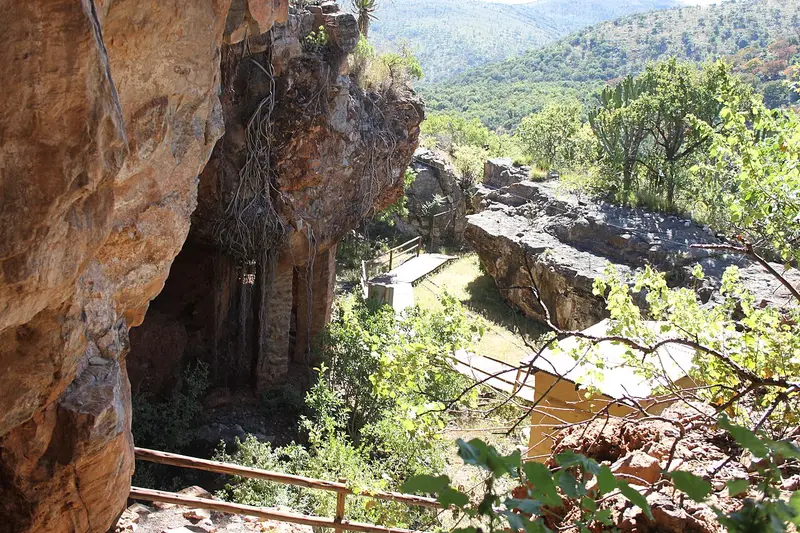 MakapansgatUNESCO World Heritage
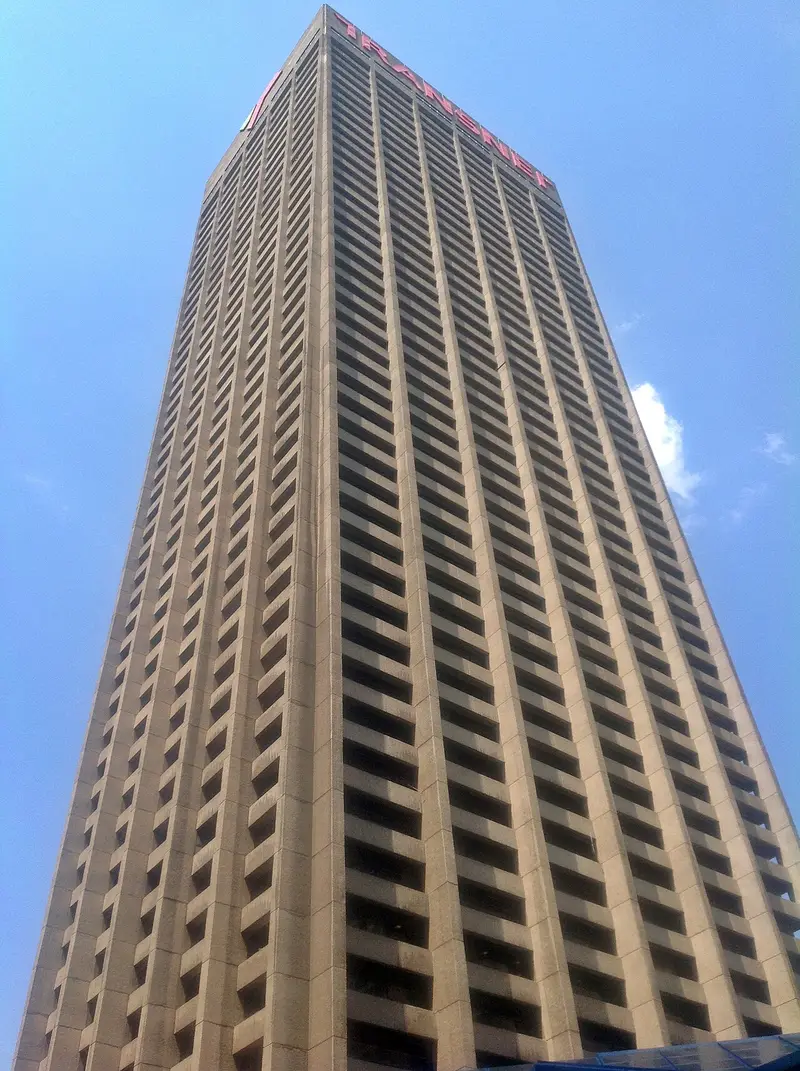 Carlton Centre
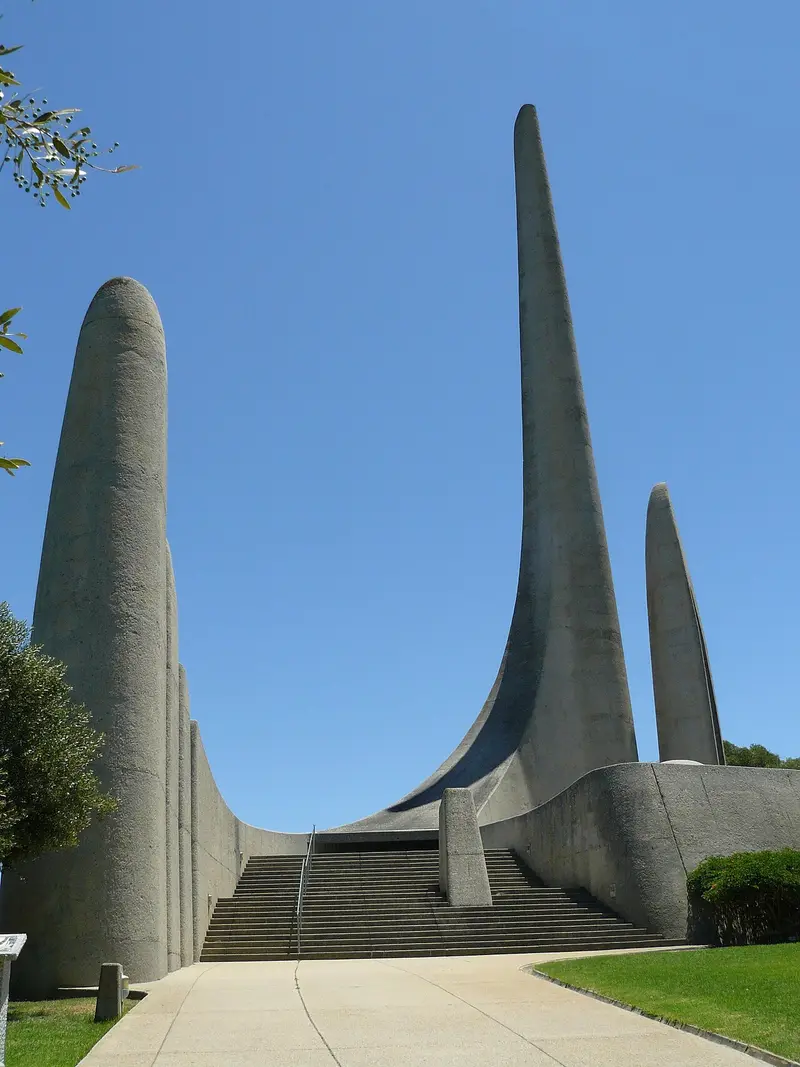 Afrikaans Language Monument
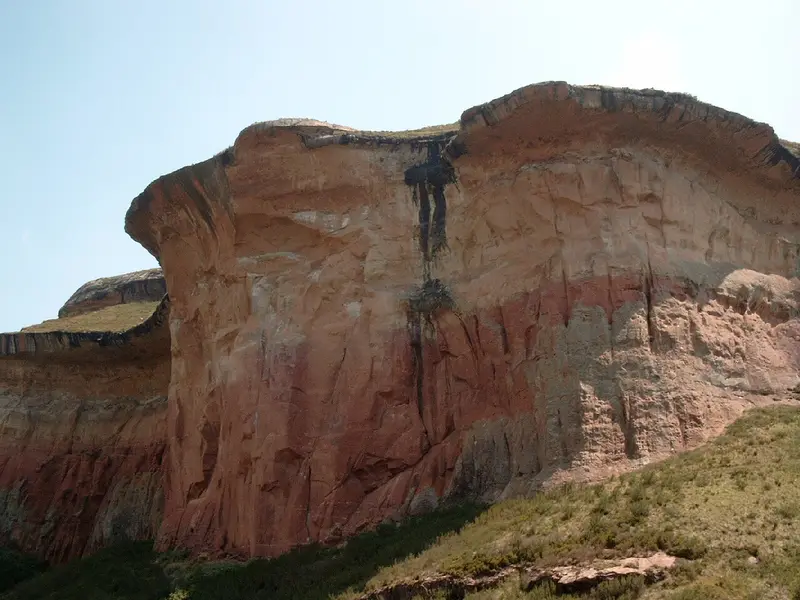 Golden Gate Highlands National Park
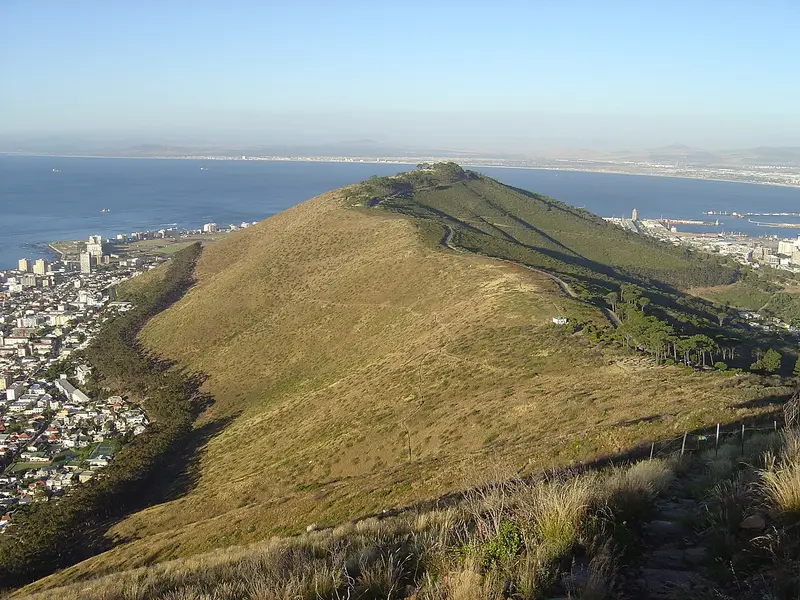 Signal Hill
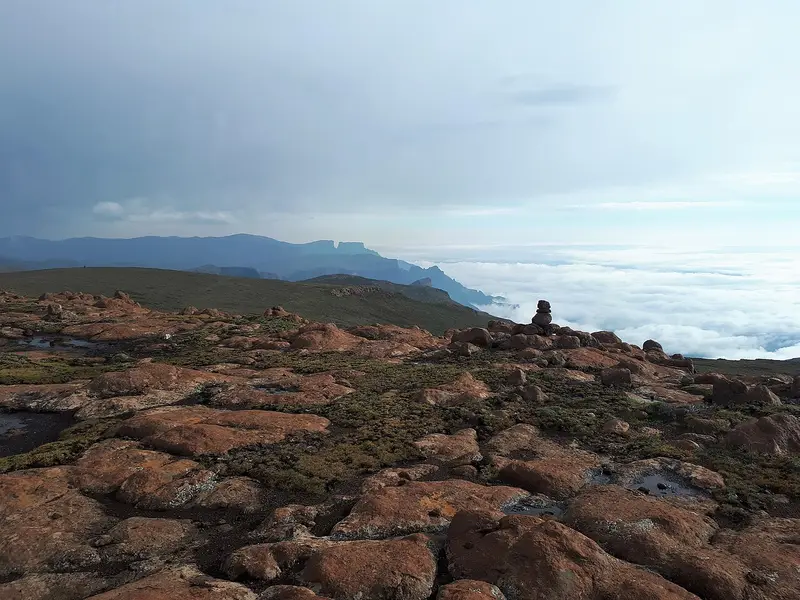 Mafadi
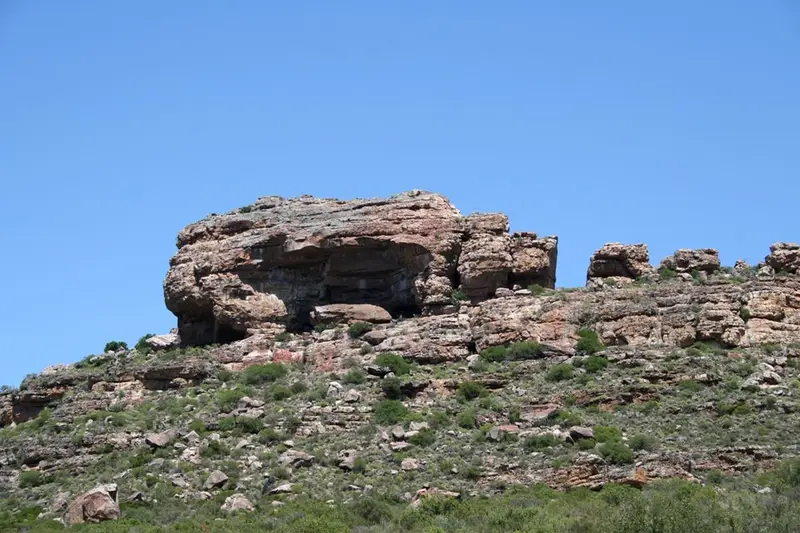 Diepkloof Rock ShelterUNESCO World Heritage
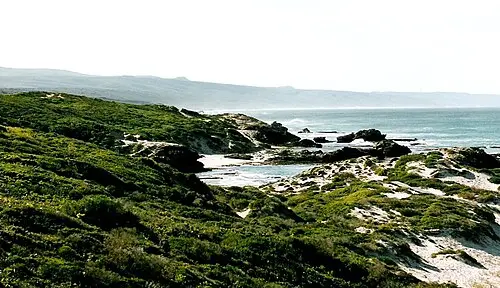 De Hoop Nature ReserveUNESCO World Heritage
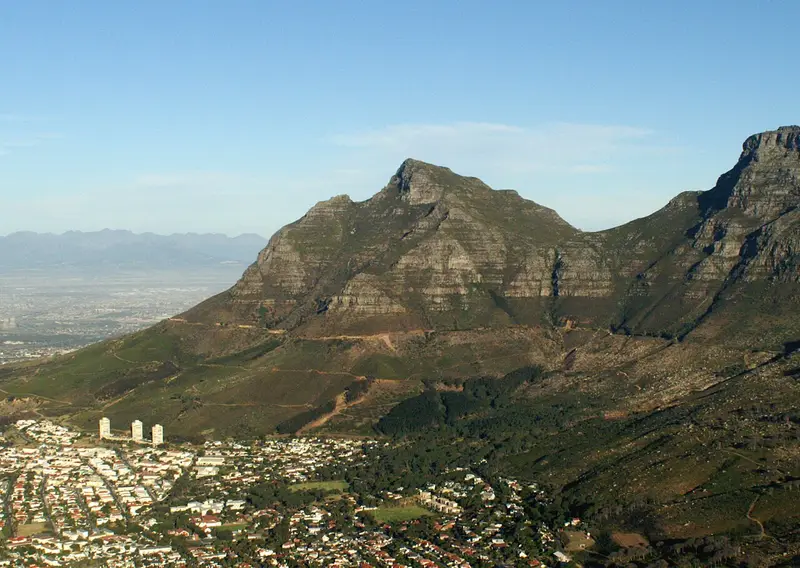 Devil's Peak
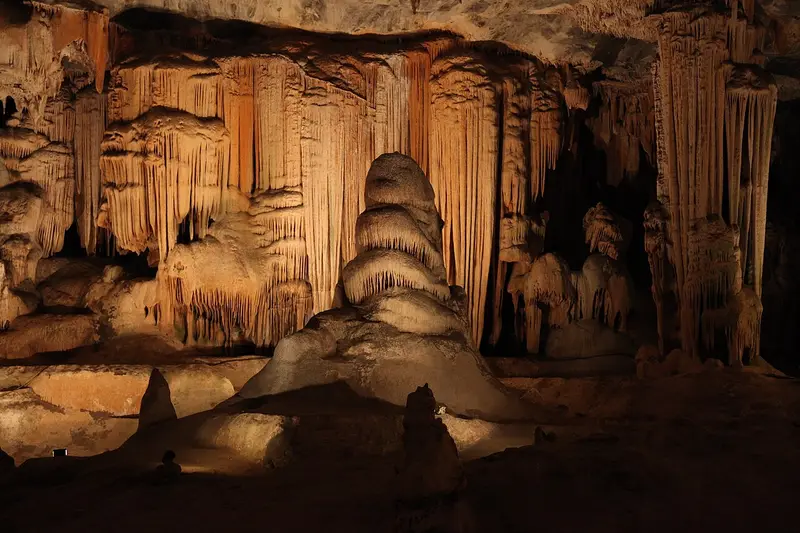 Cango Caves
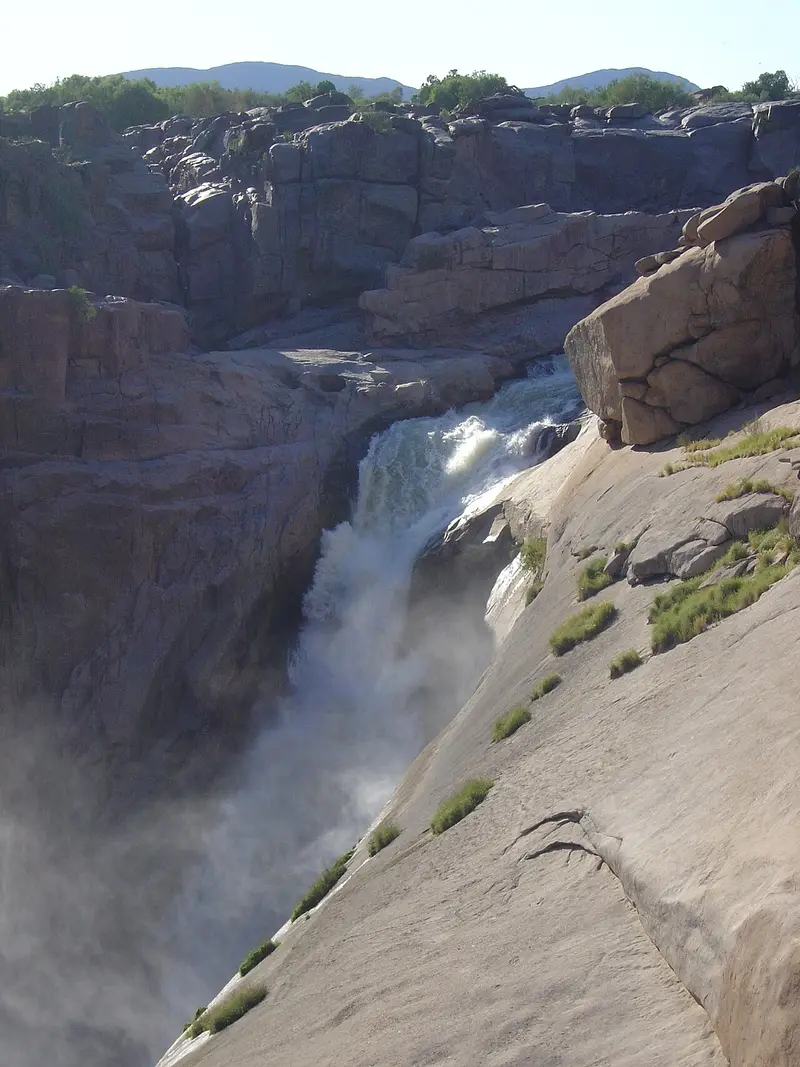 Augrabies Falls
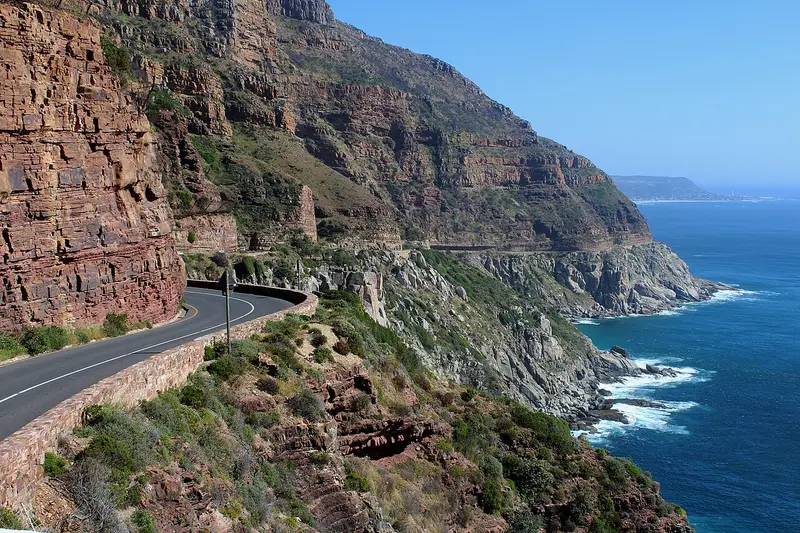 Chapman's Peak
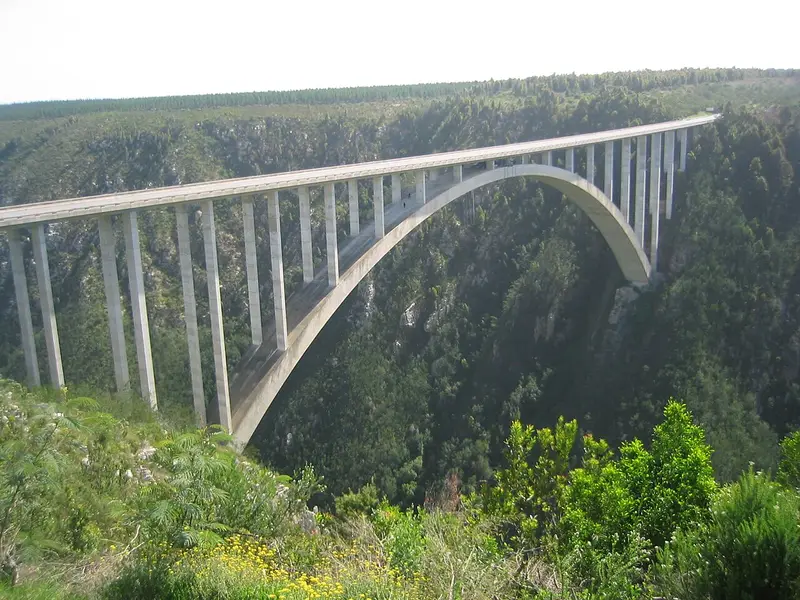 Bloukrans Bridge
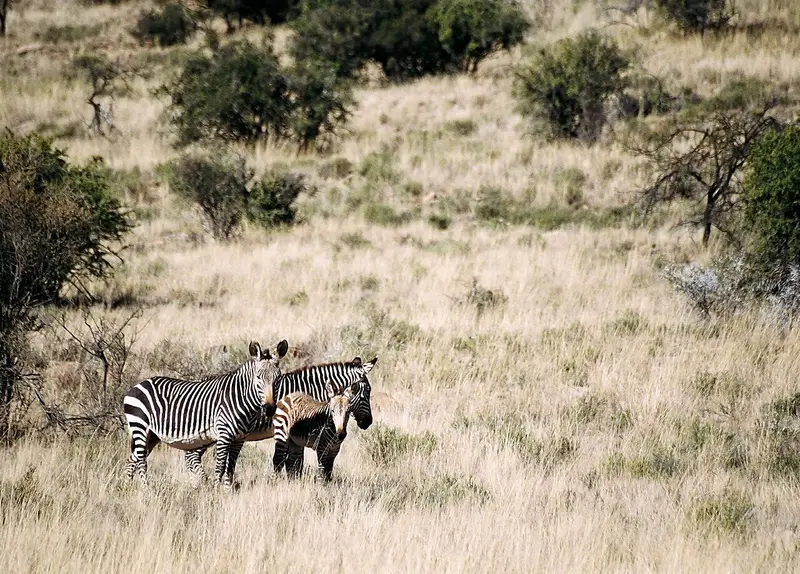 Mountain Zebra National Park
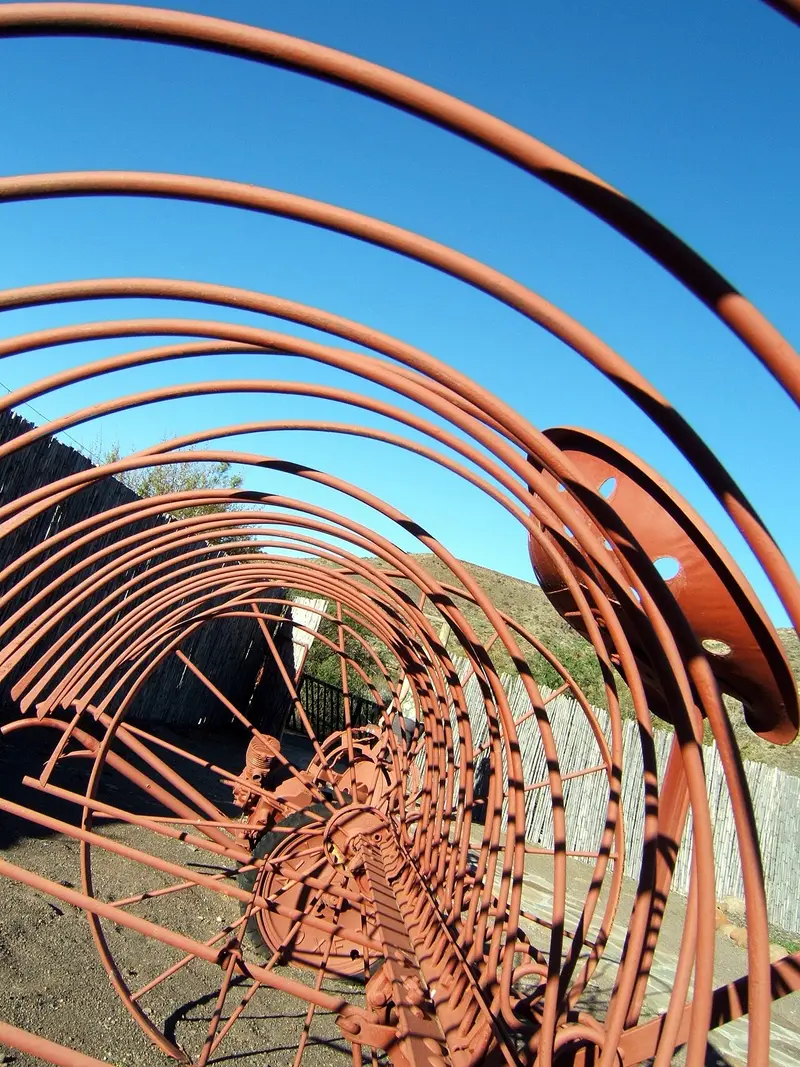 Karoo National Park
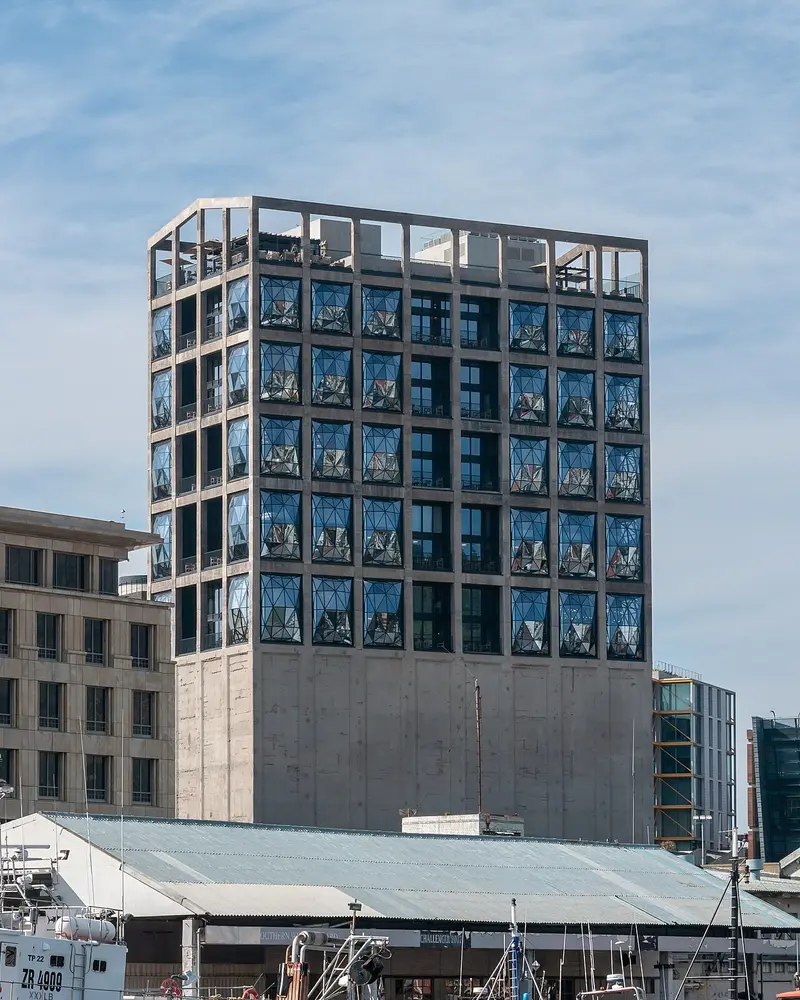 Zeitz Museum of Contemporary Art Africa
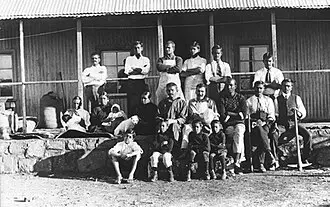 Tolstoy Farm
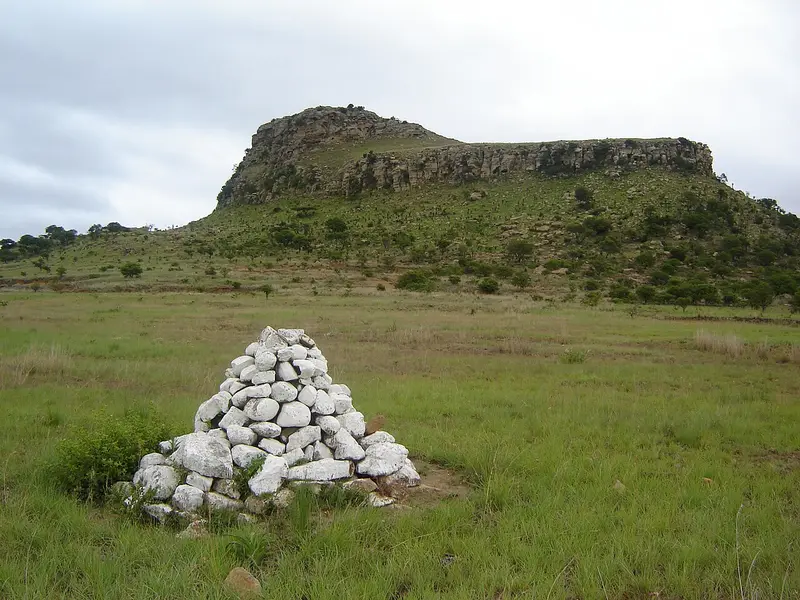 Isandlwana
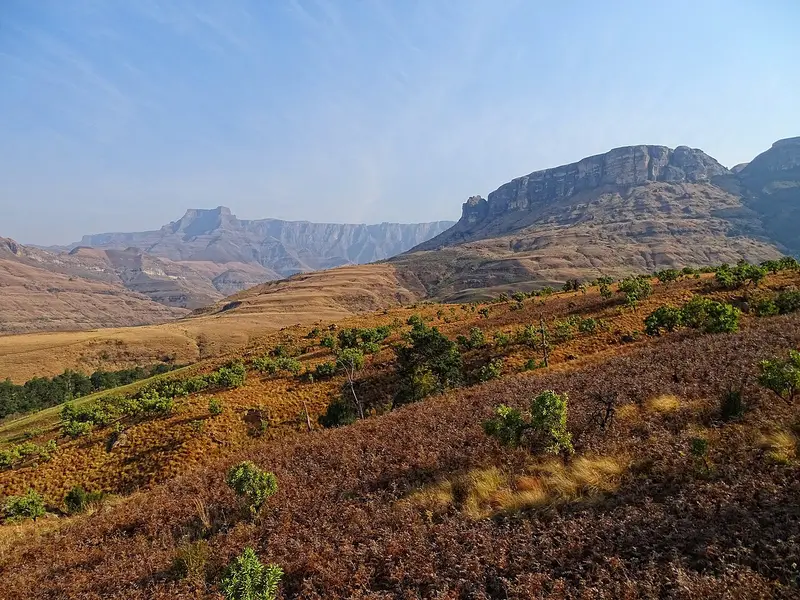 Royal Natal National Park
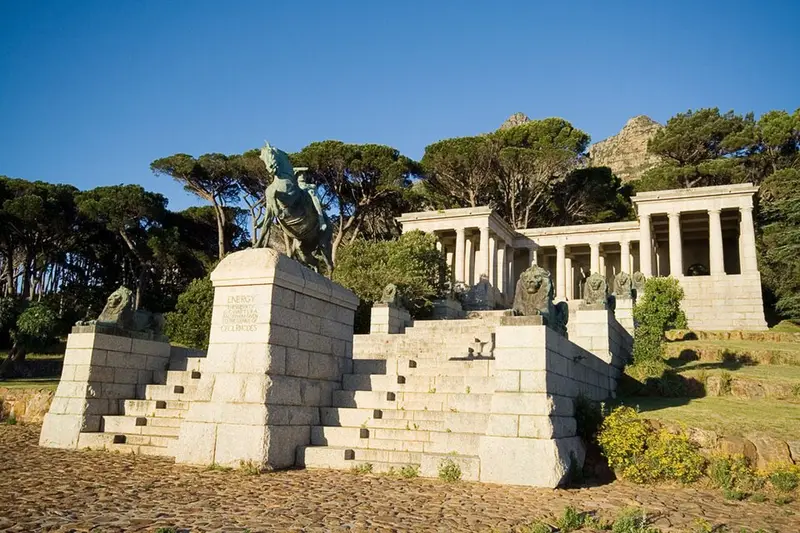 Rhodes Memorial
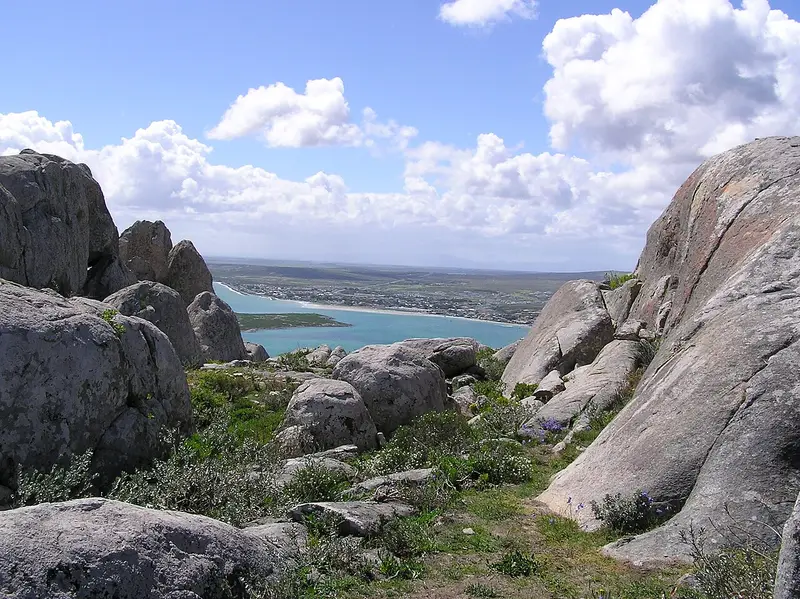 West Coast National Park
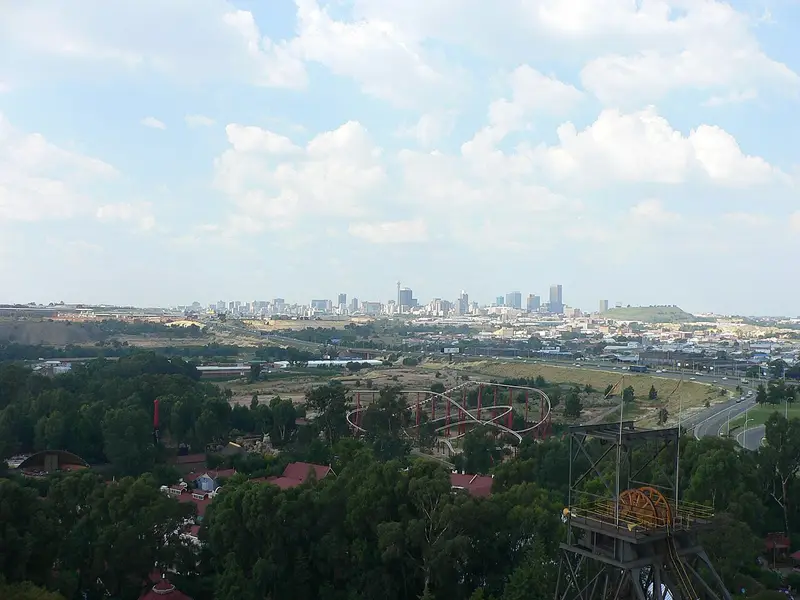 Gold Reef City
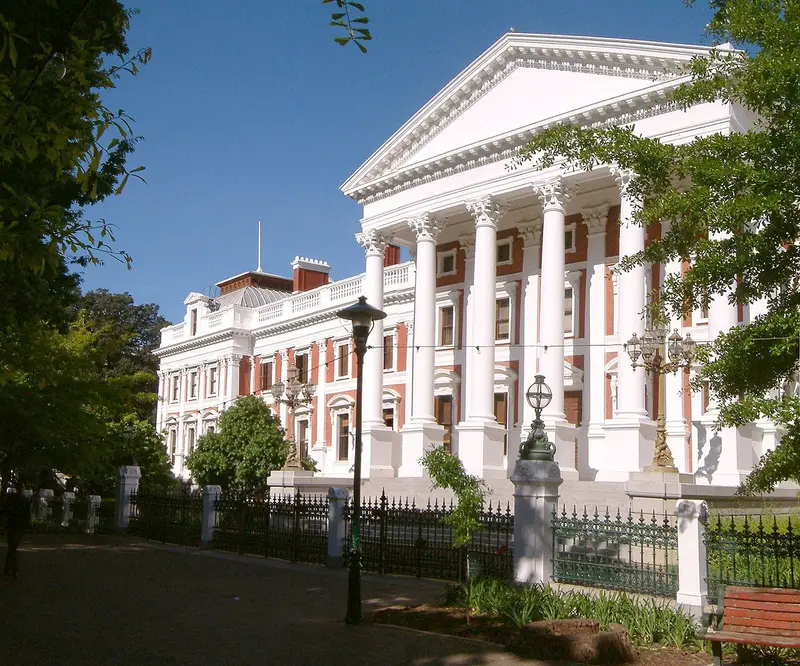 Houses of Parliament, Cape Town
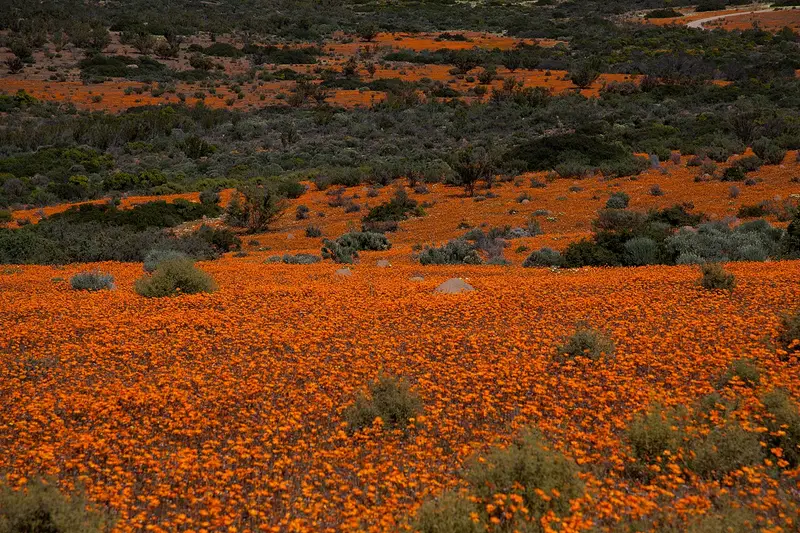 Namaqua National Park
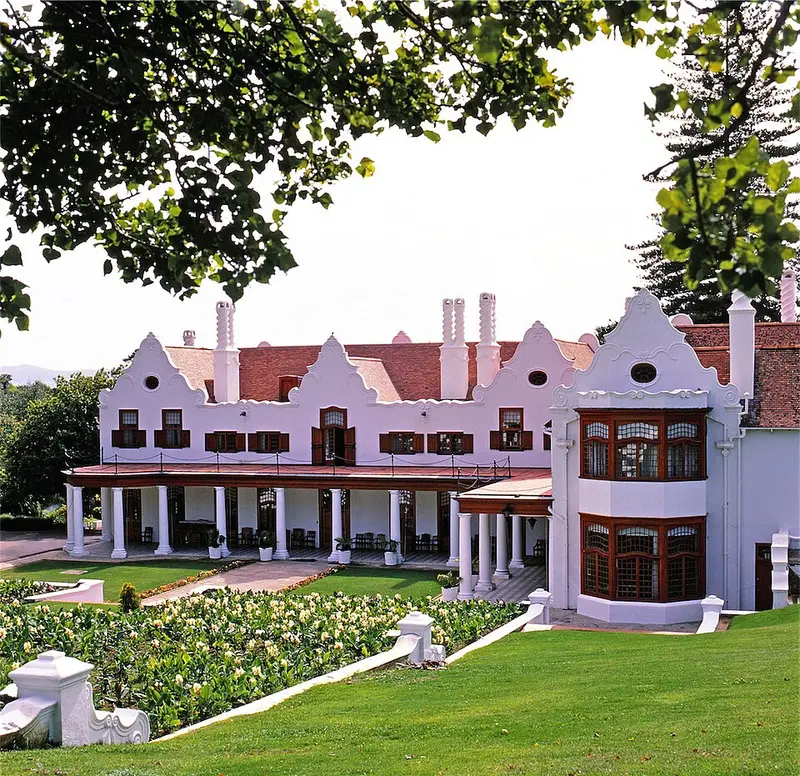 Groote Schuur
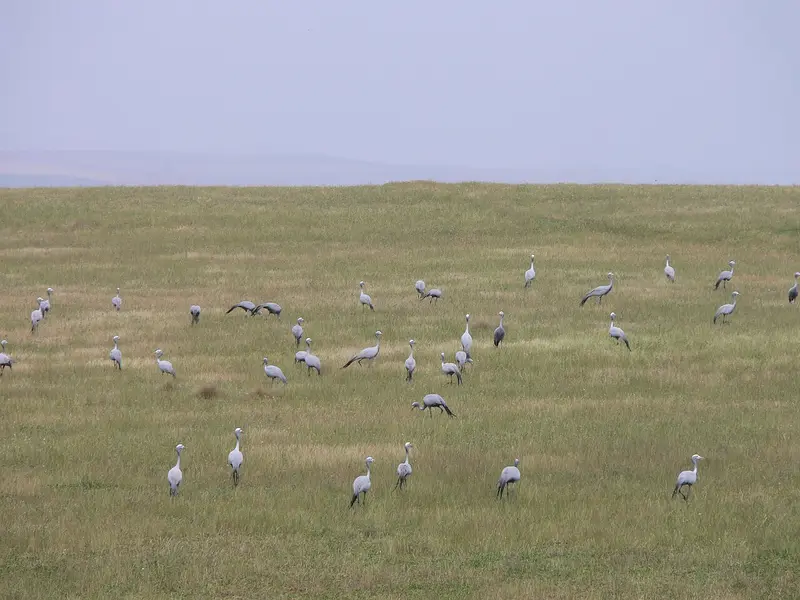 Bontebok National Park
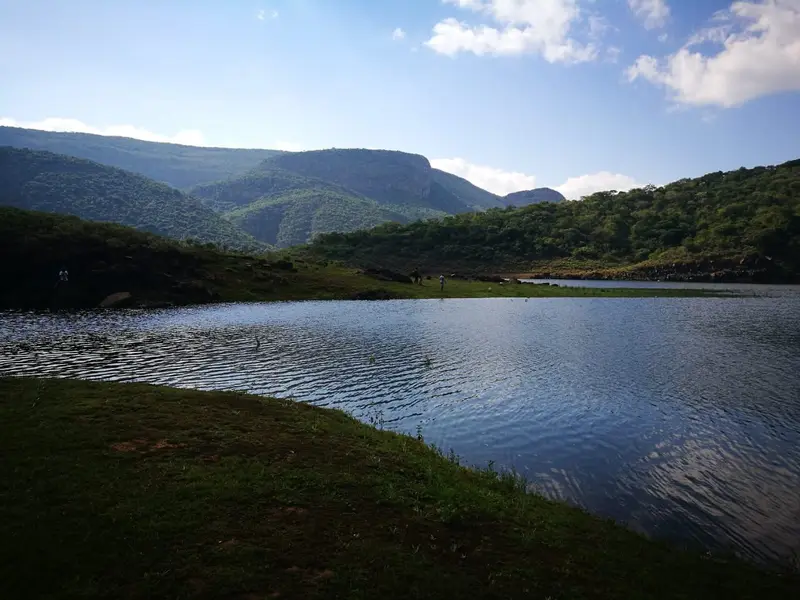 Lake Fundudzi
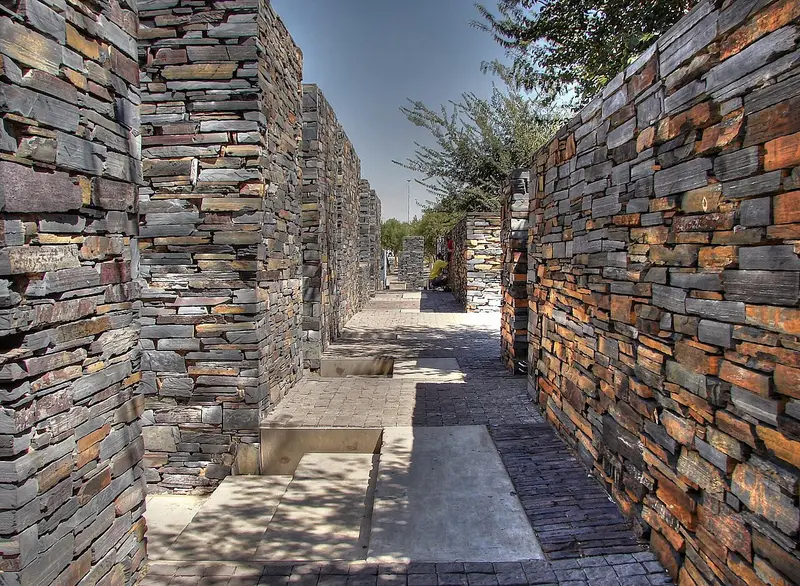 Hector Pieterson MuseumUNESCO World Heritage
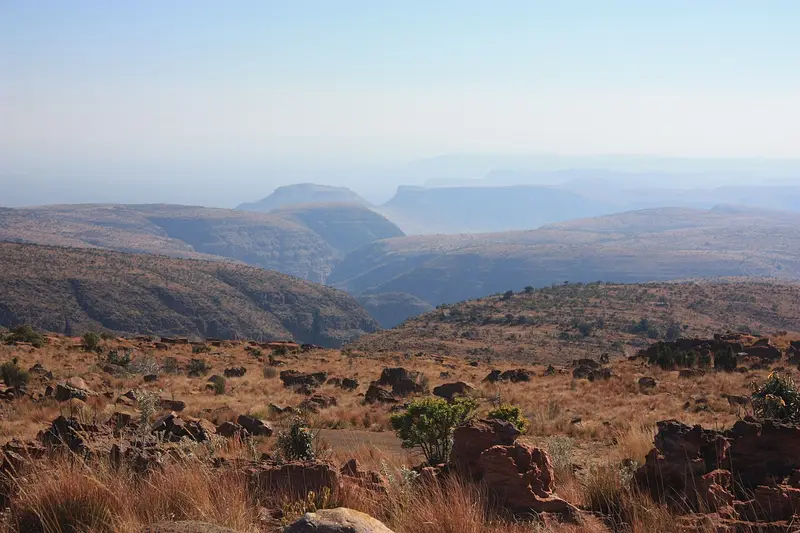 Marakele National Park
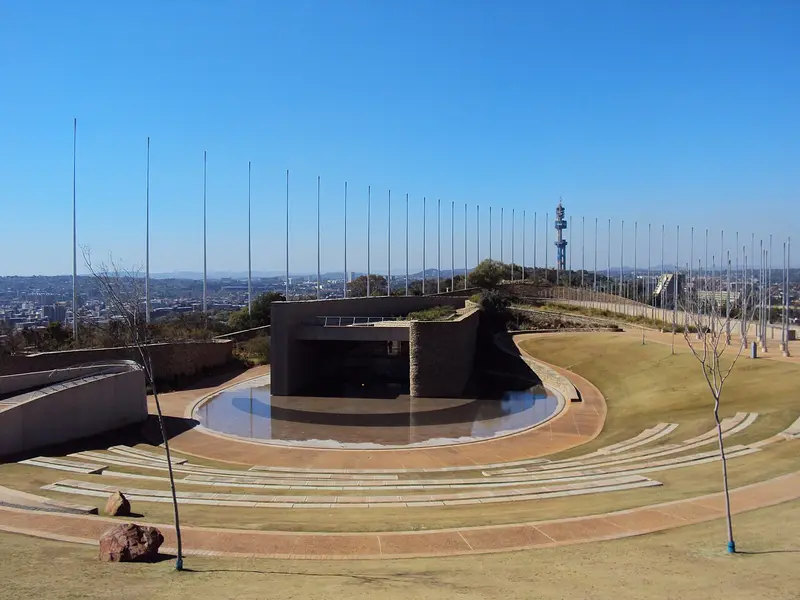 Freedom ParkUNESCO World Heritage
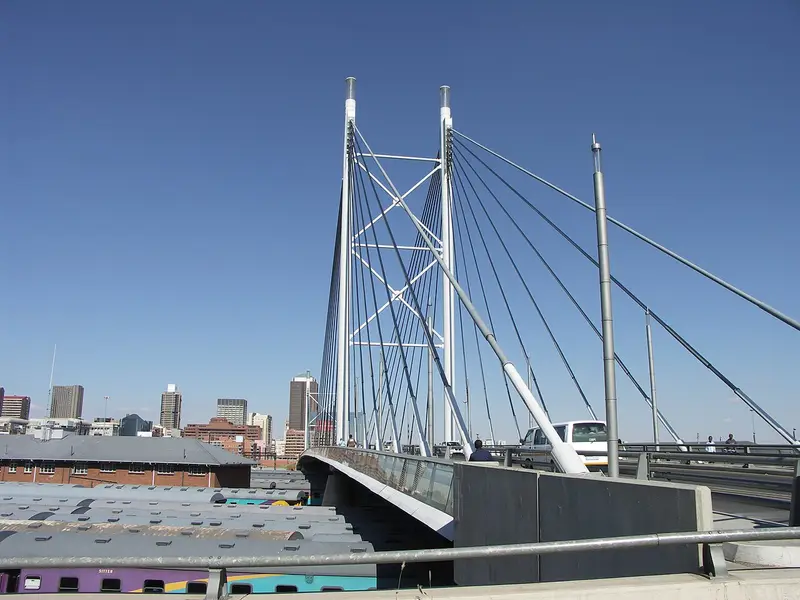 Nelson Mandela Bridge
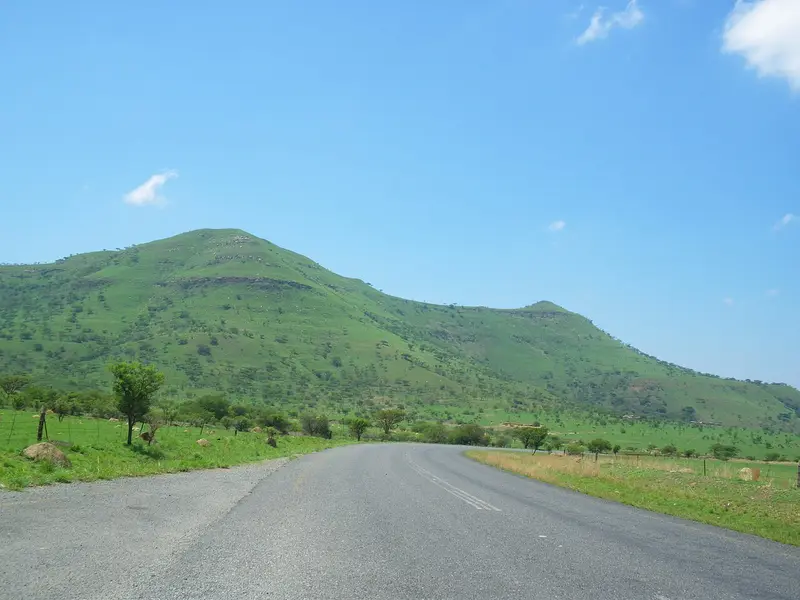 Spion Kop
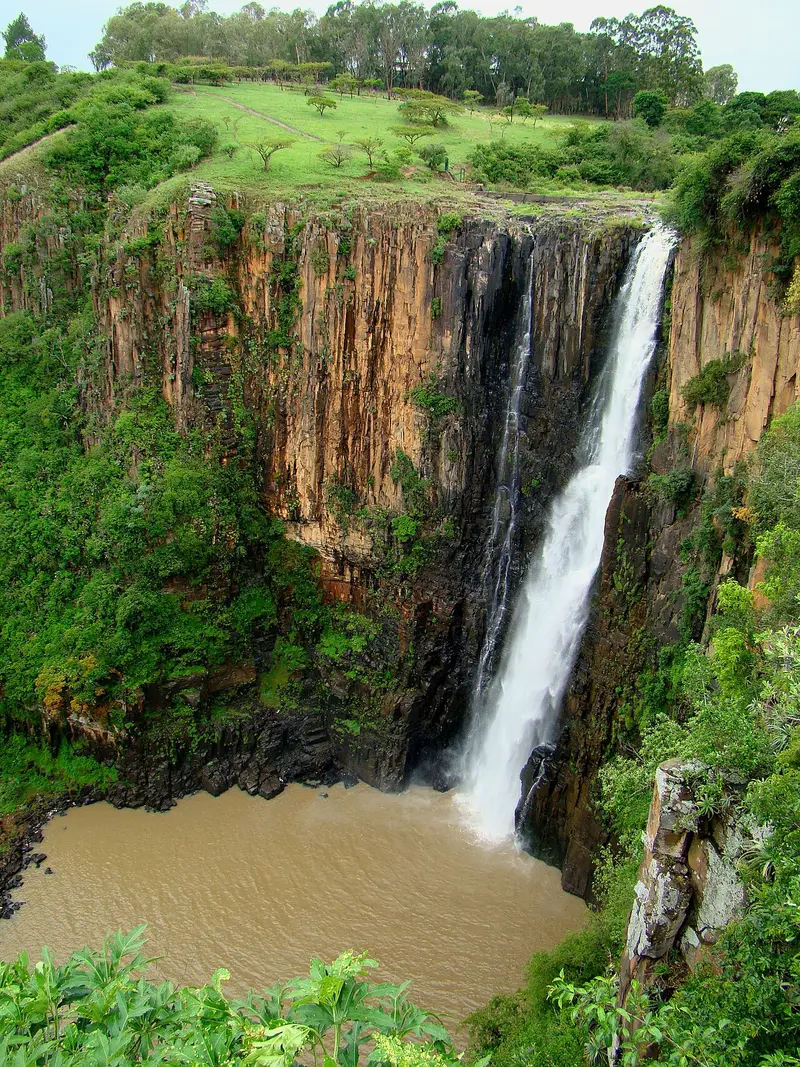 Howick Falls
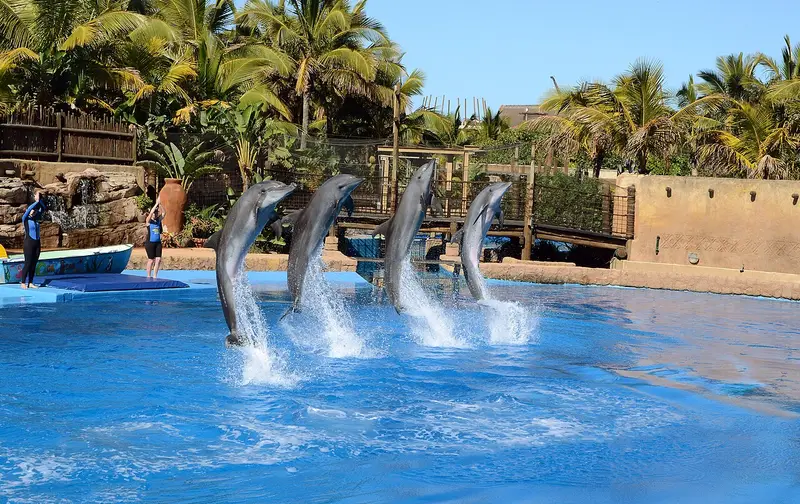 uShaka Marine World
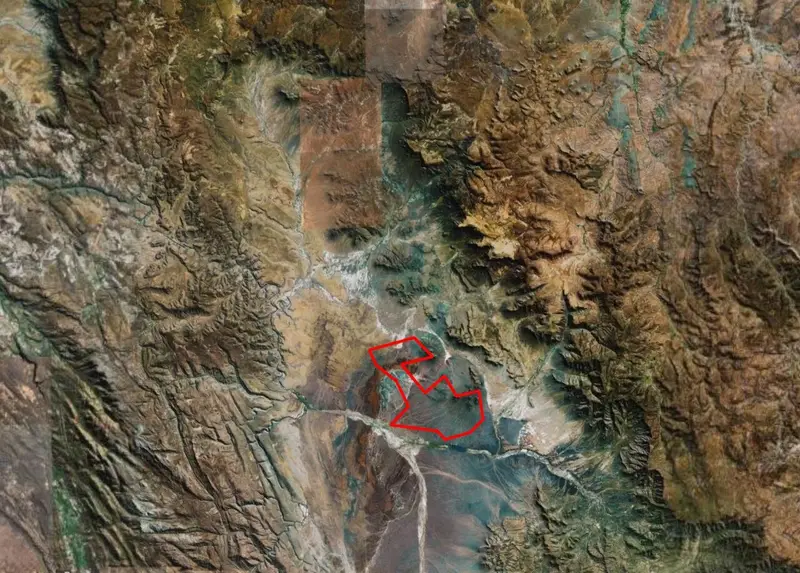 Tankwa Karoo National Park
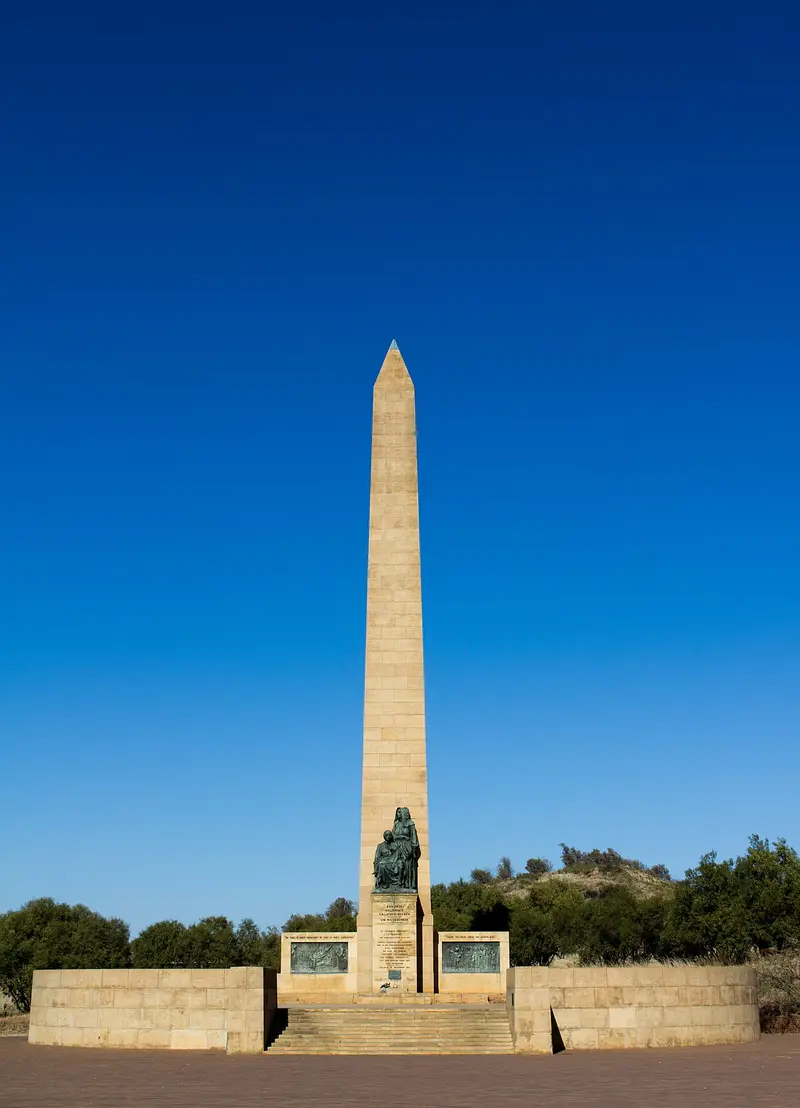 National Women's Monument
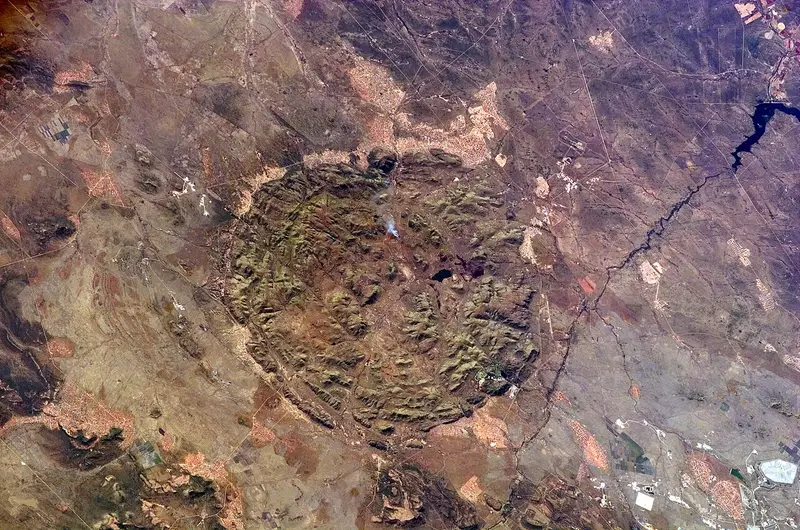 Pilanesberg
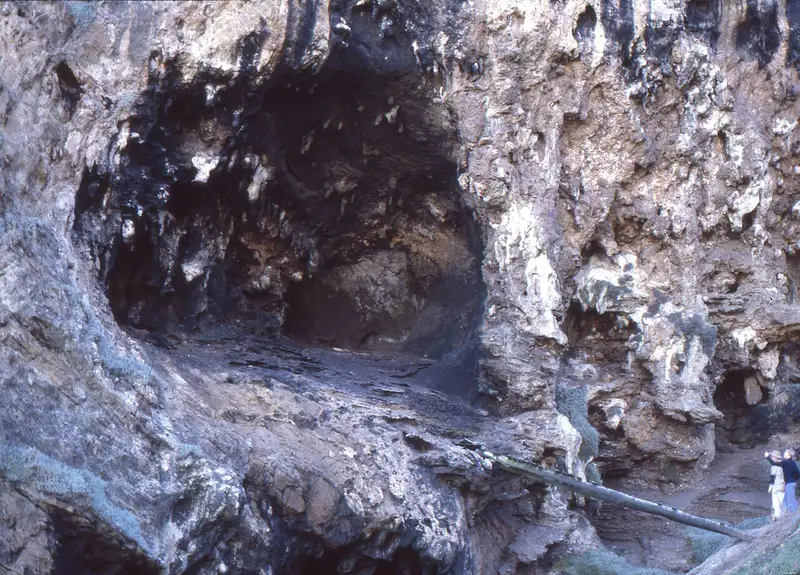 Klasies River Caves
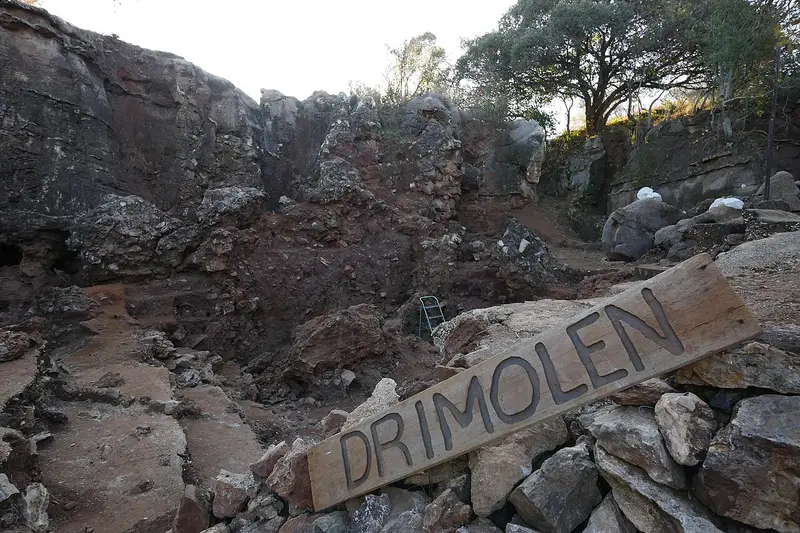 Drimolen
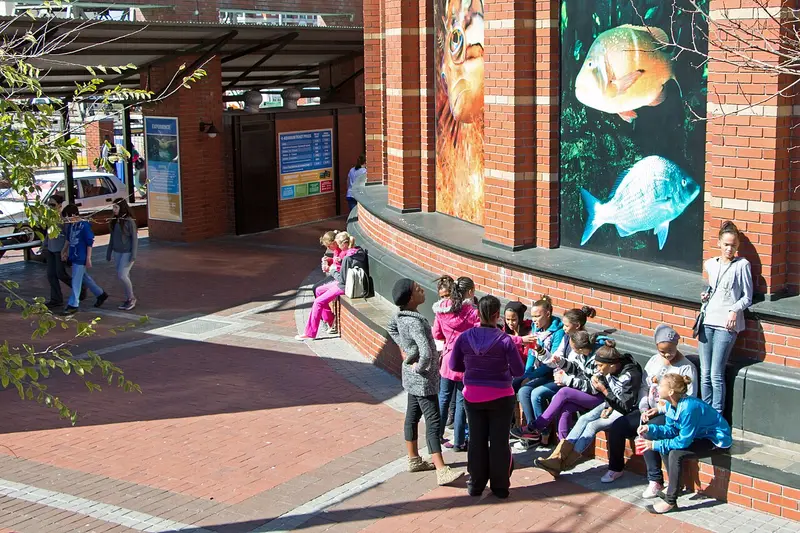 Two Oceans Aquarium
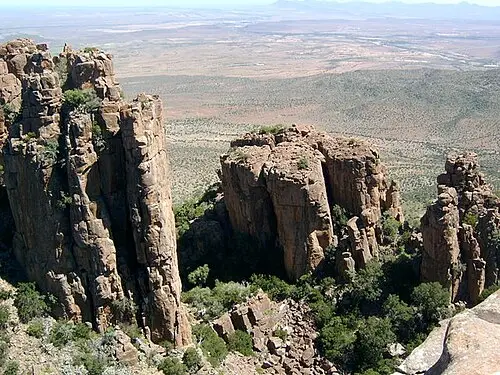 Camdeboo National Park
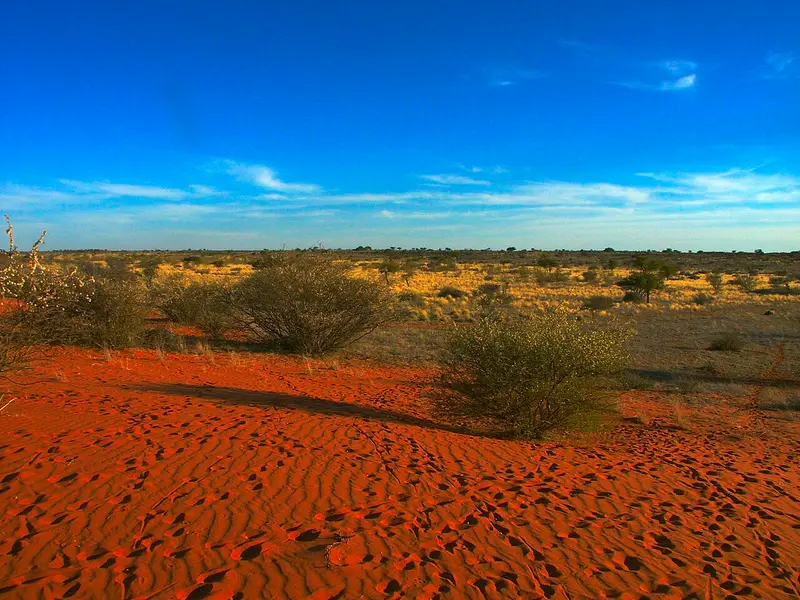 Mokala National Park
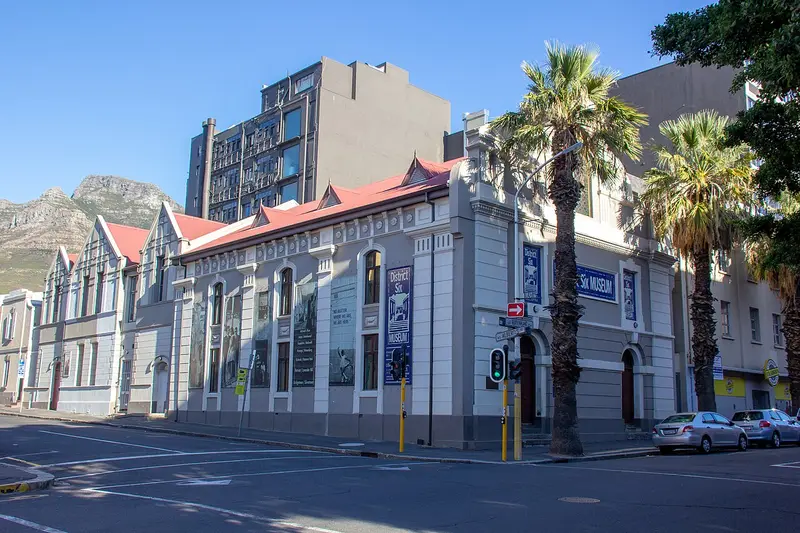 District Six MuseumUNESCO World Heritage
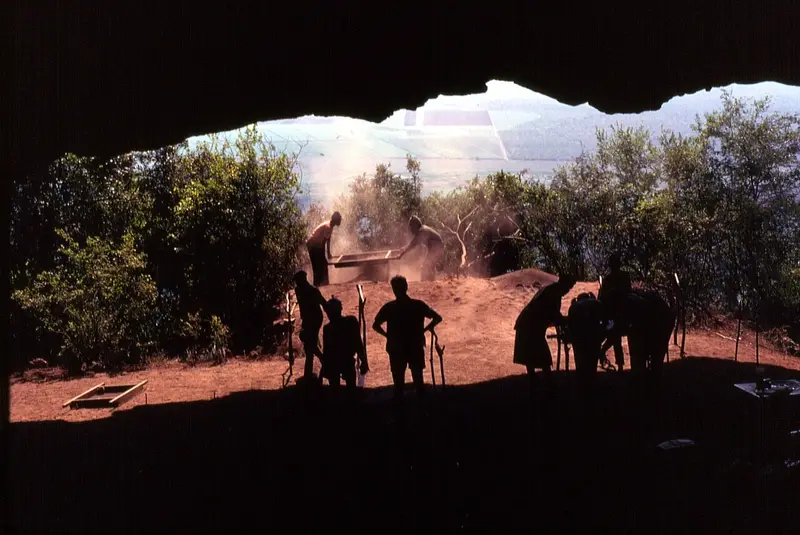 Border Cave
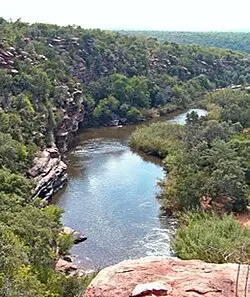 Waterberg Biosphere
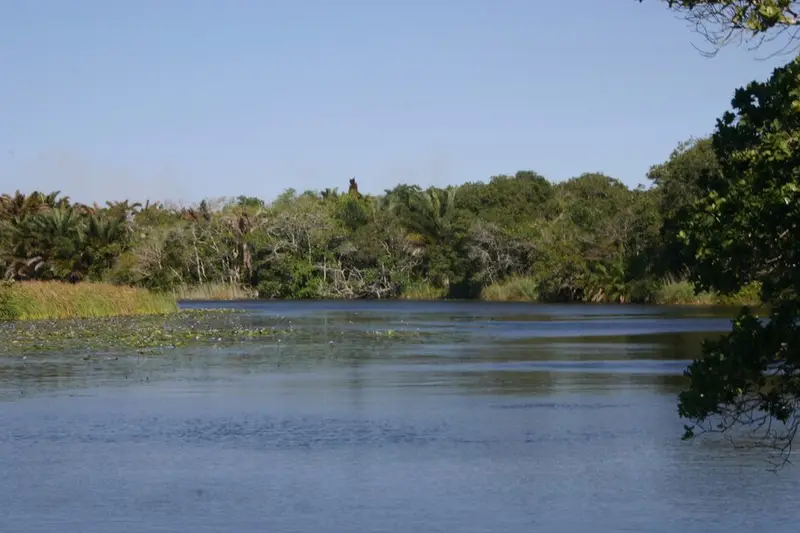 Kosi Bay
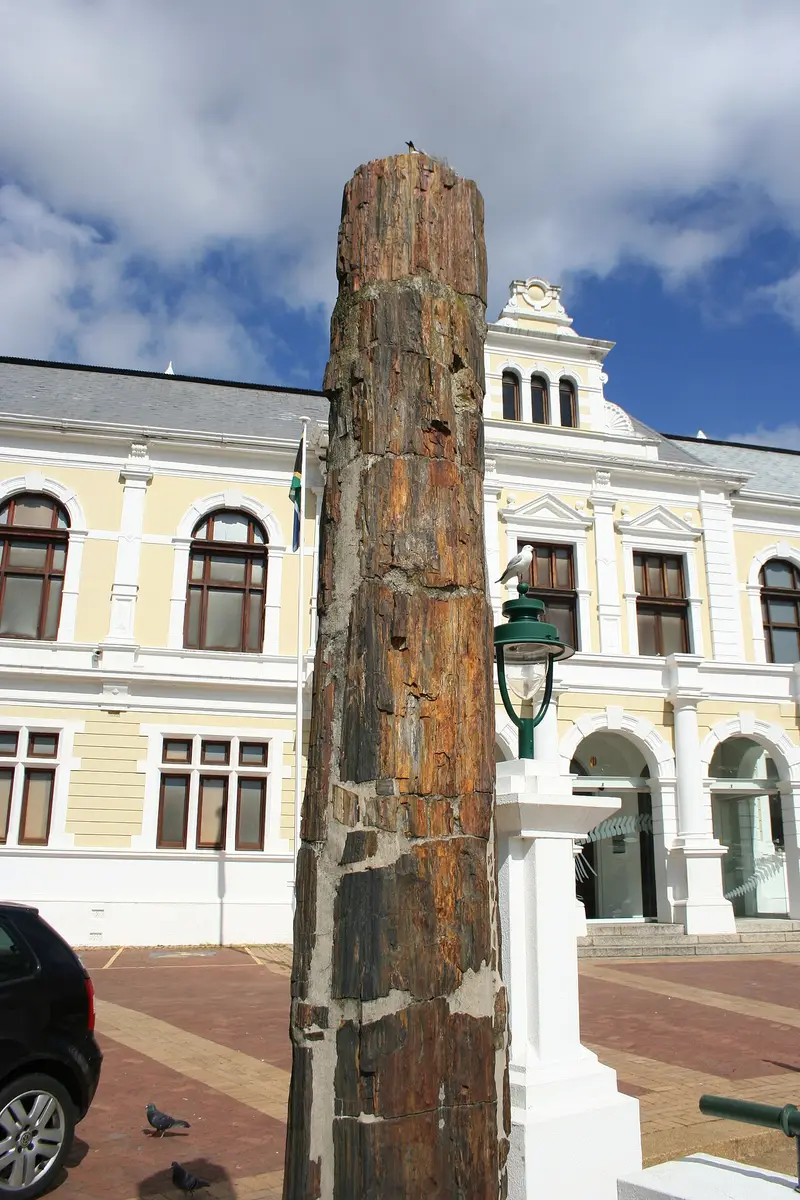 Iziko South African Museum
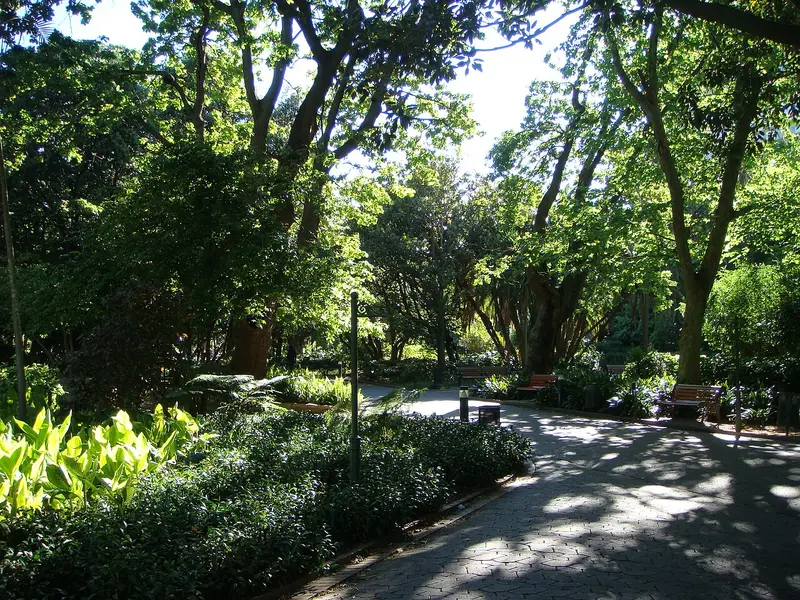 Company's Garden
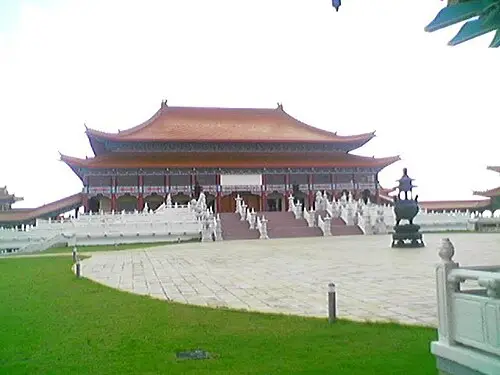 Nan Hua Temple
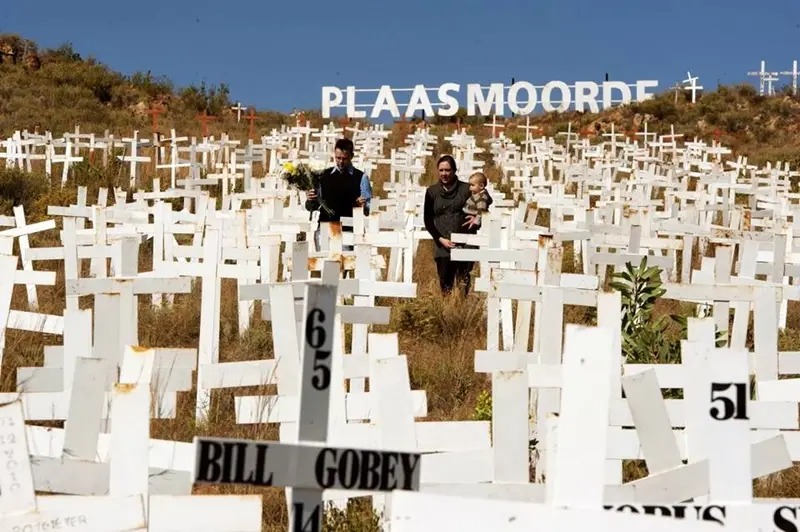 Witkruis Monument
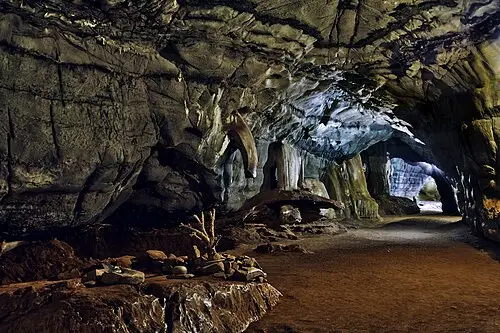 Sudwala Caves
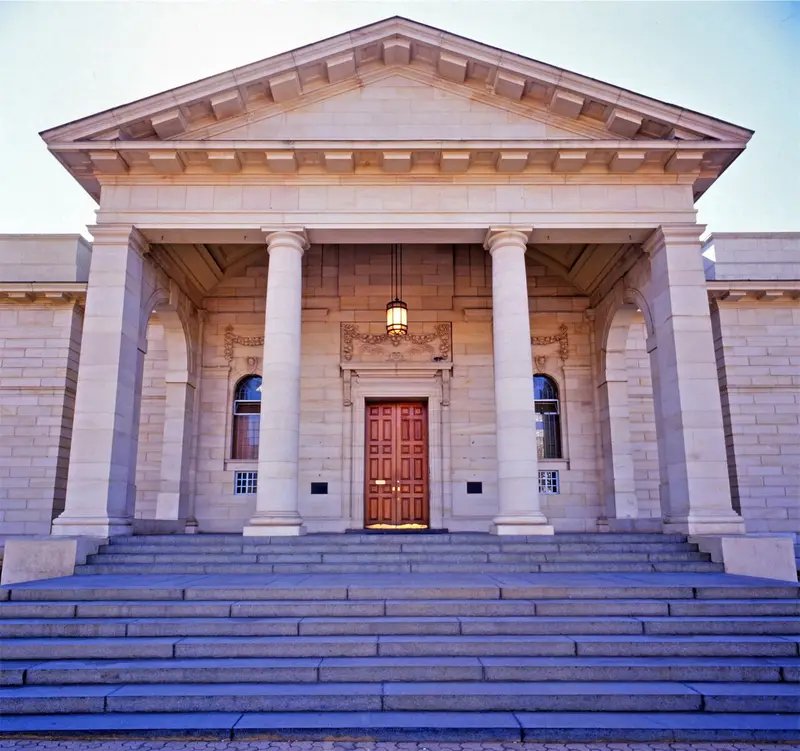 Johannesburg Art Gallery
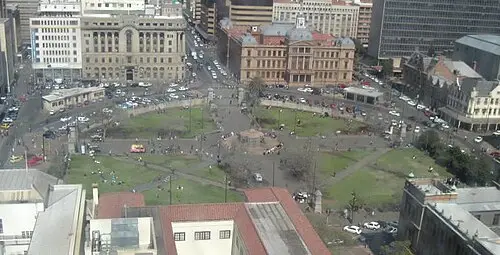 Church Square, Pretoria
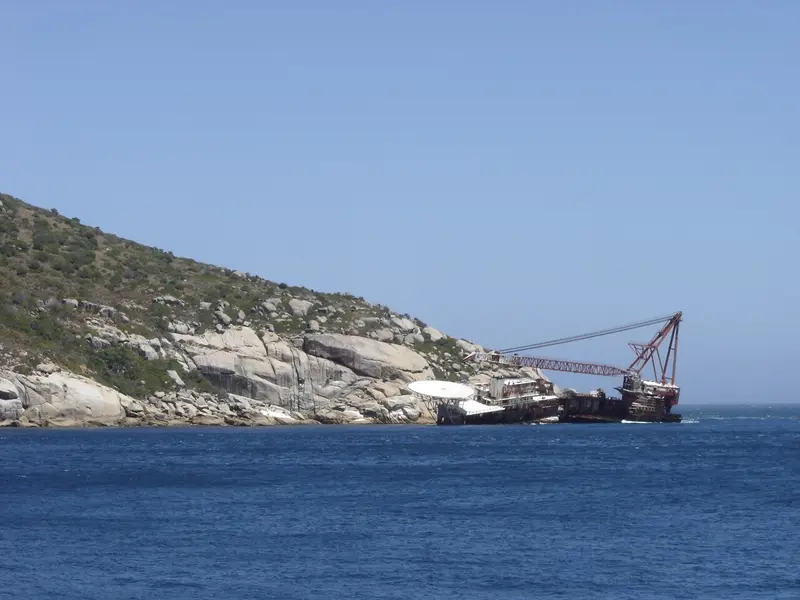 BOS 400
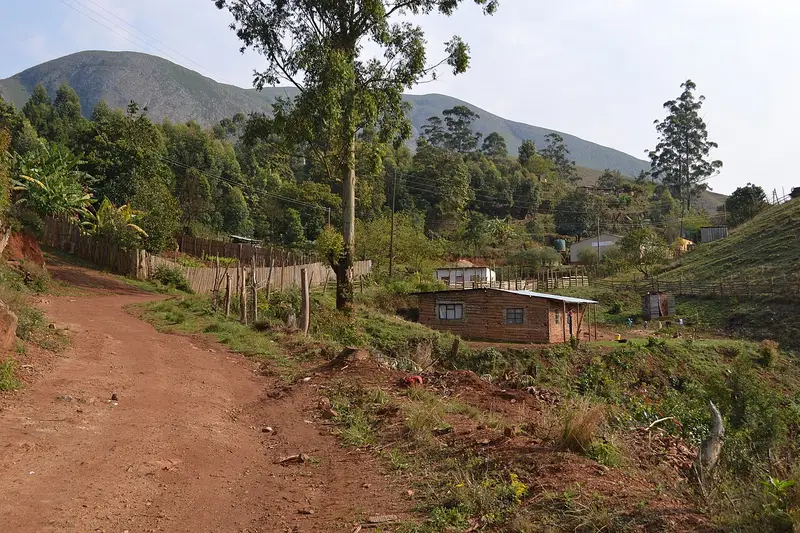 Emlembe
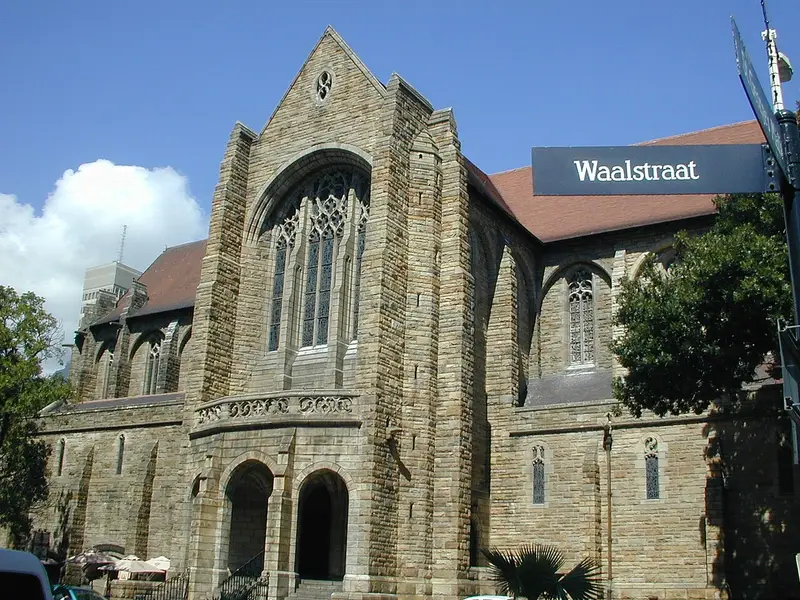 St. George's Cathedral
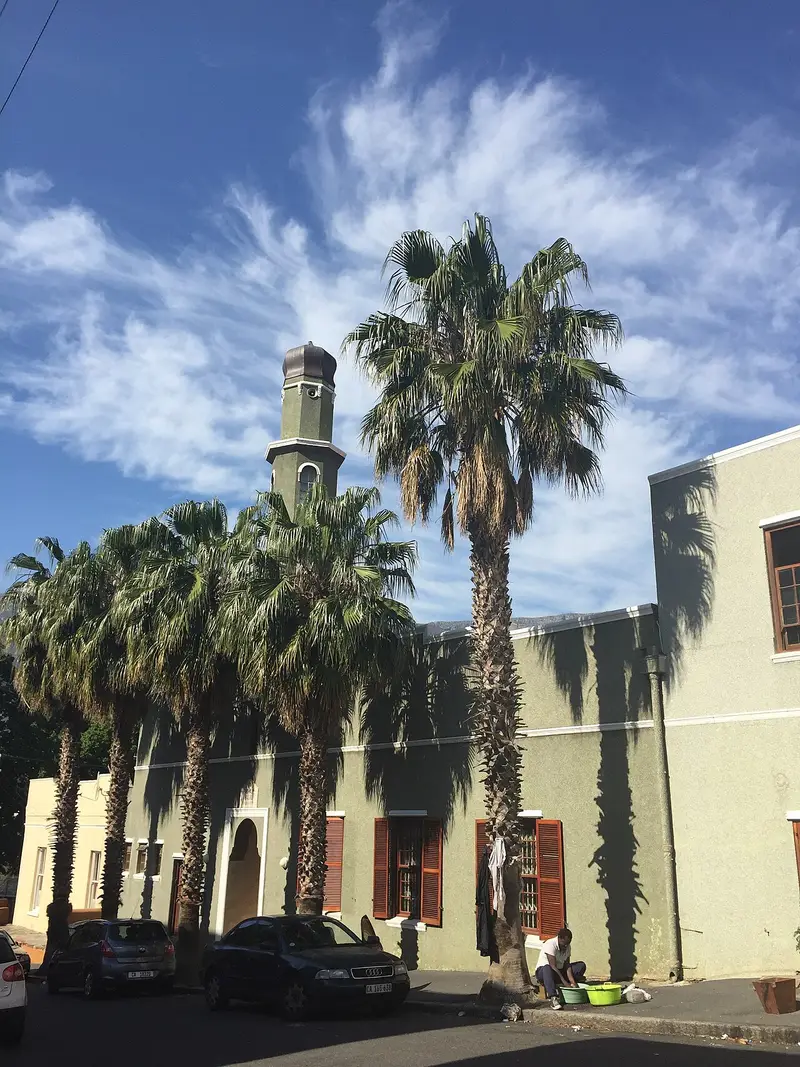 Auwal Mosque
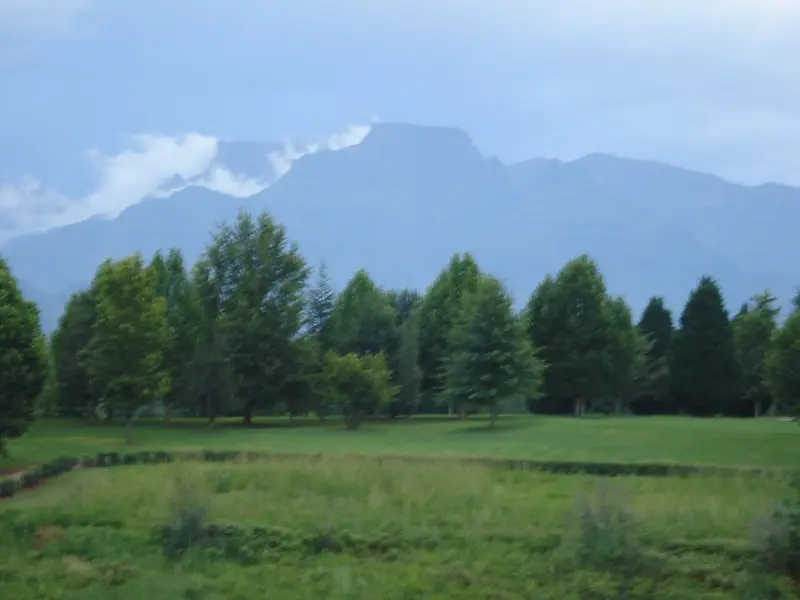 Champagne Castle
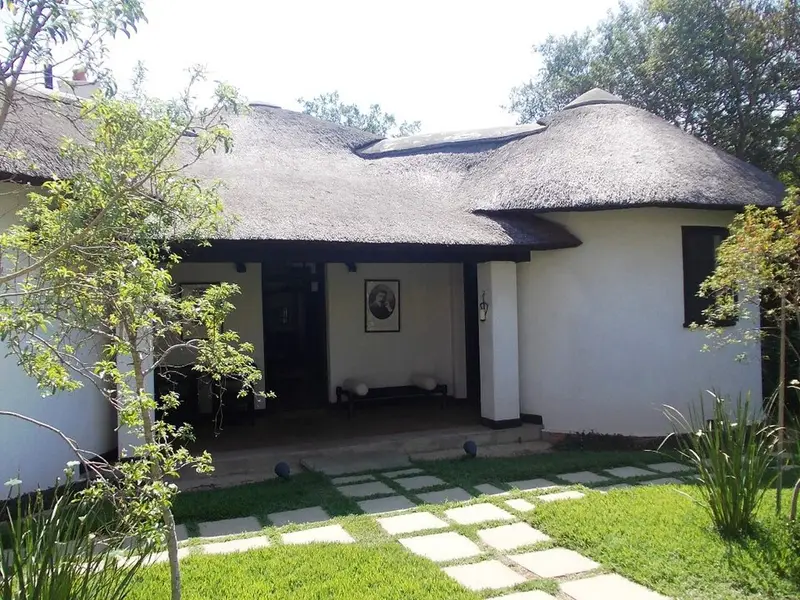 Satyagraha House
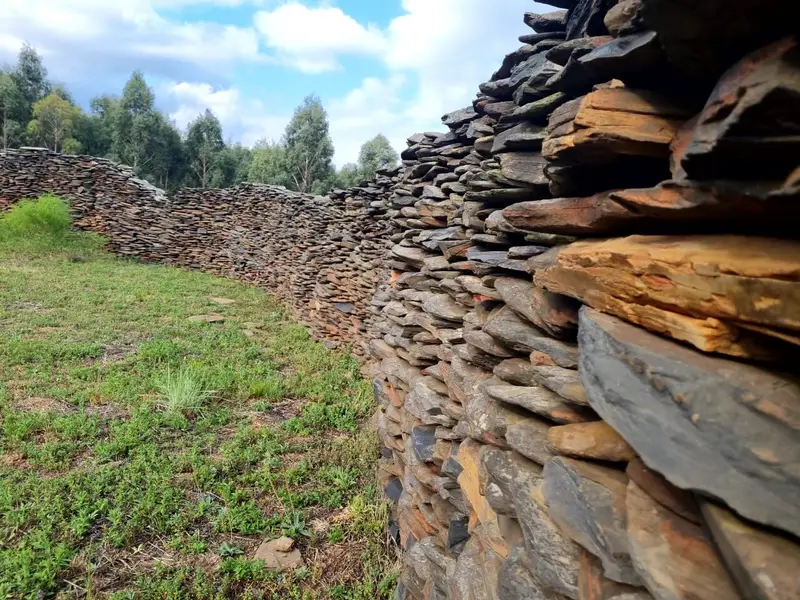 Blaauboschkraal stone ruins
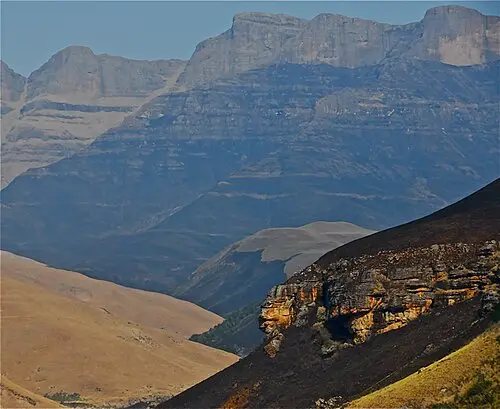 Giant's Castle
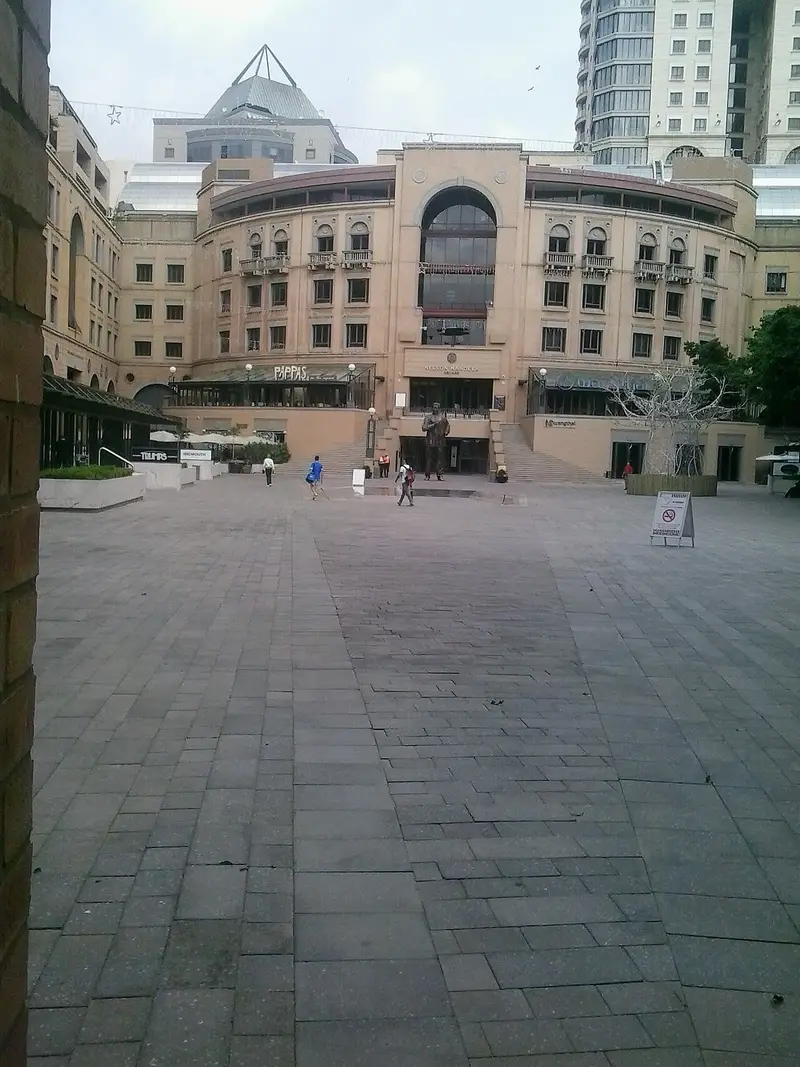 Nelson Mandela Square
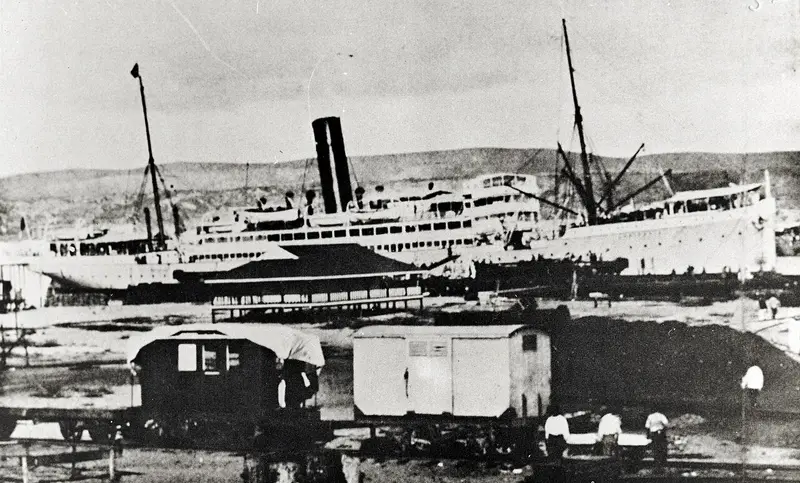 SS Lusitania
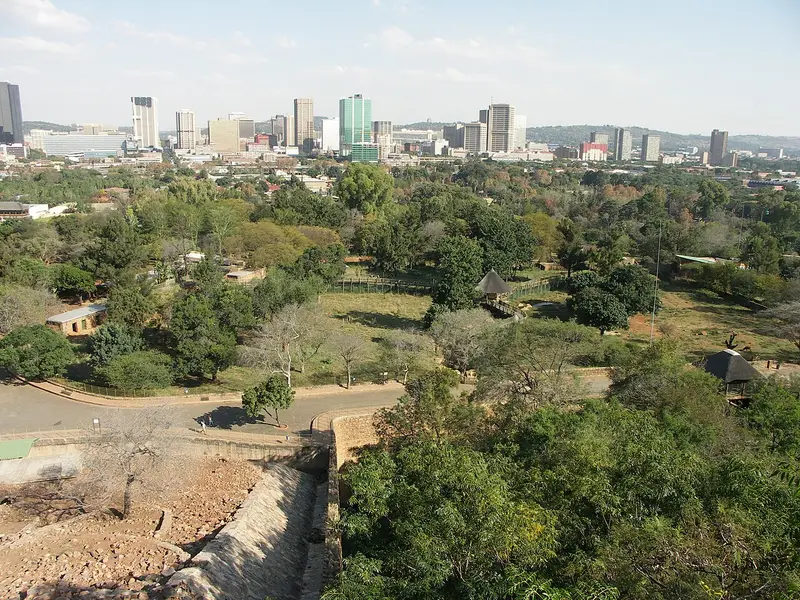 Pretoria Zoo
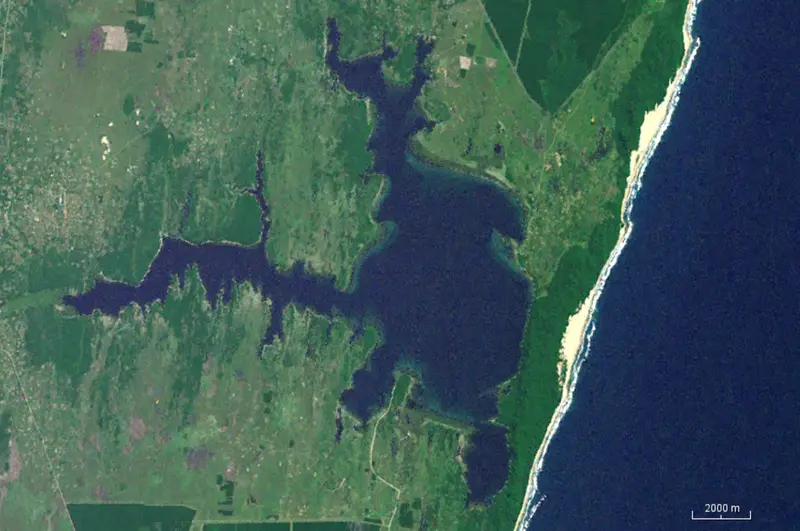 Lake Sibaya
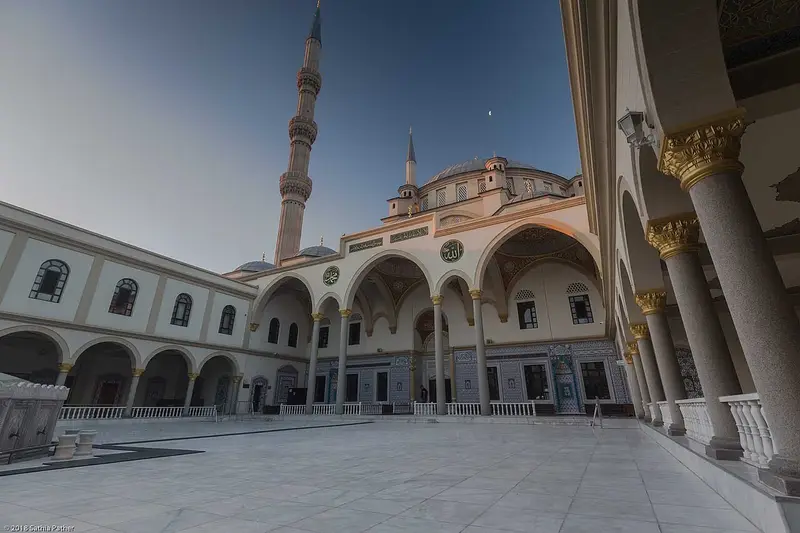 Nizamiye Masjid
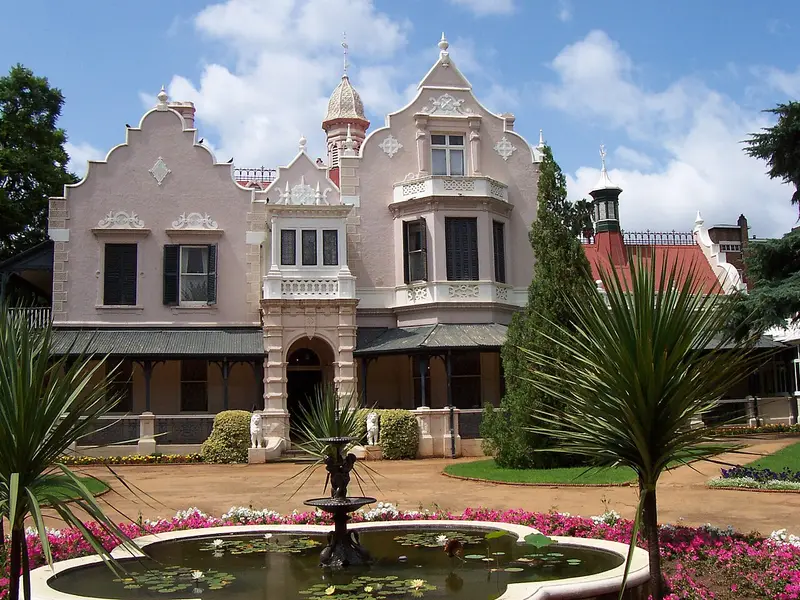 Melrose House
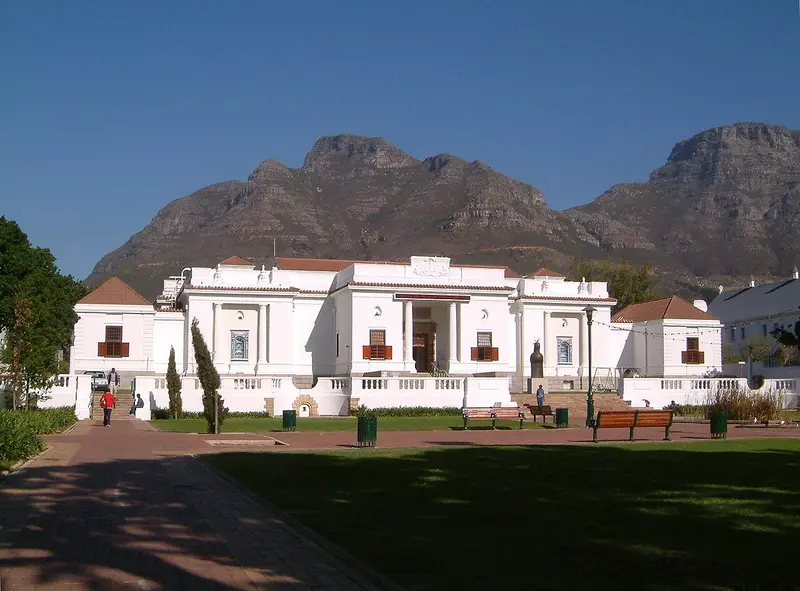 South African National Gallery
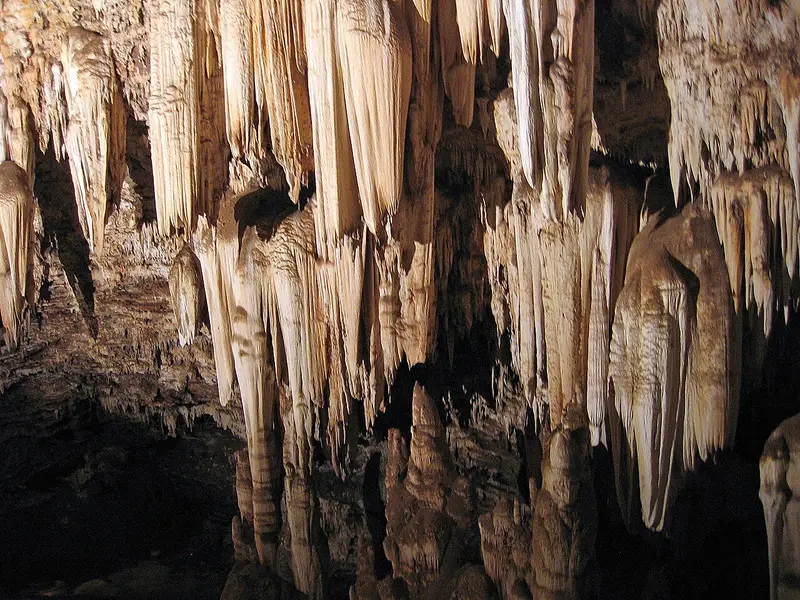 Wonder Cave
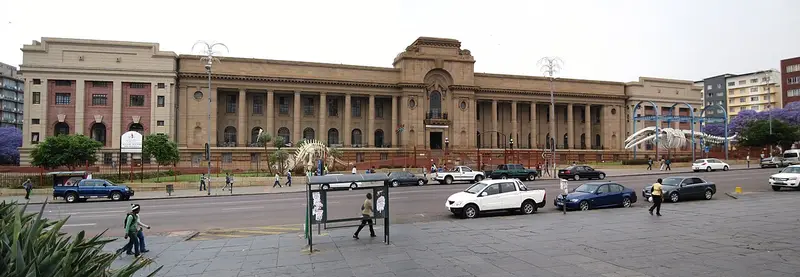 Ditsong National Museum of Natural History
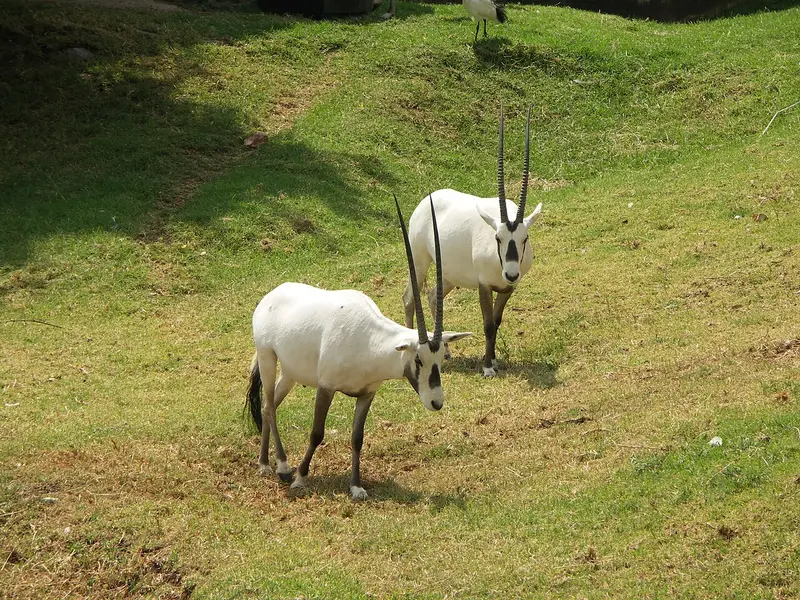 Johannesburg Zoo
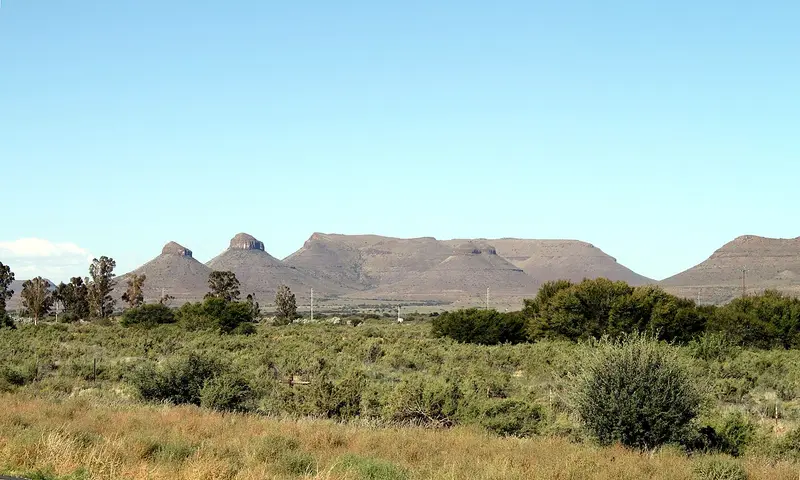 Three Sisters
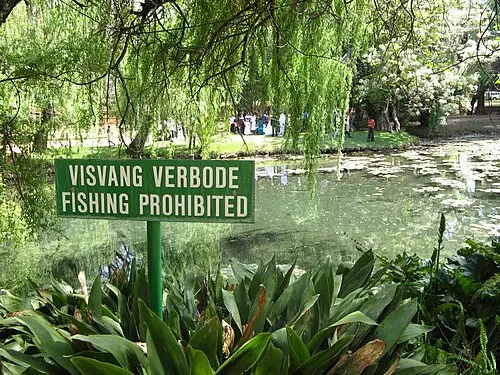 Eye of Kuruman
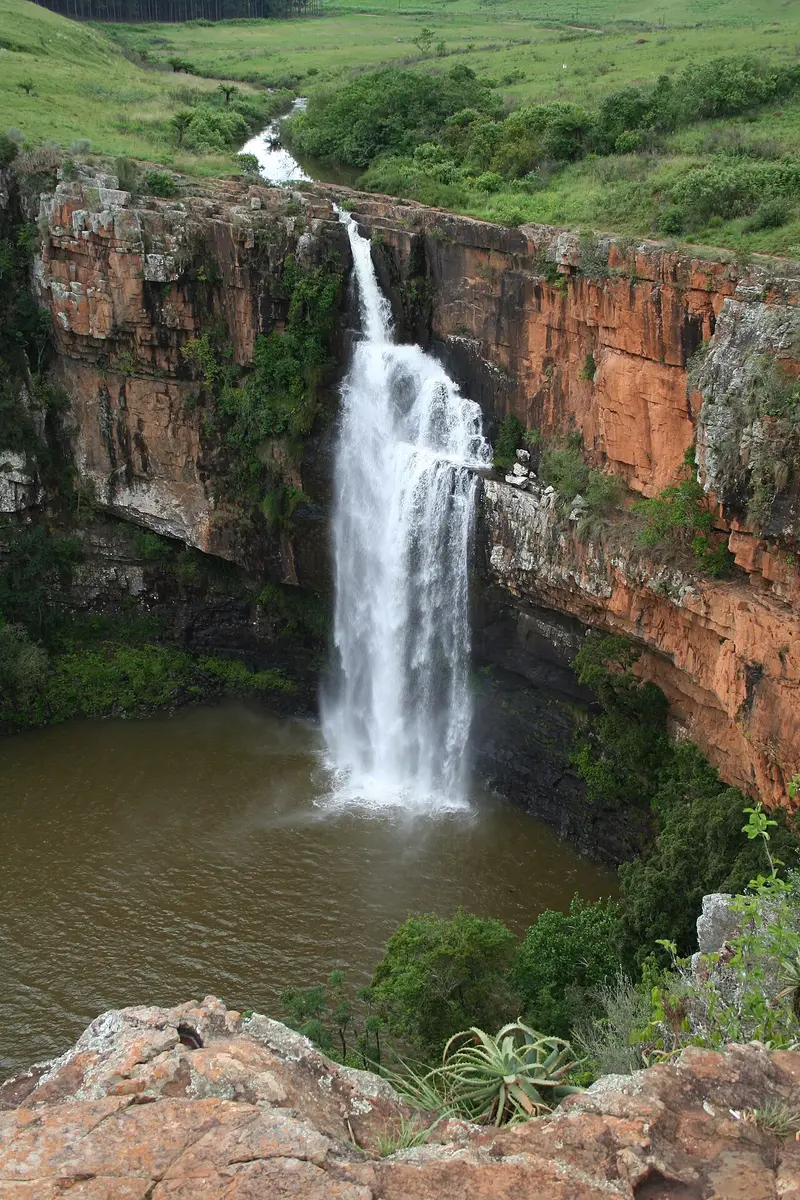 Berlin Falls
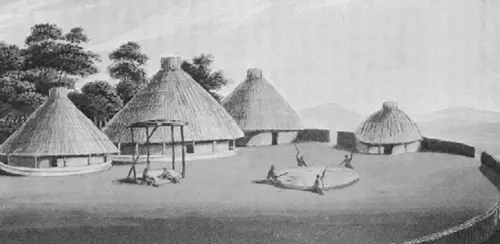 Kaditshwene
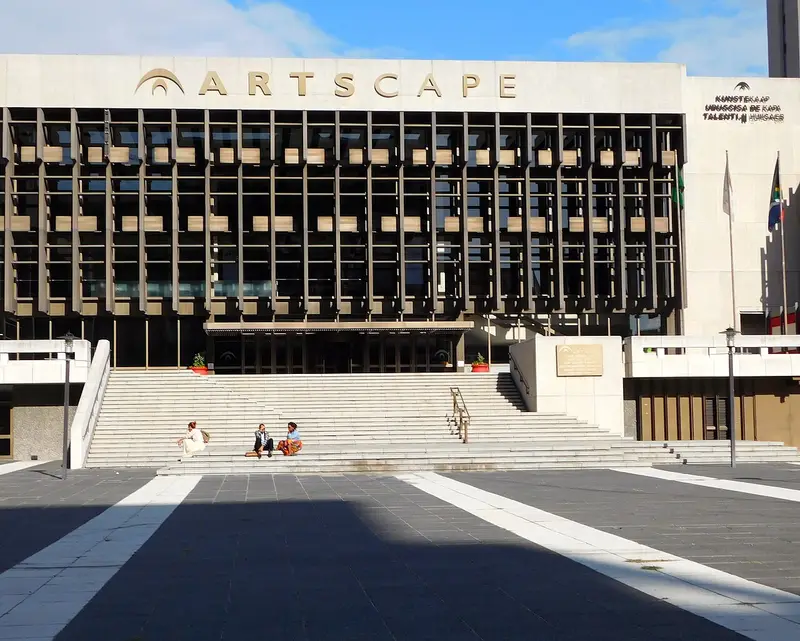 Artscape Theatre Centre
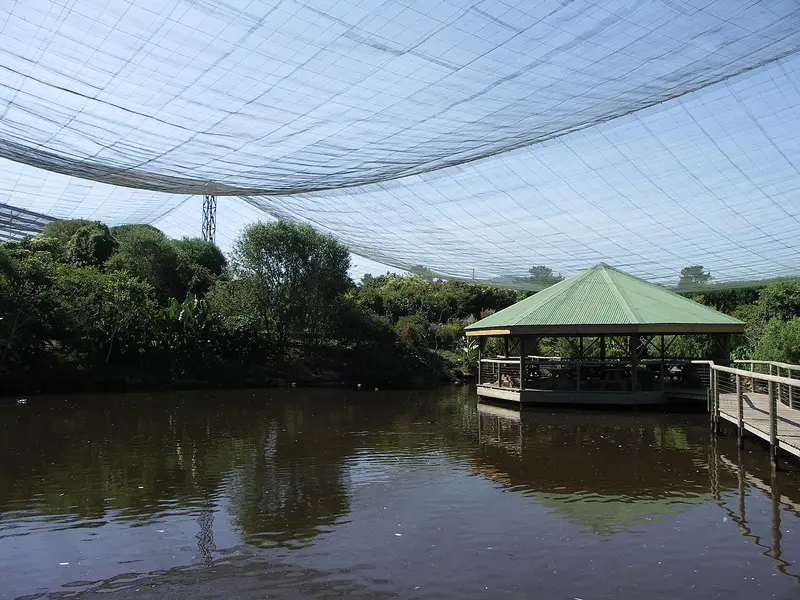 Birds of Eden
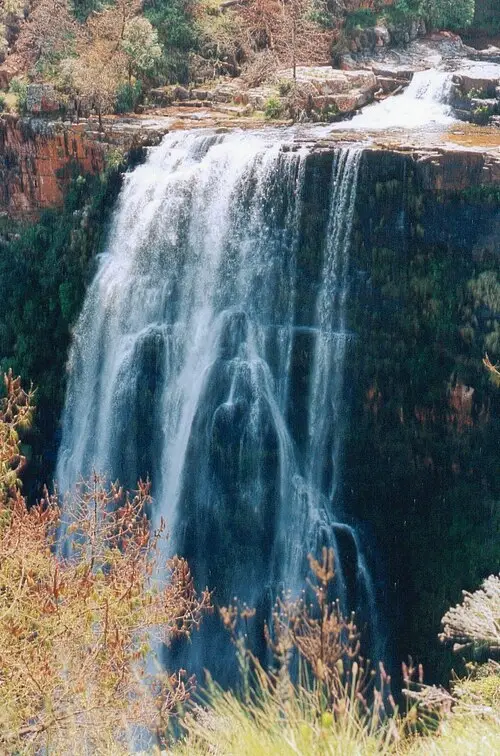 Lisbon Falls
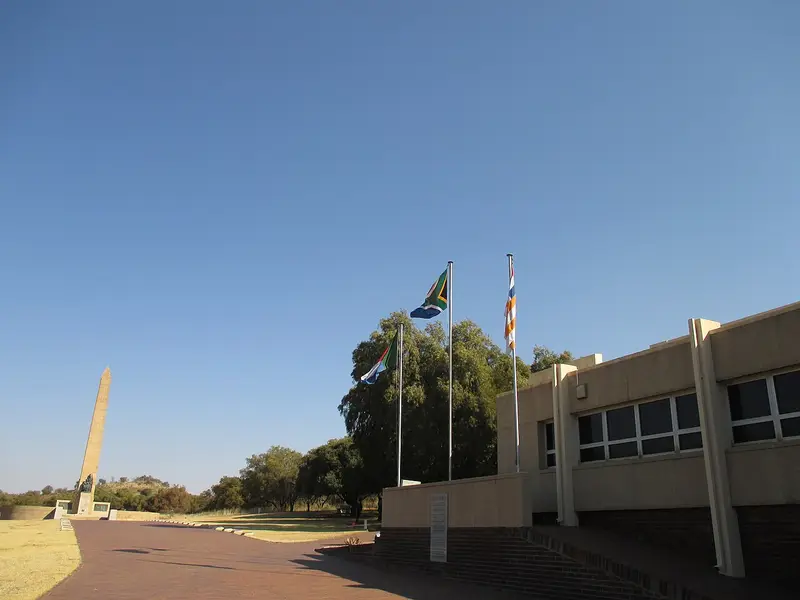 Anglo-Boer War Museum
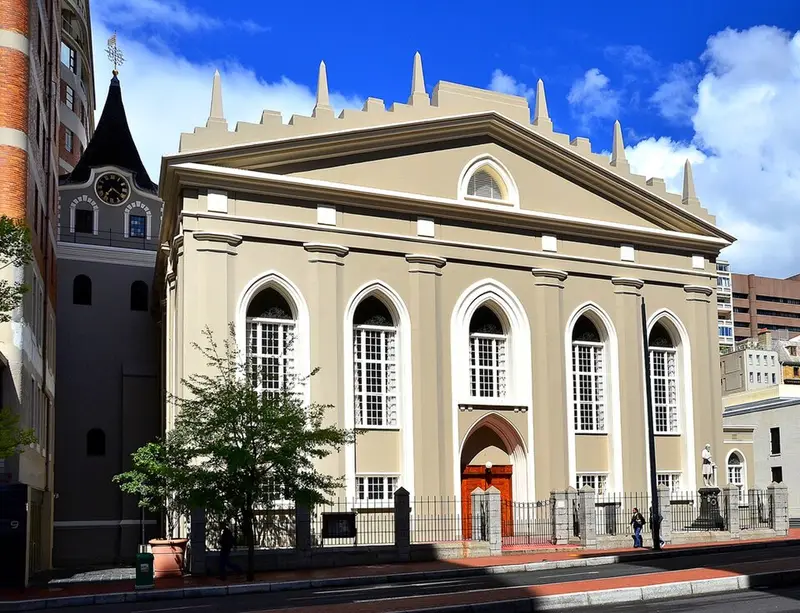 Groote Kerk
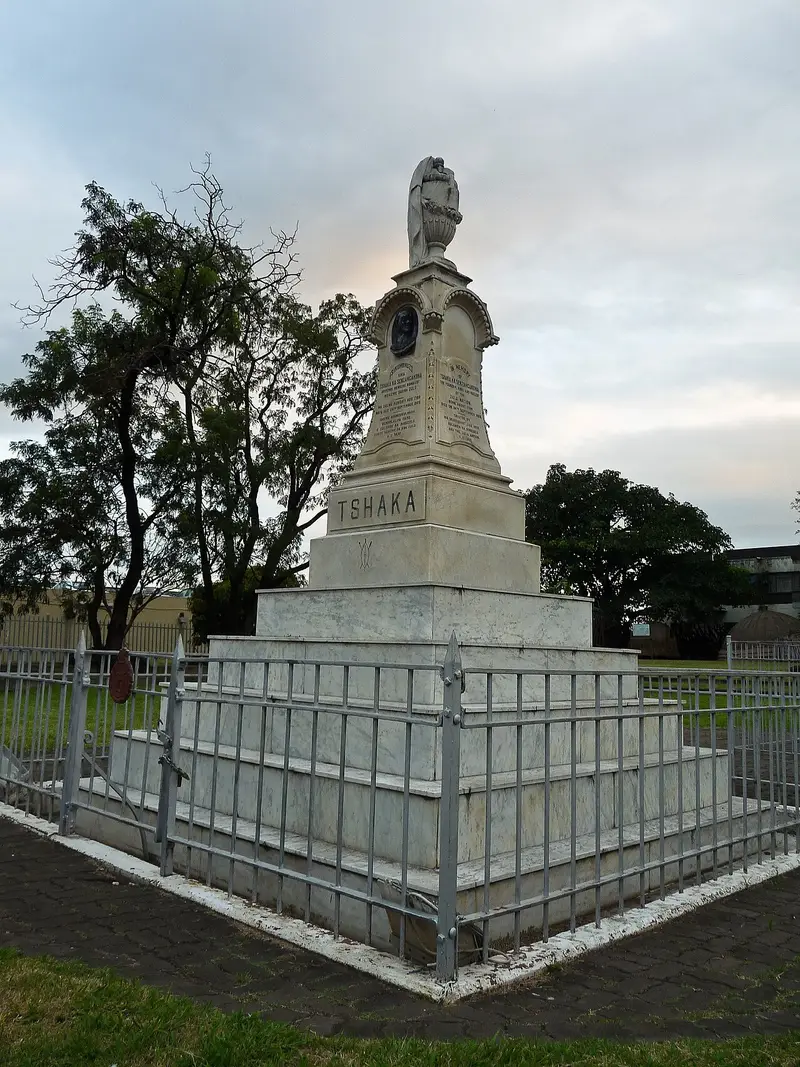 Shaka Memorial
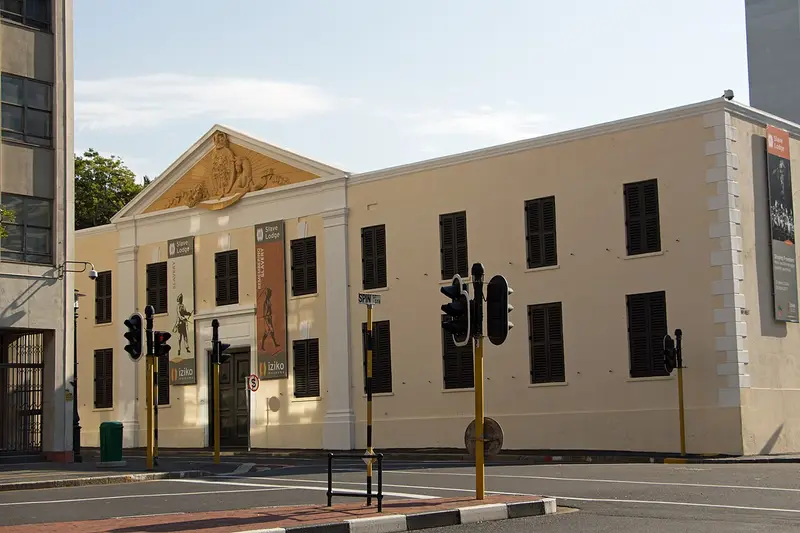 Slave Lodge
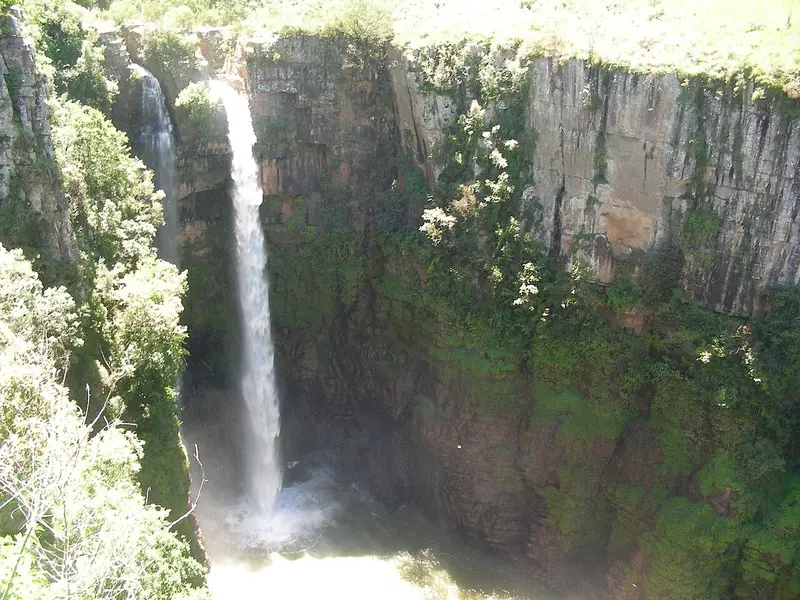 Mac-Mac Falls
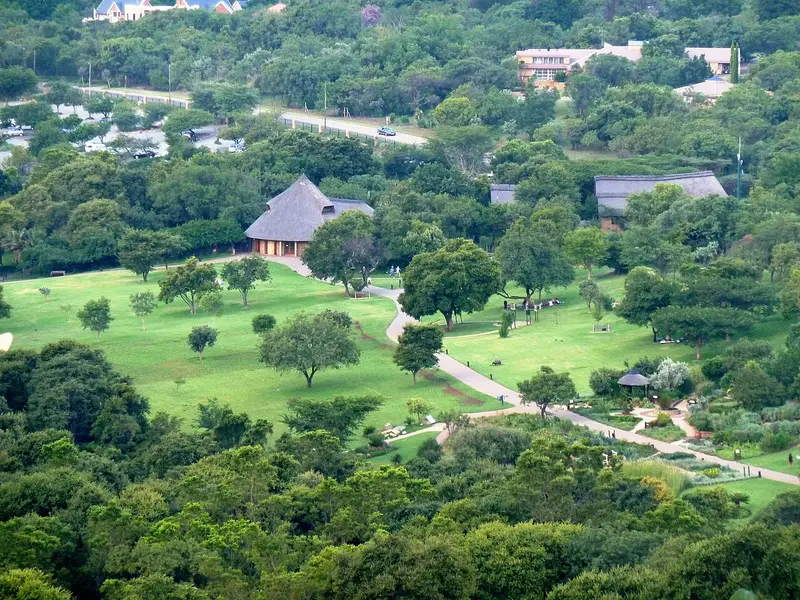 Walter Sisulu National Botanical Garden
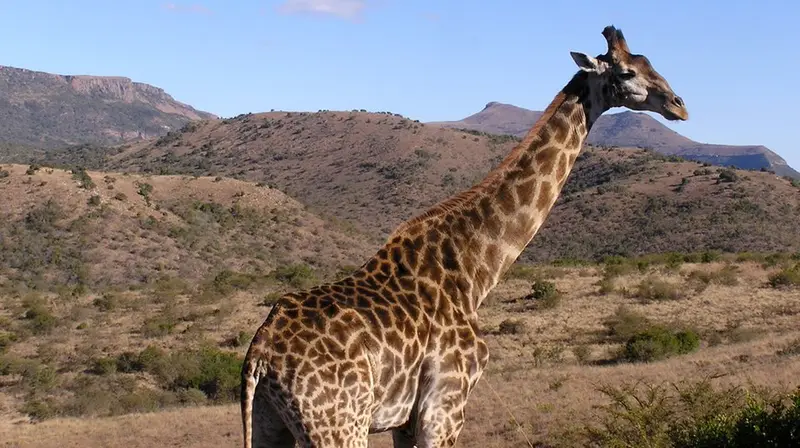 Ithala Game Reserve
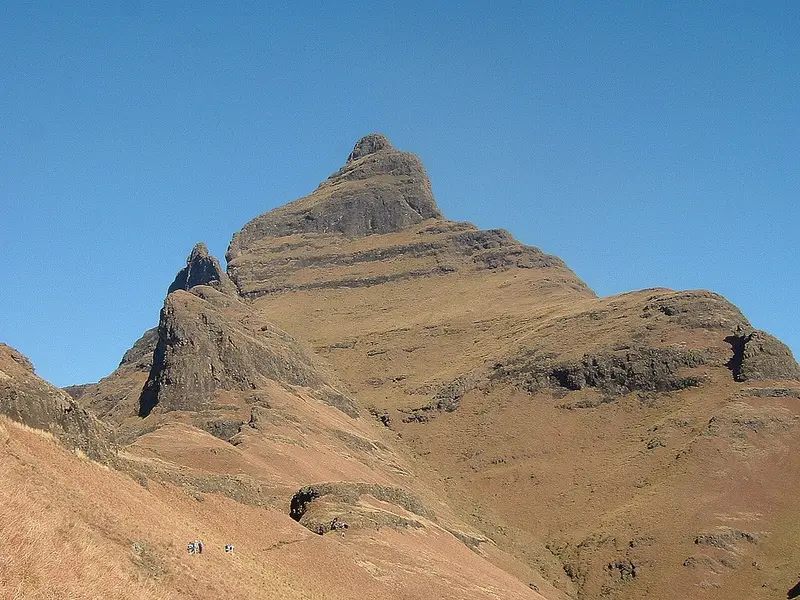 Cathedral Peak


