Written by our editors from the sources on each card.
Getting from the airport
In Mexico City, pay for an airport taxi at the counters inside or ride the Metrobús; at Cancún, ADO buses leave from Terminals 2, 3 and 4.
More on getting from the airport
At Mexico City's AICM, buy an authorised taxi ticket at a counter inside: in Terminal 1 at Sala A, the domestic baggage hall, Salas E2 and E3 or Gate 10; in Terminal 2 at Sala D, Sala E or Gate 4.
Ignore drivers who approach you outside the terminals: unlicensed taxis have robbed and assaulted passengers, so at any Mexican airport take only its own pre-paid taxis.
The Metrobús airport route runs to the city centre from Gate 7 at Terminal 1 and Gate 2 at Terminal 2, 04:30 to midnight (from 05:00 on Sundays); its card is sold at machines by the stops.
From Terminal 1, the Metro's Terminal Aérea station is on Boulevard Puerto Aéreo at the corner of Avenida Capitán Carlos León González, with trains towards the centre and the rest of the network.
At Cancún airport, ADO's buses into the city leave from Terminals 2, 3 and 4 and end at the downtown bus station; the airport's authorised taxis wait at Terminals 2 and 3.
Visiting Quintana Roo (Cancún and the Riviera Maya) means paying the state's visitor tax: pay online before or during your stay, and keep the proof to show at the airport when you leave.
A Mexican SIM only works once it's linked to your passport under the 2026 registration rules, so allow for that step when you buy one.
More on SIMs and eSIMs
Since 9 January 2026, every new mobile line in Mexico has to be linked to its user's identity before it gets service; until that step is done the SIM stays dead.
Foreigners register with a passport: the carrier records your name, country and passport number, and the only alternative document is a temporary CURP for foreigners.
Register in person at the carrier's shop or sales point, or remotely: on inserting the SIM you should get a text linking to the operator's 'vinculatulinea' page. AT&T says it never does this by phone.
Have a Mexican SIM from before 9 January 2026? Older lines have deadlines set by the number's last digit, ending 31 December 2026; miss yours and within 72 hours it only reaches emergency numbers.
Telcel, AT&T and Movistar cover the main destinations. Roaming on your home plan works but can be costly; the tourism board suggests a cheap prepaid Mexican SIM instead, in an unlocked phone.
At AICM, Telcel has a shop on Terminal 1's upper floor open 09:00 to 19:00 daily and Movistar one nearby open 09:00 to 20:00; Mobo phone shops are in both terminals, one at Terminal 2 open 24 hours.
Tipping is voluntary and can't go on your bill without your say-so, says consumer watchdog PROFECO; 10 to 15% in restaurants is the custom.
More on tipping
PROFECO, the consumer watchdog, is clear that a propina can't be demanded or added to the bill unless the diner agrees; it's a gift, not a charge.
Check the bill before adding anything: some bars and restaurants already put a service charge or 'tip' on it. If one was added without asking you, PROFECO takes complaints on 800 468 8722.
In restaurants, bars and at food stalls, 10 to 15% of the bill is usual; most people leave it in cash on the table after paying.
Supermarket bag packers and petrol-station attendants often rely on tips, so hand over a few coins.
Taxi drivers don't count on a tip, though the coins from your change are welcome; porters and hotel cleaners are usually given a little too.
Menus and bills must show prices in pesos with tax included, and a restaurant can't insist on a minimum spend.
Keep your passport and proof of entry with you, leave e-cigarettes at home, and stay clear of demonstrations and drugs.
More on etiquette
Officials can ask for your passport and the stamp or record of your entry, and a photocopy or phone photo won't do; without them you risk being held while your status is checked.
Arriving by air you get a passport stamp and a digital entry record (FMMd): download the record from the INM's Portal de Servicios within the first 60 days of your stay.
E-cigarettes and vape liquids are illegal to bring in, buy or sell: customs seize them and may fine or hold you. Smoking or vaping in public can be fined up to 3,000 pesos.
Foreigners are barred by law from political activity, so stay out of demonstrations, however peaceful: joining one can mean detention and deportation.
Drug offences carry sentences of up to 25 years, and 'spiritual cleansing' retreats sold to tourists use hallucinogens such as DMT that have left people robbed, assaulted or seriously ill.
Haggling is normal in markets and for big purchases, but not in shops with marked prices.
Ask any 'police officer' for ID and a written fine, take sitio or app taxis rather than street ones, and use cash machines indoors by day.
More on scams
Criminals pose as police to 'fine' travellers, and some real officers shake tourists down over trivia. Give neither cash nor passport; ask for ID and a copy of the fine, and note badge numbers.
In Cancún, taxi drivers protesting against Uber have blocked roads by the hotels and pulled tourists out of Uber cars; ask your hotel before booking a ride-hail there, above all at the airport.
Unlicensed taxi drivers have robbed and assaulted passengers, Mexico City included. Take a sitio taxi from a rank, have your hotel call one, or use a ride-hail app; don't flag one down in the street.
'Express kidnappings', where the victim is driven from cash machine to cash machine, happen mostly in cities. Use ATMs inside shops or malls in daylight, take out modest sums and watch who is about.
Don't leave a drink or plate unattended in a bar: travellers have been drugged, then robbed or assaulted. Drinks laced with methanol have also killed people in Mexico, and you can't taste or smell it.
A 'free' tour, lunch or boat trip pressed on you by a friendly stranger, notably at Cancún airport and in resort areas, is the start of an hours-long timeshare pitch; say no and keep walking.
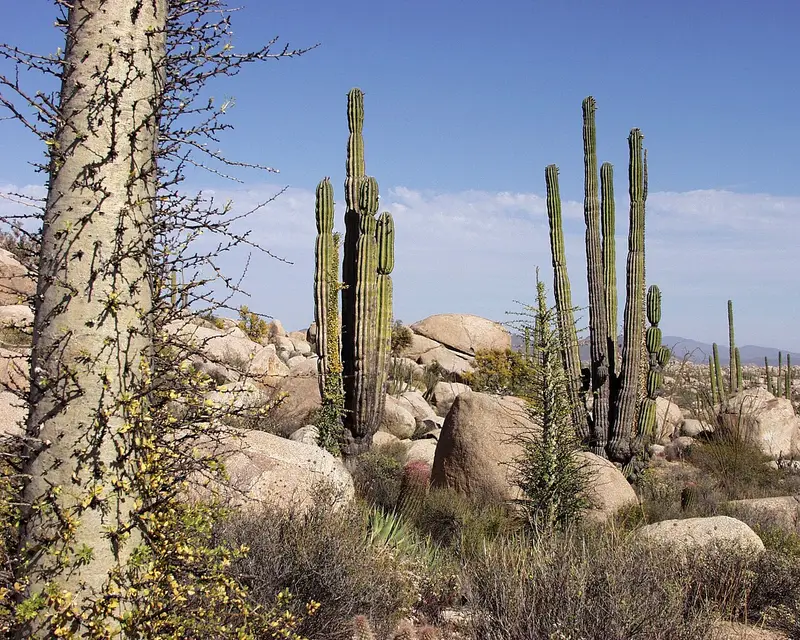
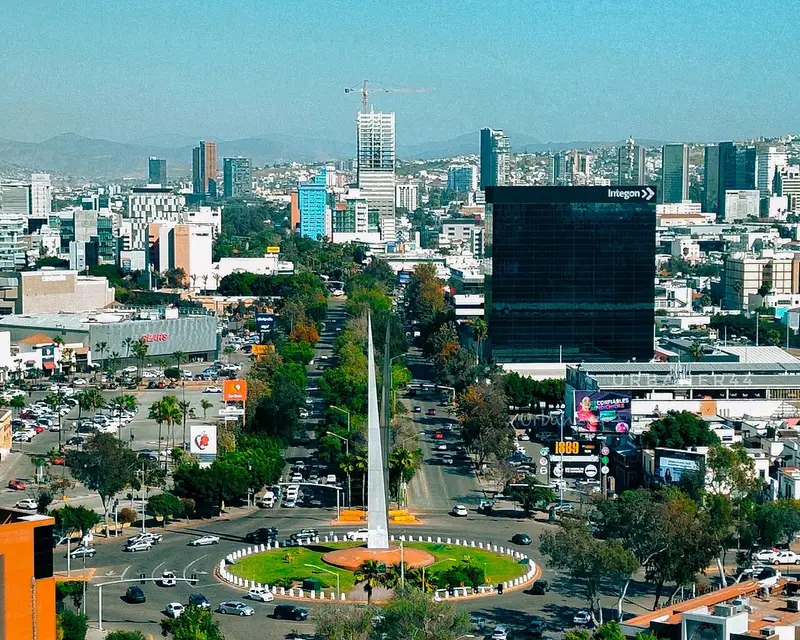
Mexico, officially the United Mexican States, is a country in North America. It is the northernmost country in Latin America, bordering the United States of America to the north and Guatemala and Belize to the southeast, while having maritime boundaries with the Pacific Ocean to the west, the Caribbean Sea to the southeast, and the Gulf of Mexico to the east. Mexico covers 1,972,550 km2 (761,610 sq mi), and is the thirteenth-largest country in the world by land area.

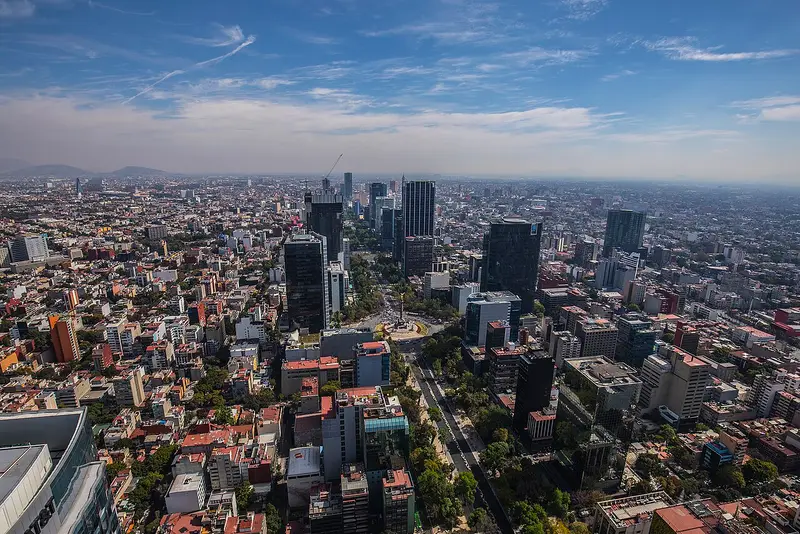
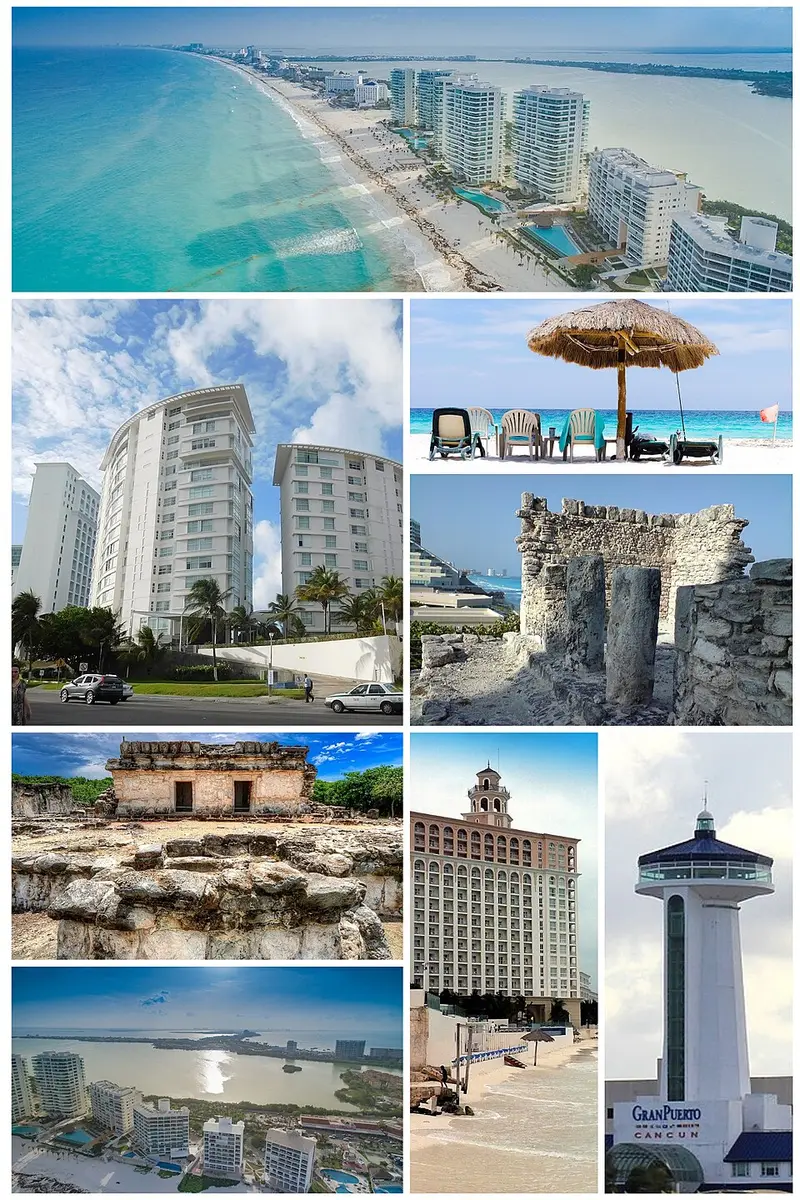
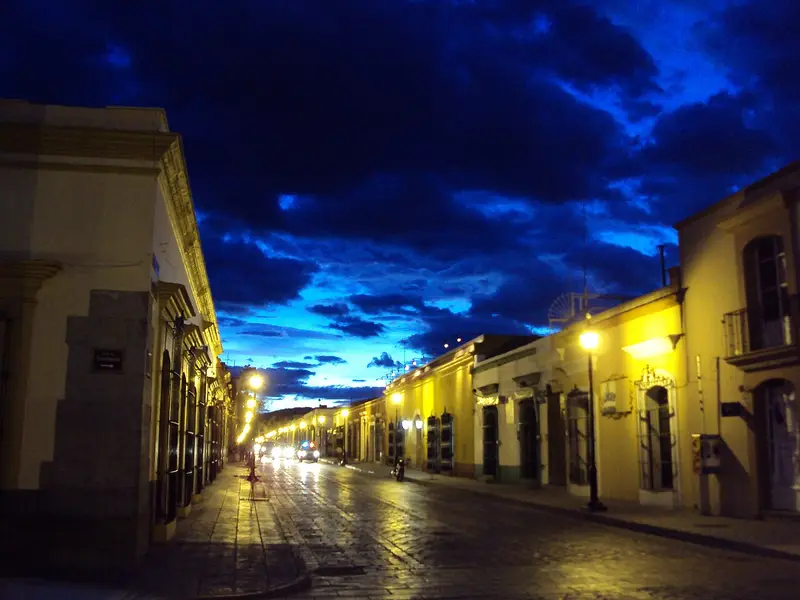
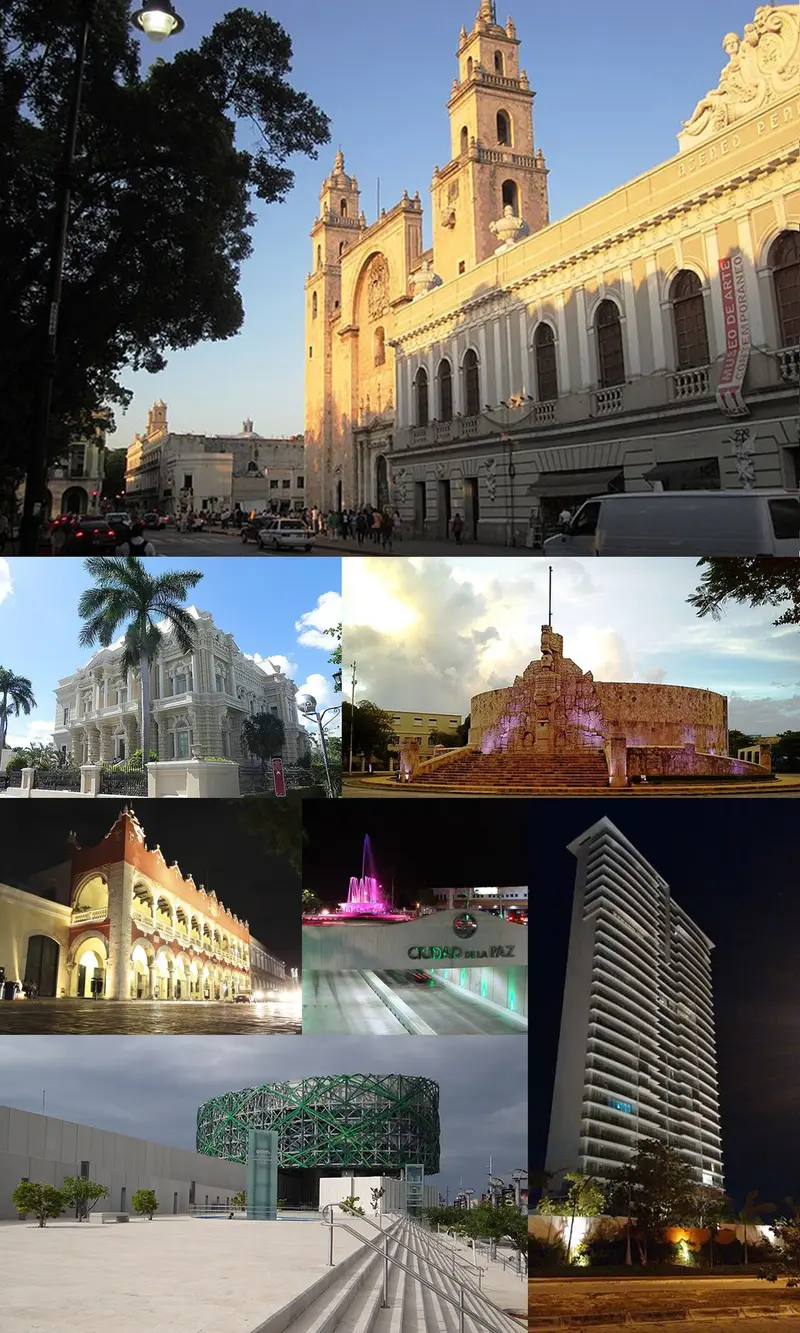
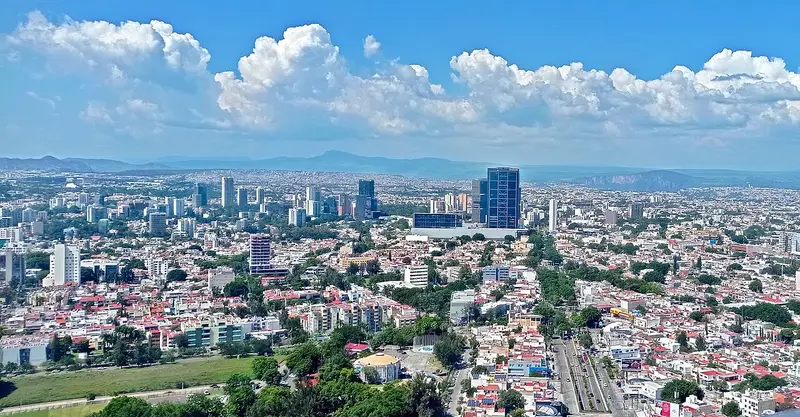
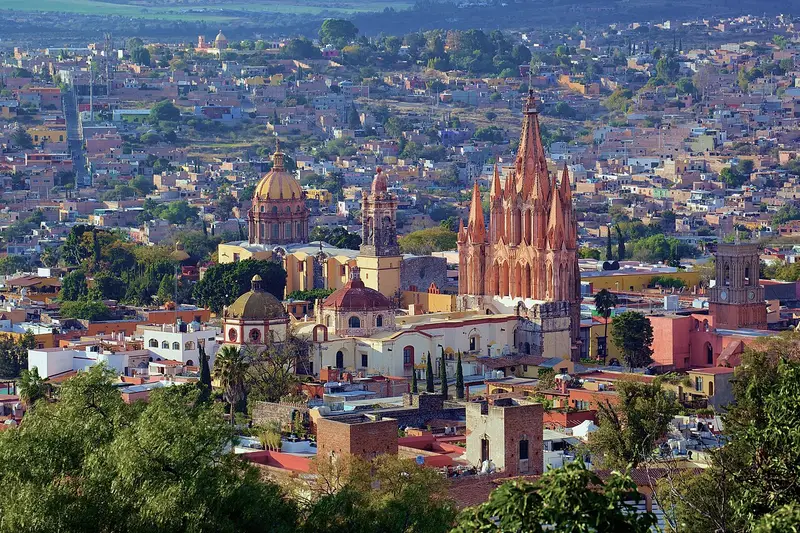
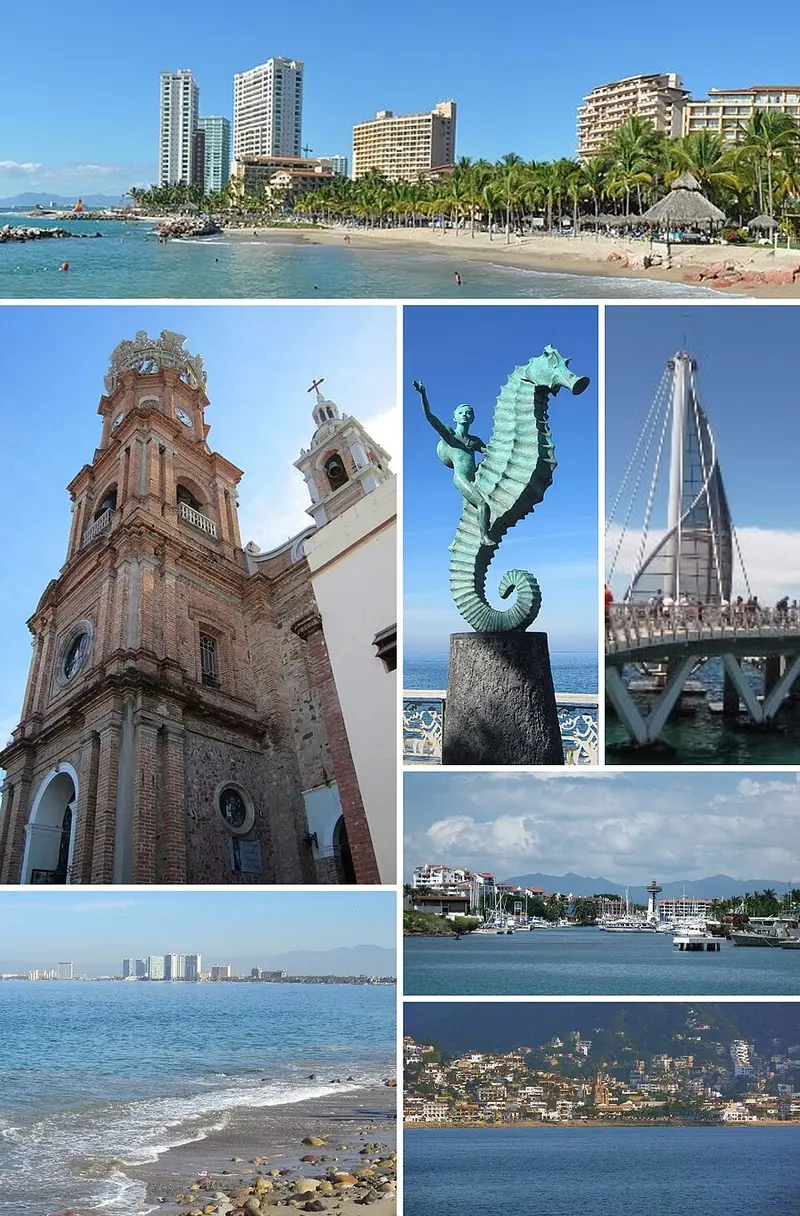
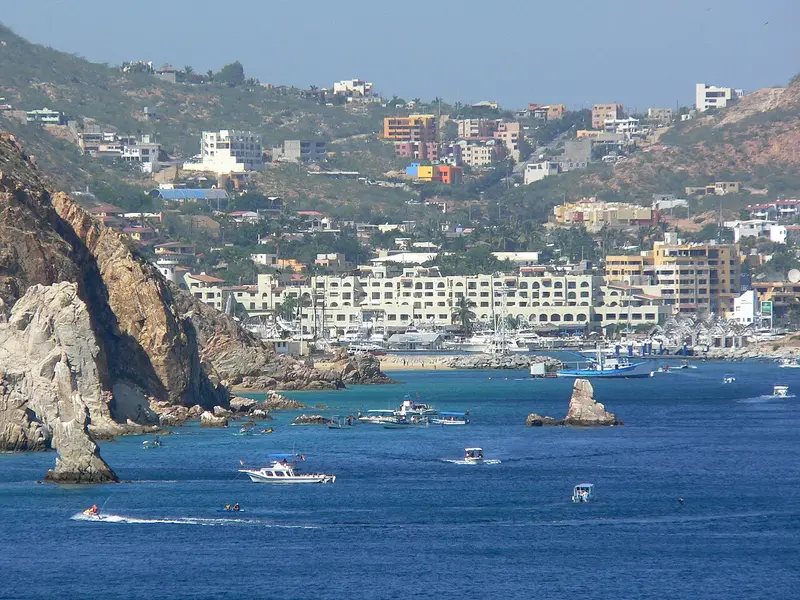
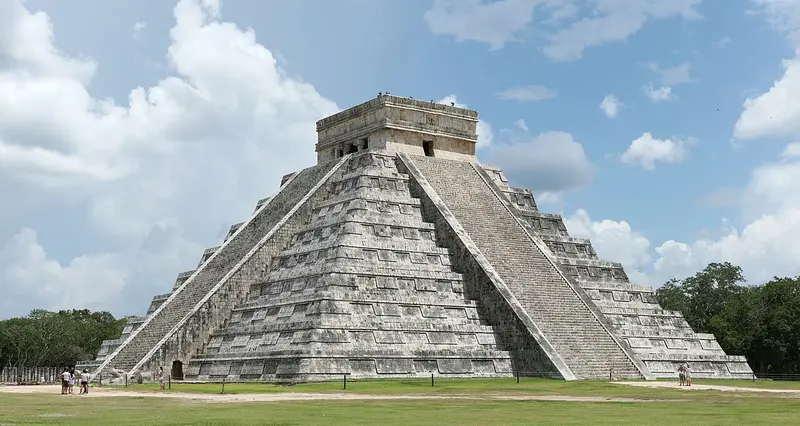 Chichen ItzaUNESCO World Heritage
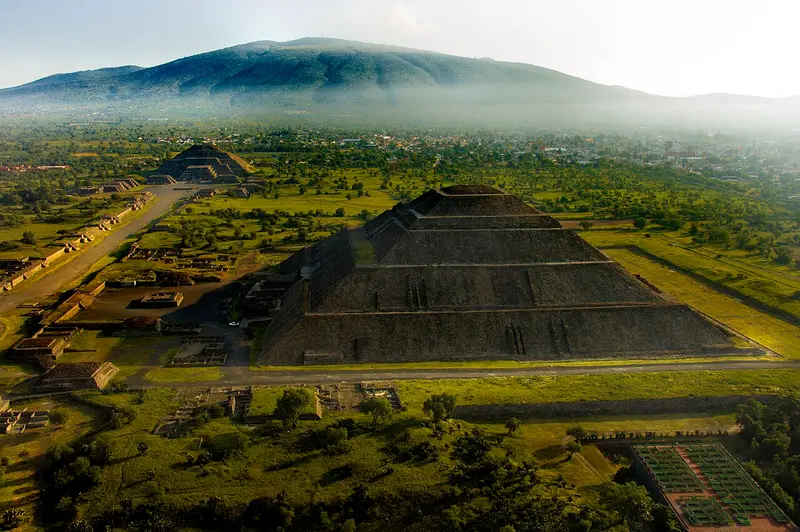 TeotihuacanUNESCO World Heritage
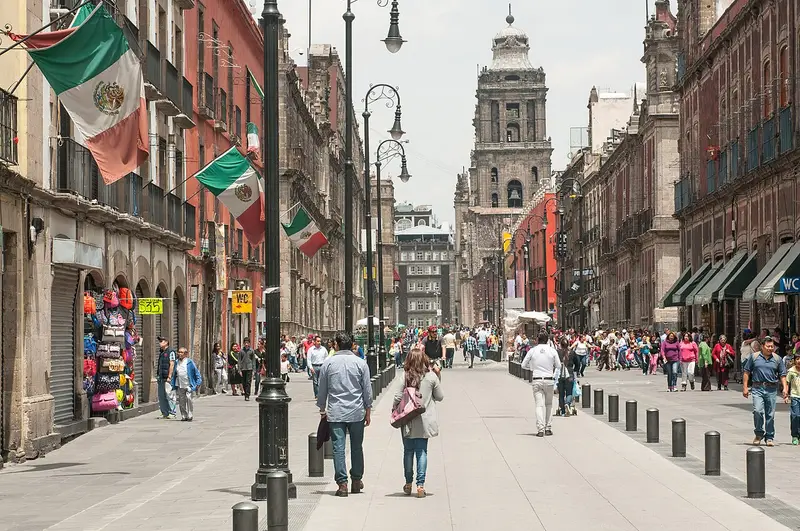 Historic center of Mexico CityUNESCO World Heritage
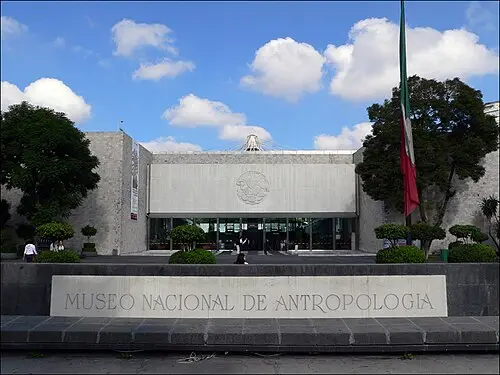 National Museum of Anthropology
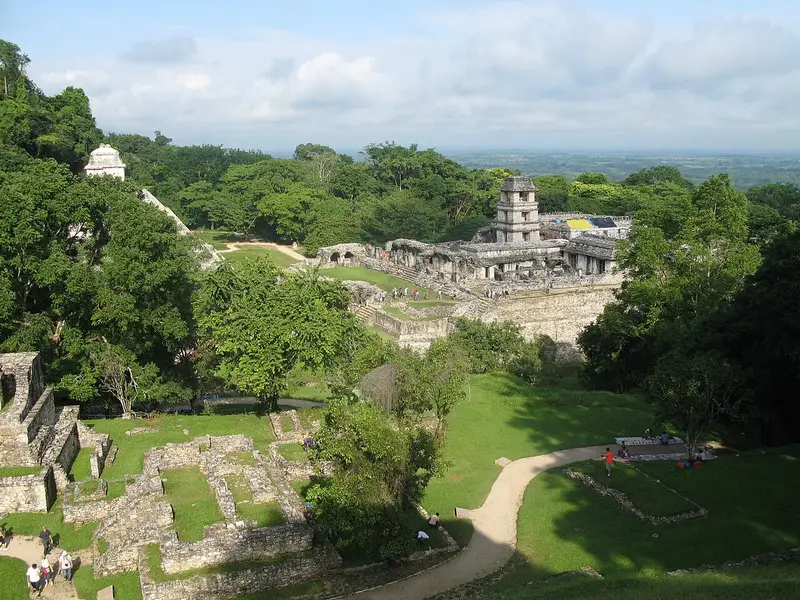 PalenqueUNESCO World Heritage
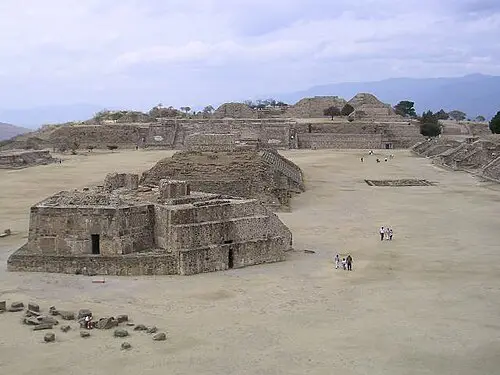 Monte AlbánUNESCO World Heritage
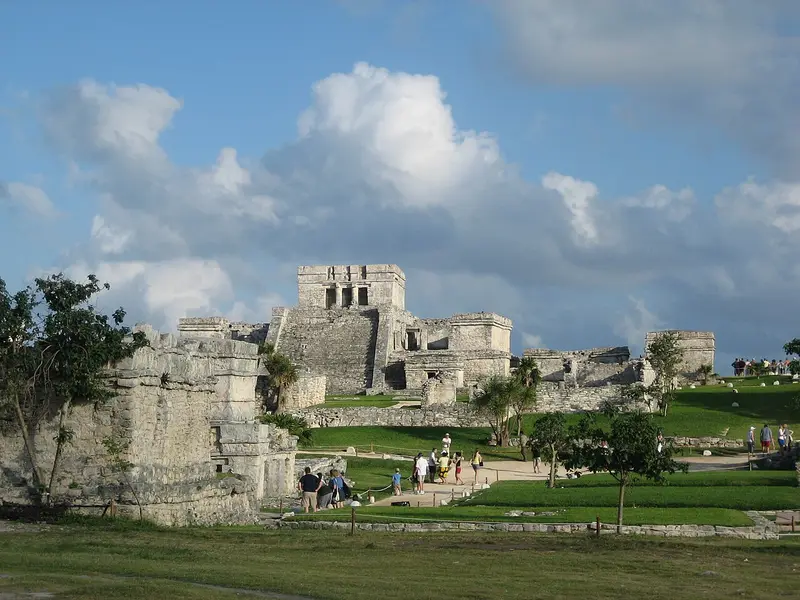 Tulum
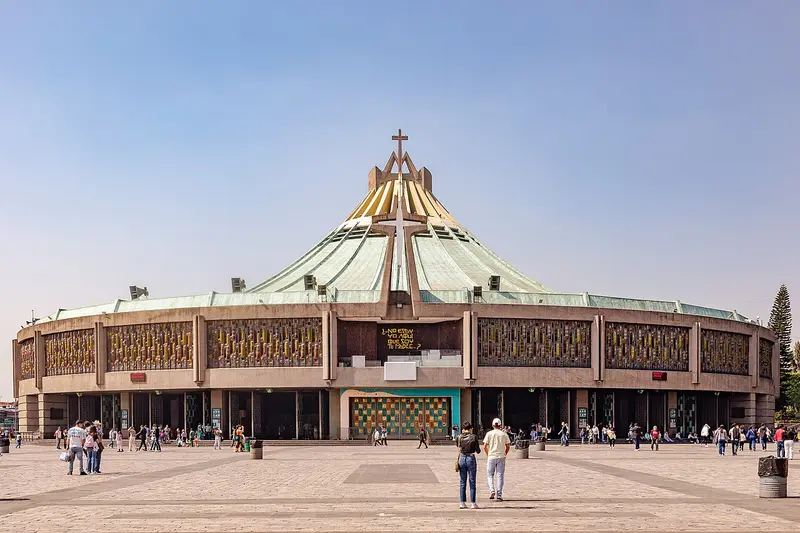 Basilica of Our Lady of Guadalupe
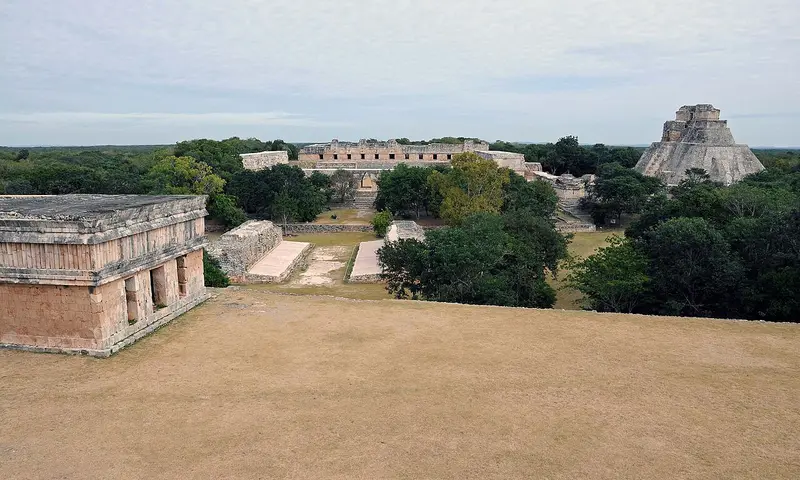 UxmalUNESCO World Heritage
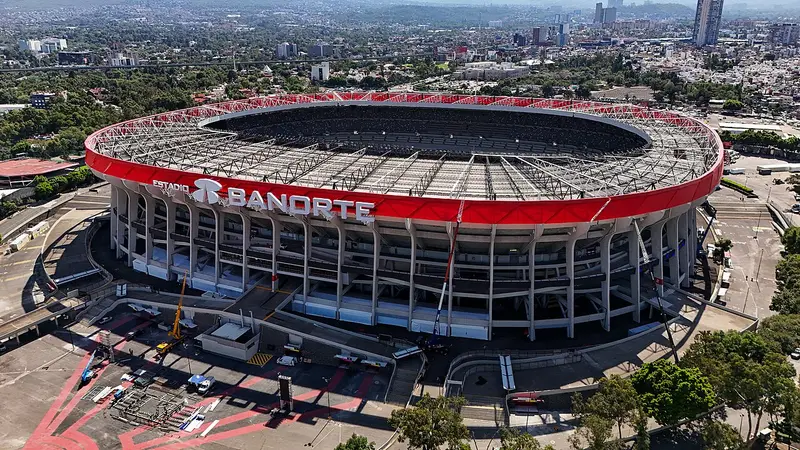 Estadio Azteca
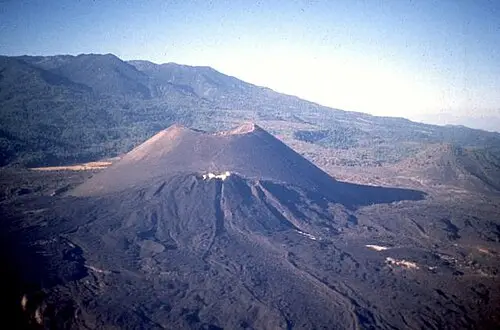 Parícutin
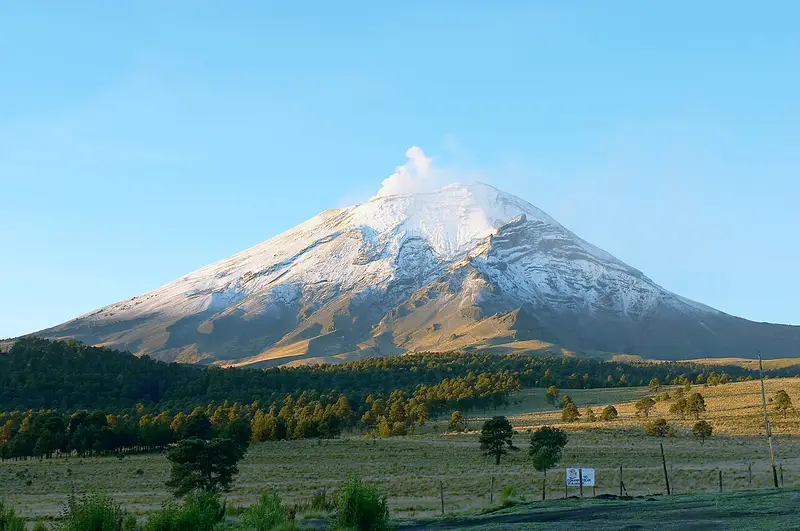 Popocatépetl
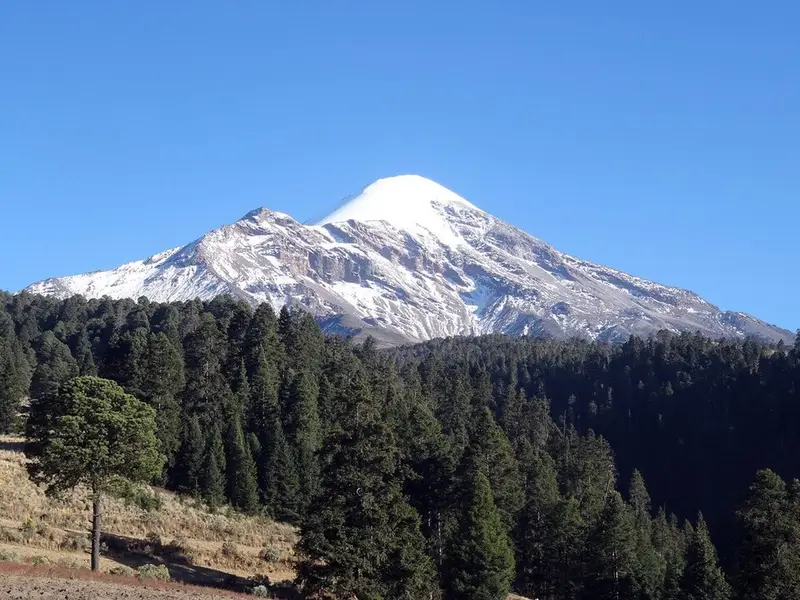 Pico de Orizaba
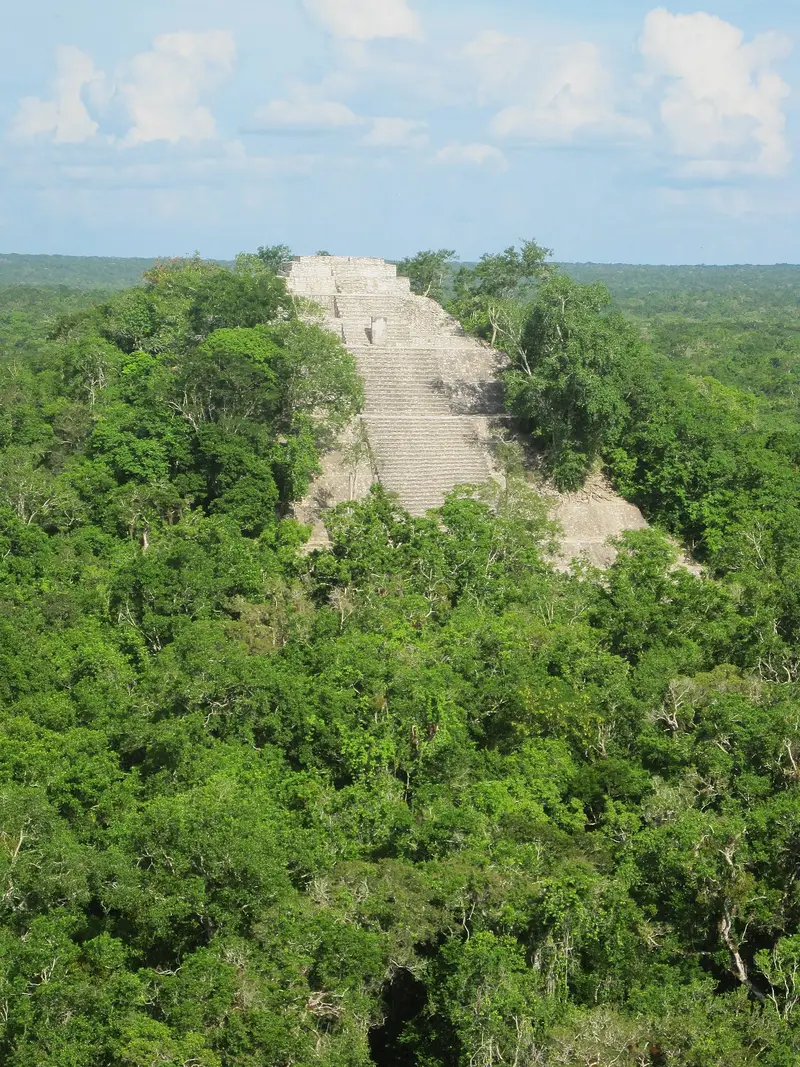 CalakmulUNESCO World Heritage
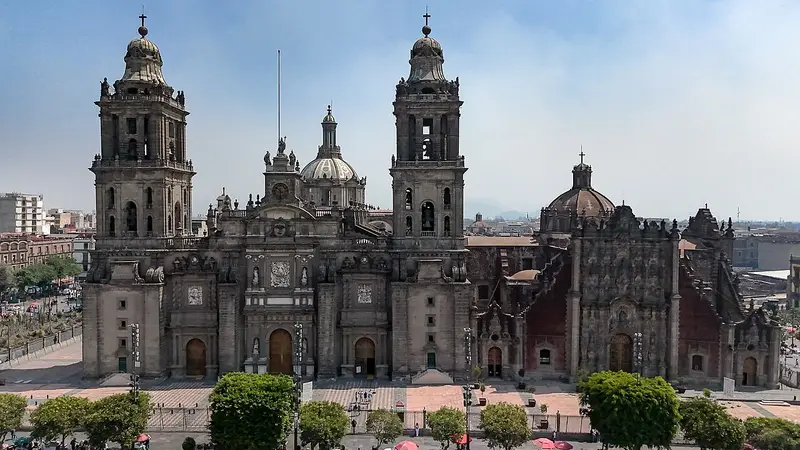 Mexico City Metropolitan Cathedral
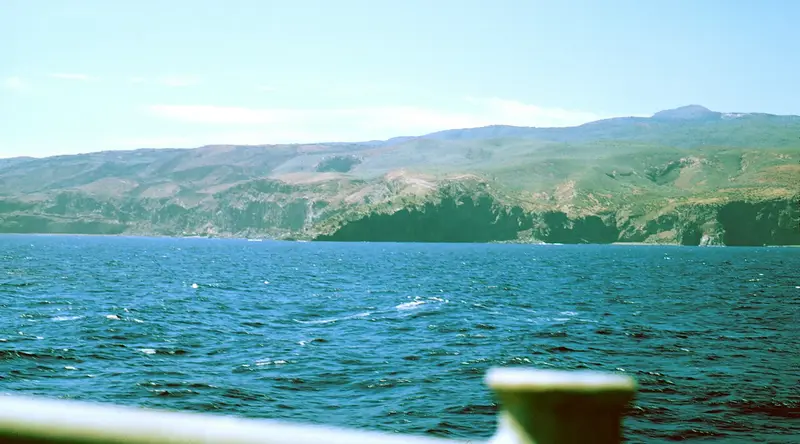 Socorro IslandUNESCO World Heritage
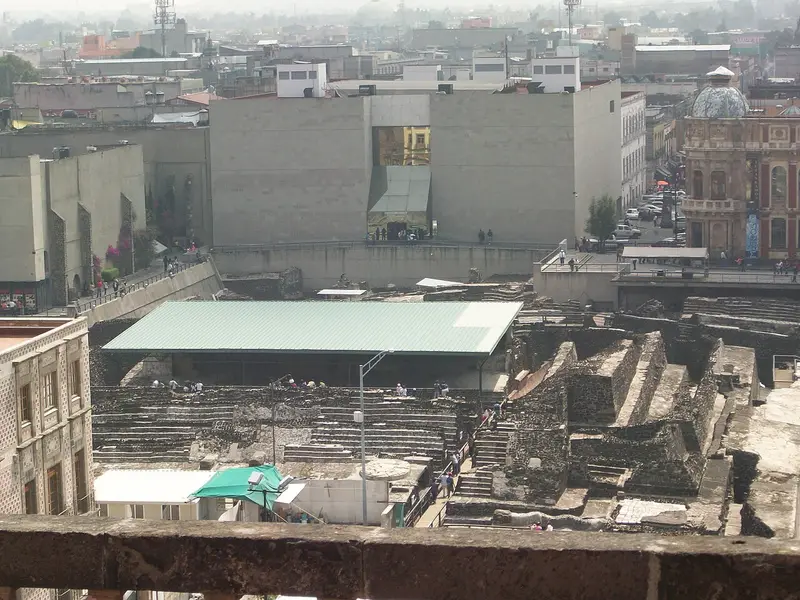 Templo Mayor
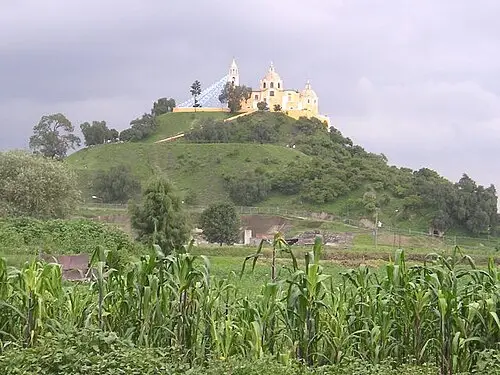 Great Pyramid of Cholula
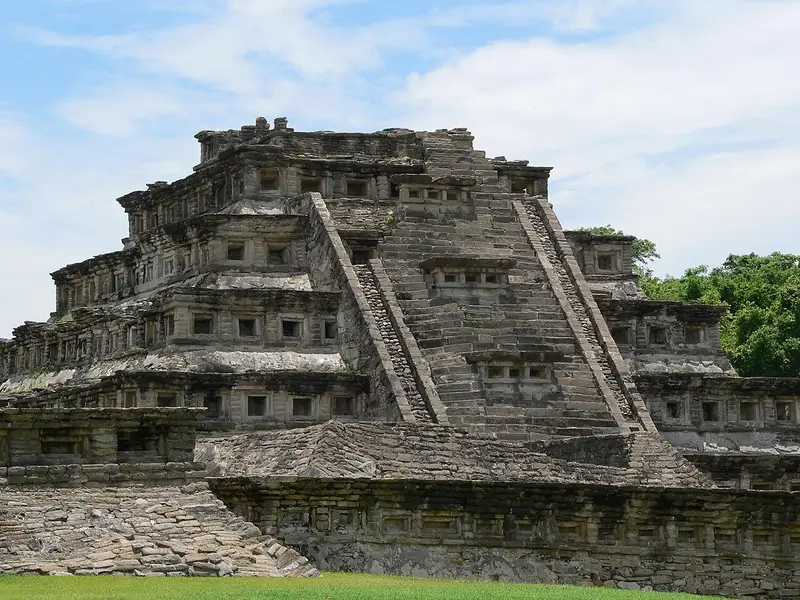 El TajínUNESCO World Heritage
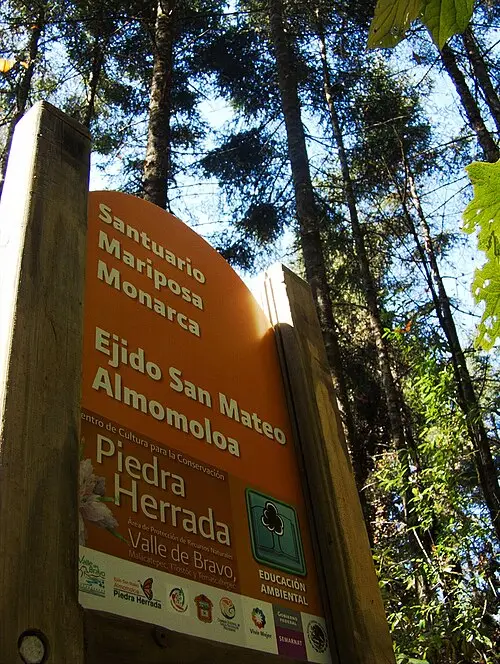 Monarch Butterfly Biosphere ReserveUNESCO World Heritage
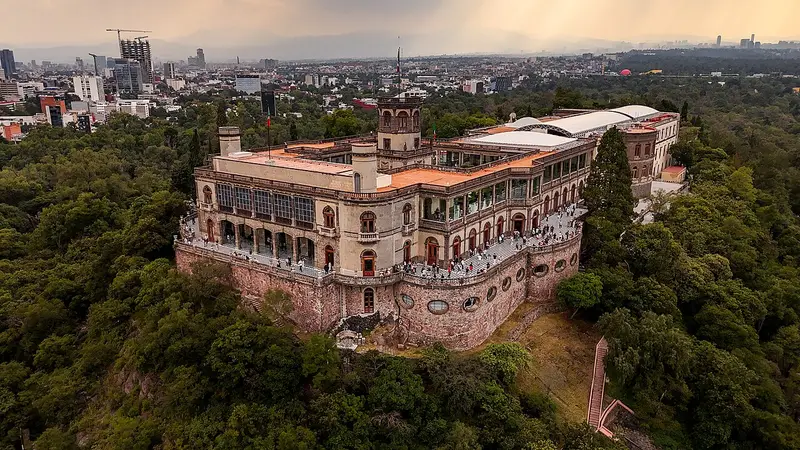 Chapultepec Castle
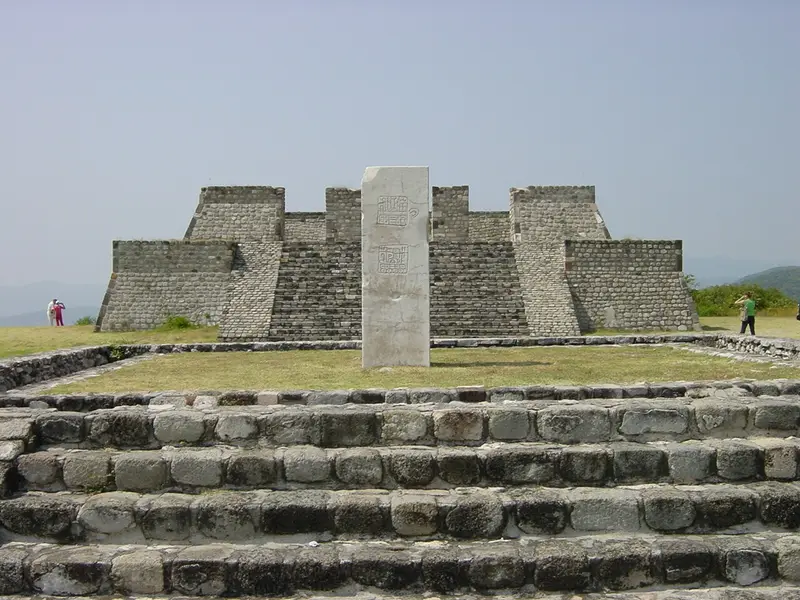 XochicalcoUNESCO World Heritage
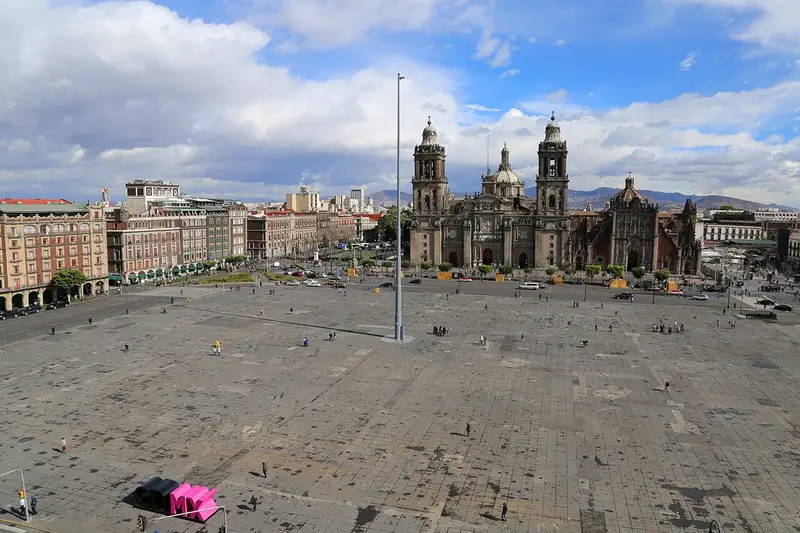 Zócalo
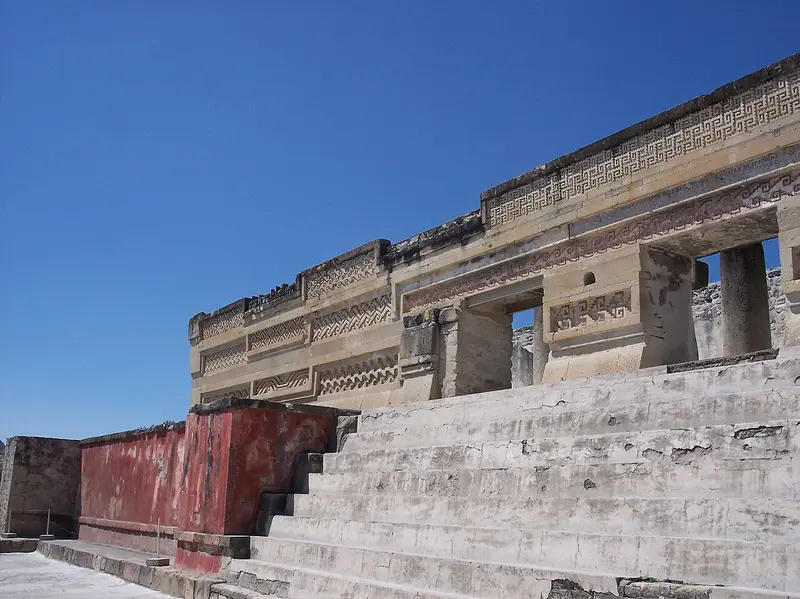 MitlaUNESCO World Heritage
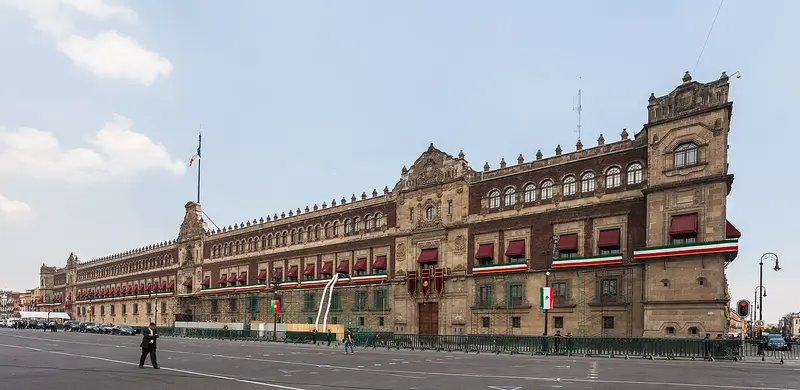 National Palace
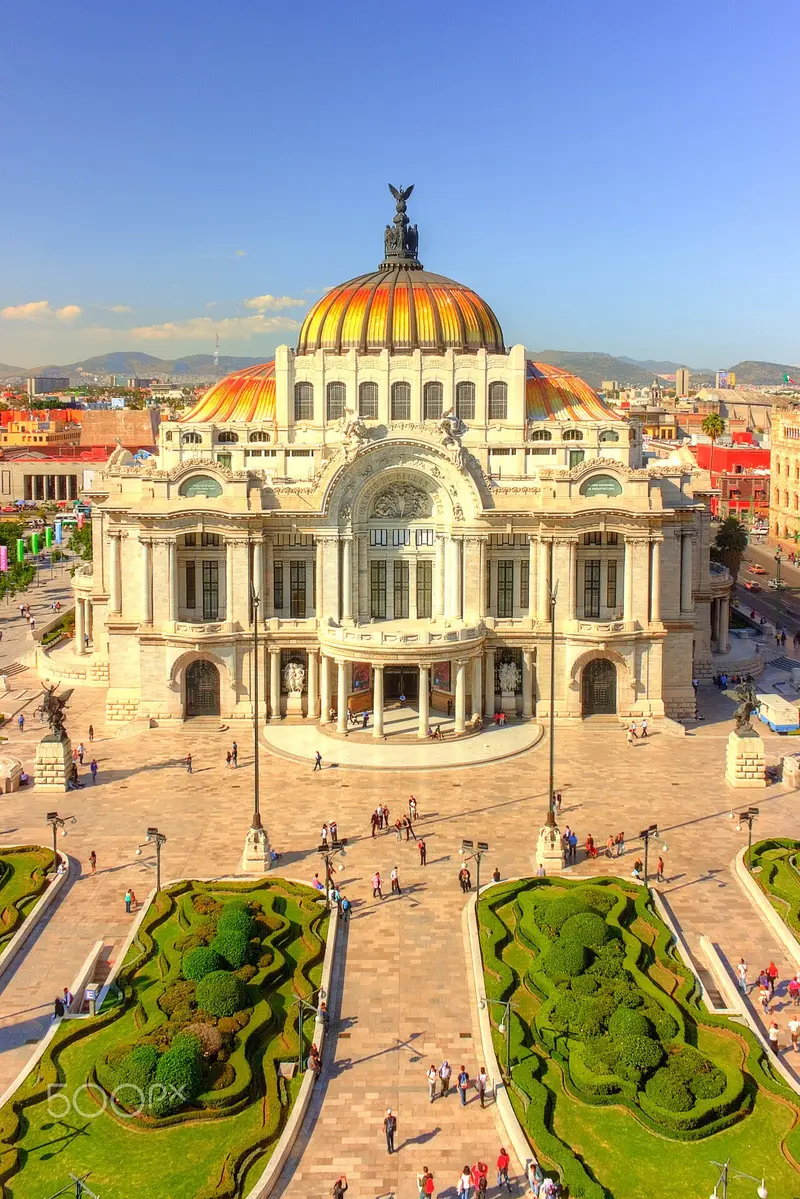 Palacio de Bellas Artes
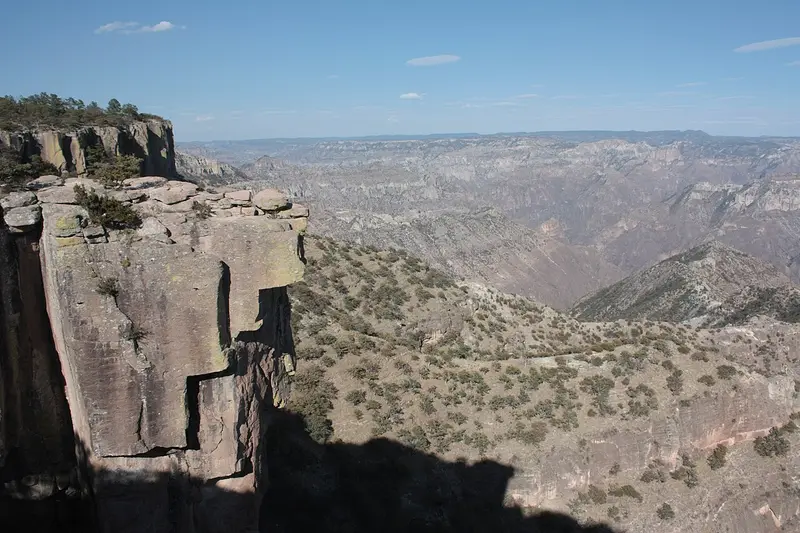 Copper Canyon
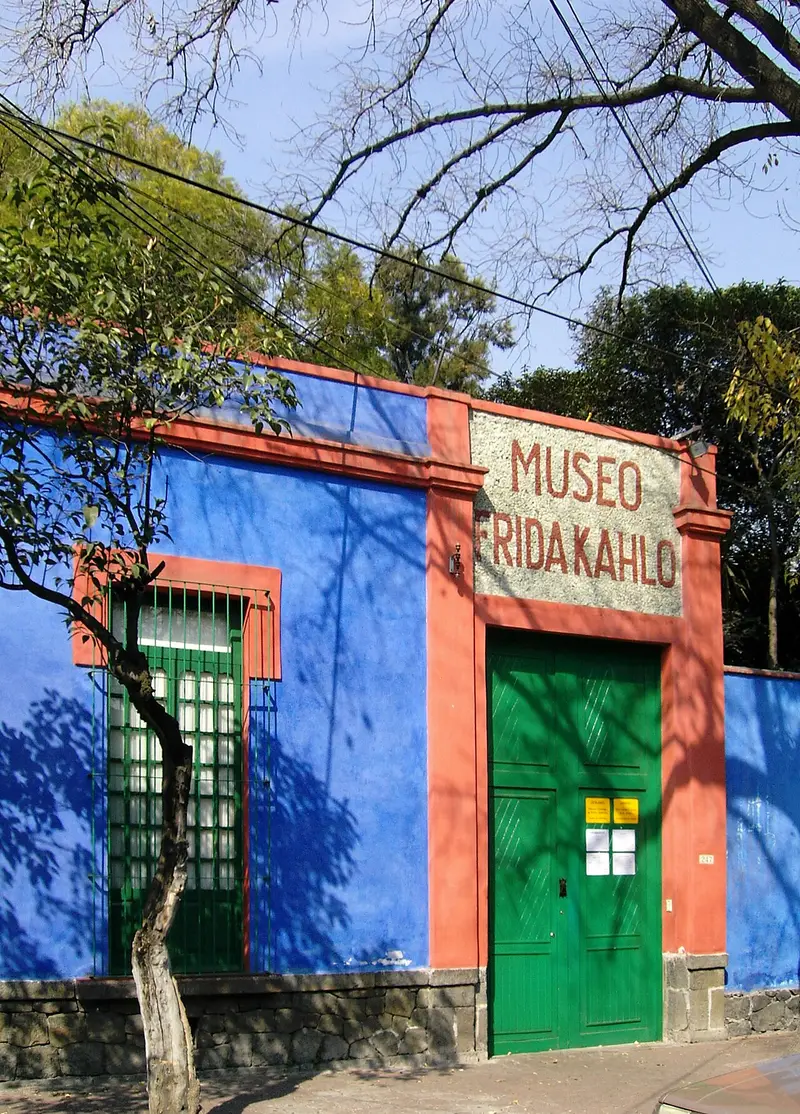 Frida Kahlo Museum
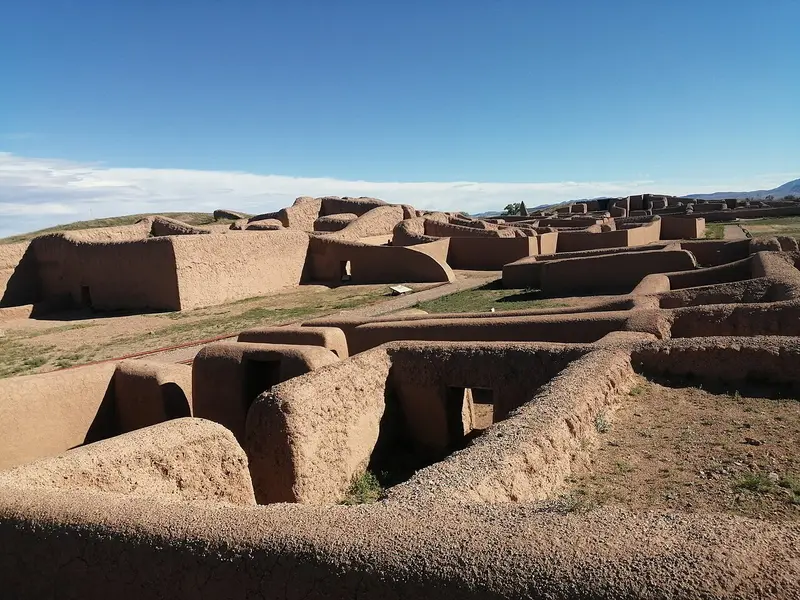 Casas GrandesUNESCO World Heritage
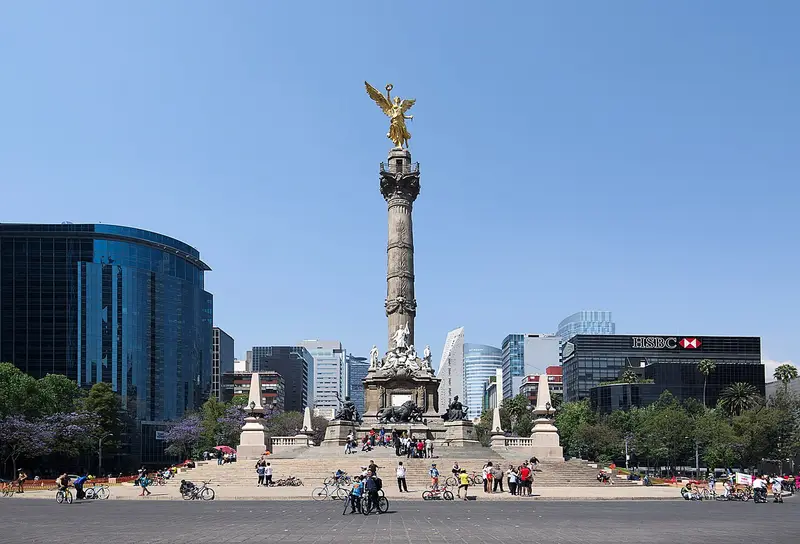 Angel of Independence
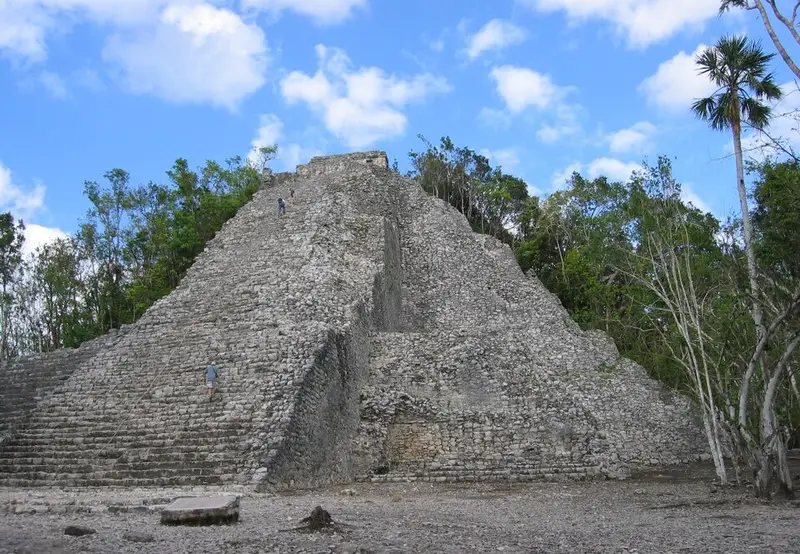 Coba
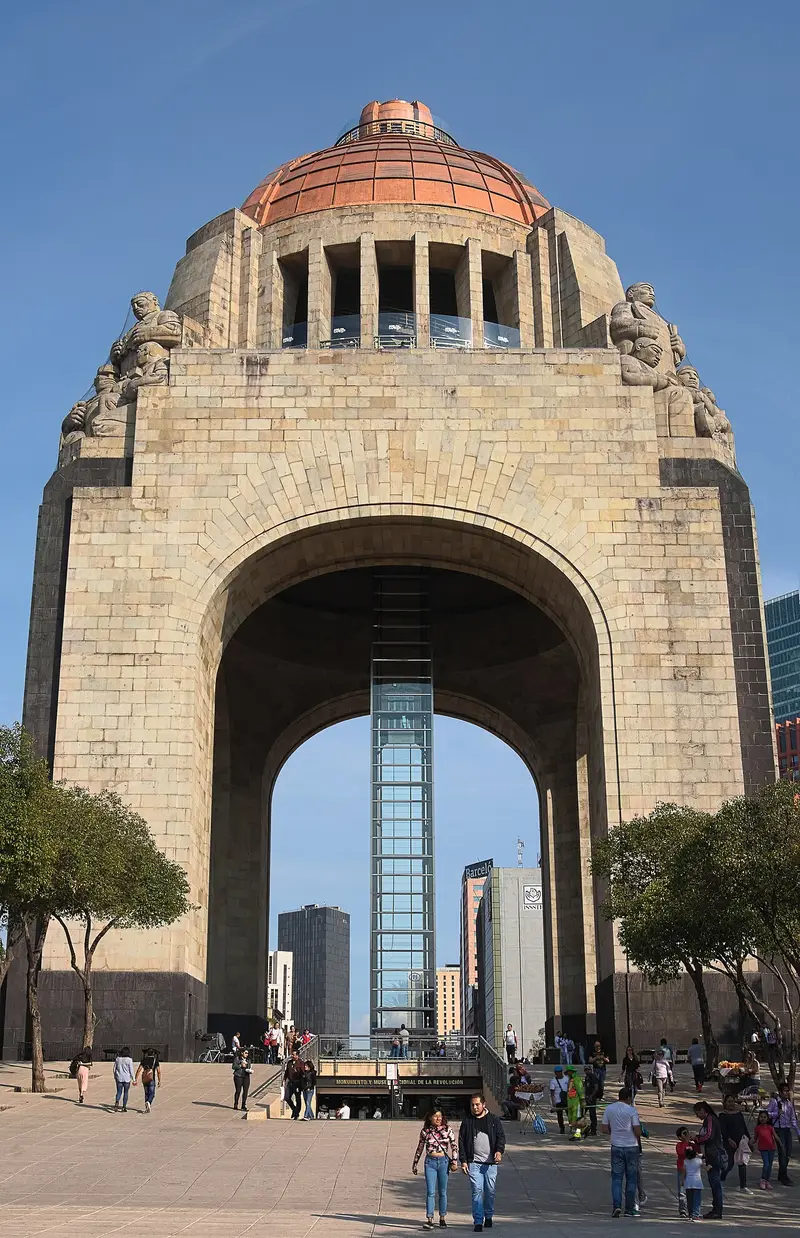 Monumento a la Revolución
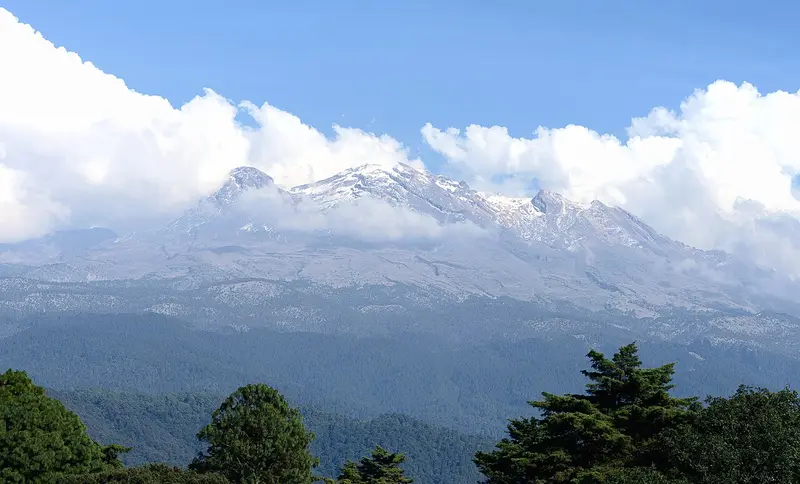 Iztaccihuatl
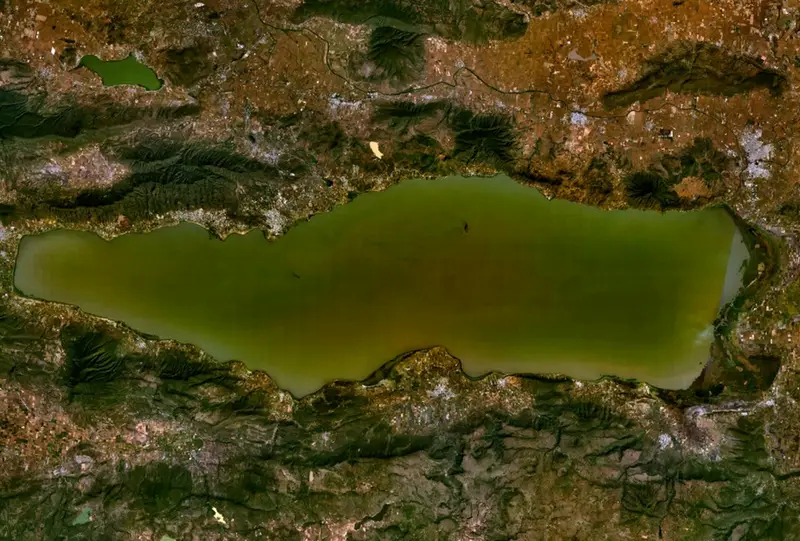 Lake Chapala
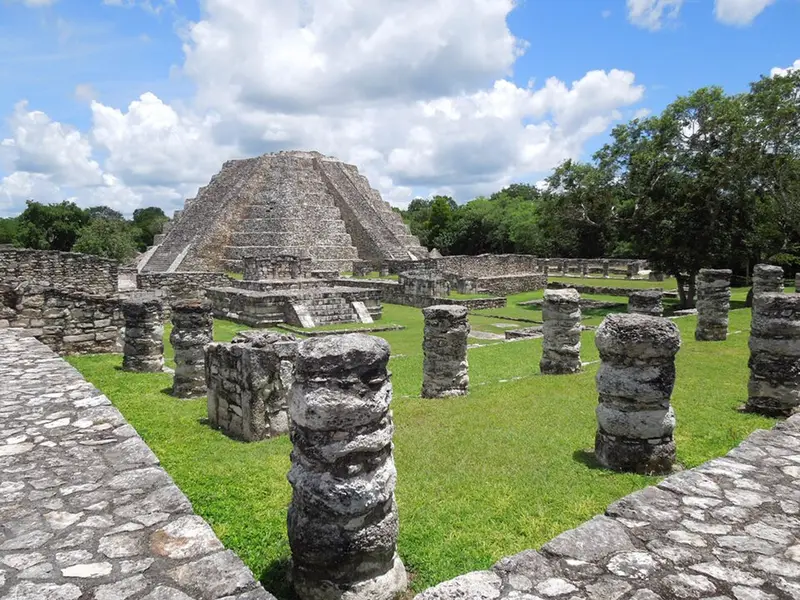 Mayapan
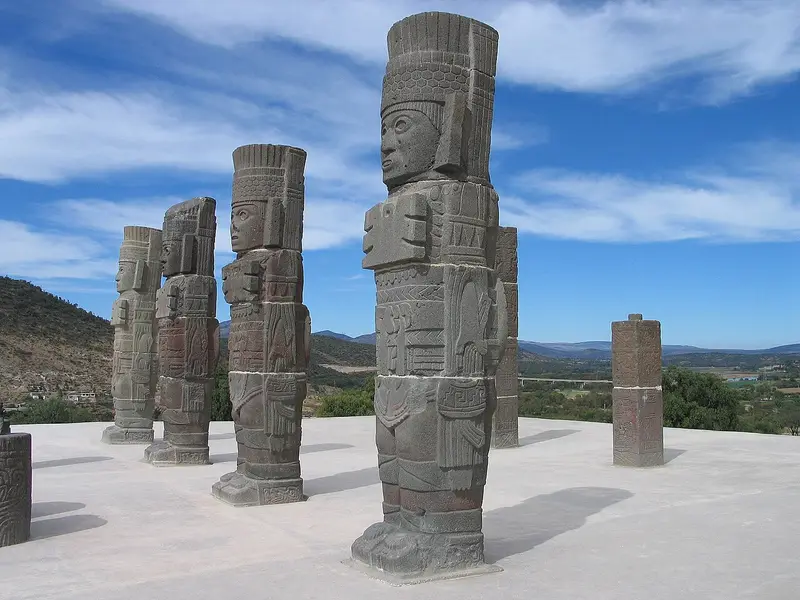 Tula
 Volcán de Colima
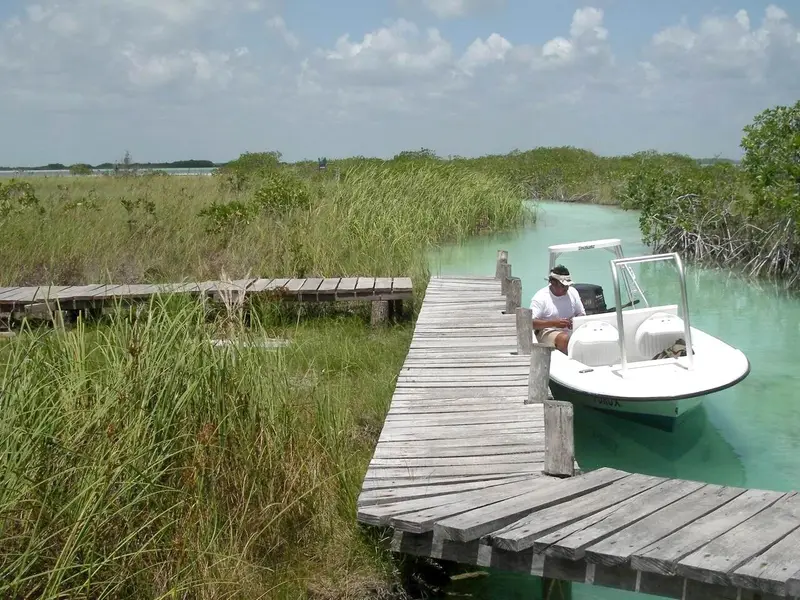 Sian Ka'anUNESCO World Heritage
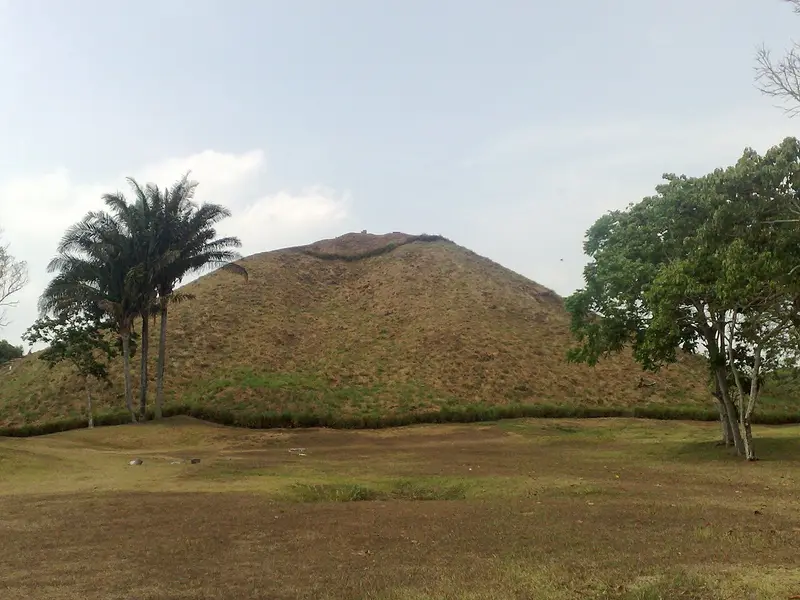 La Venta
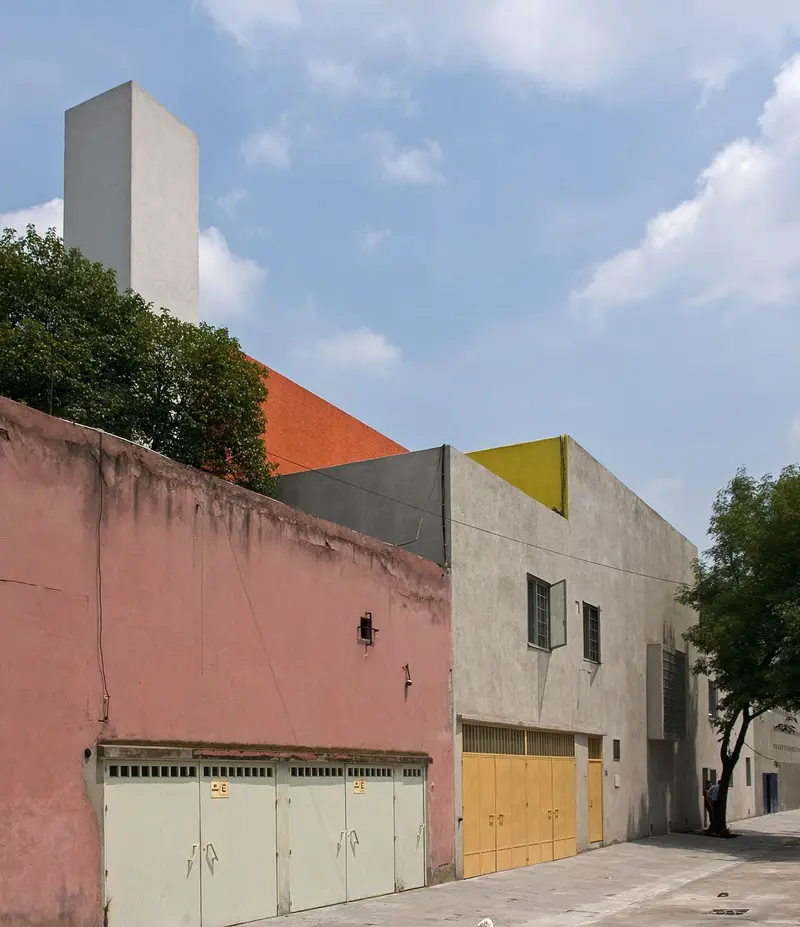 Luis Barragán House and StudioUNESCO World Heritage
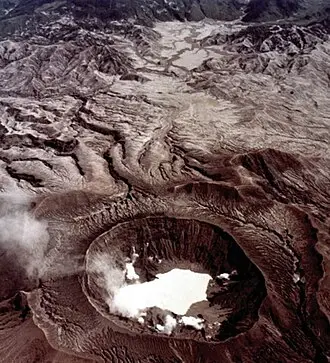 El Chichón
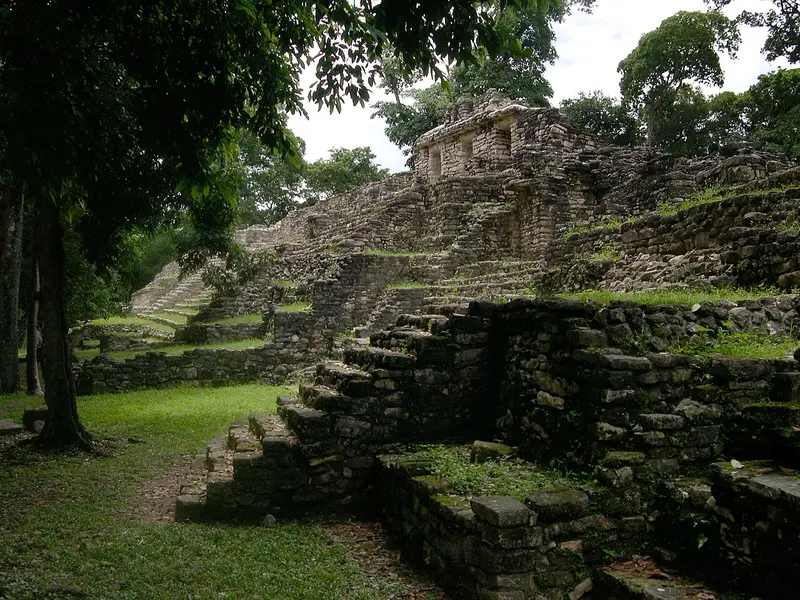 Yaxchilan
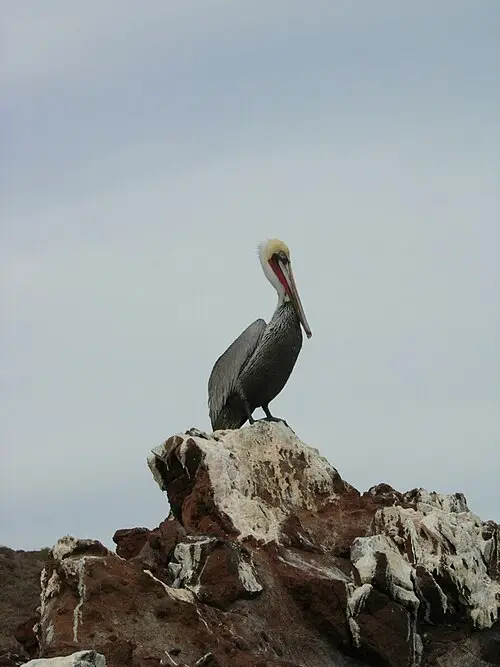 El Vizcaíno Biosphere ReserveUNESCO World Heritage
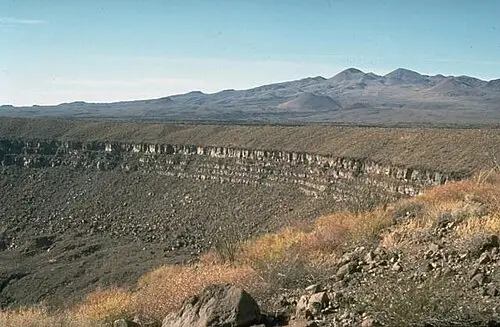 El Pinacate y Gran Desierto de Altar Biosphere ReserveUNESCO World Heritage
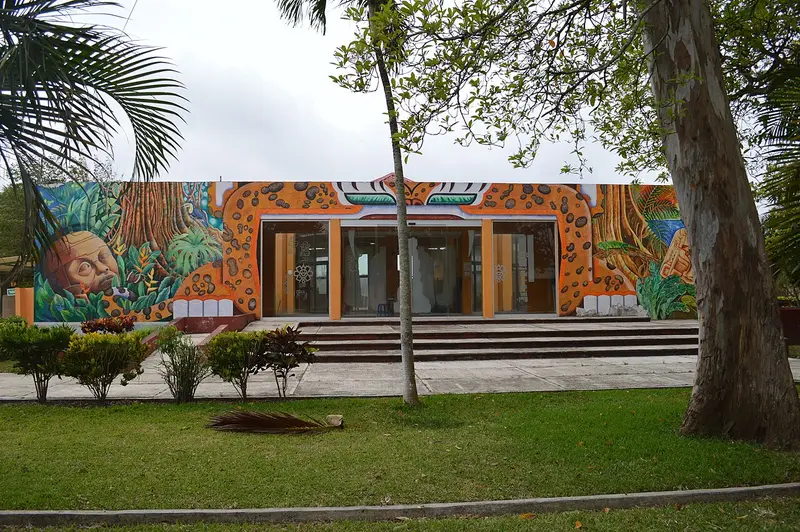 Tres Zapotes
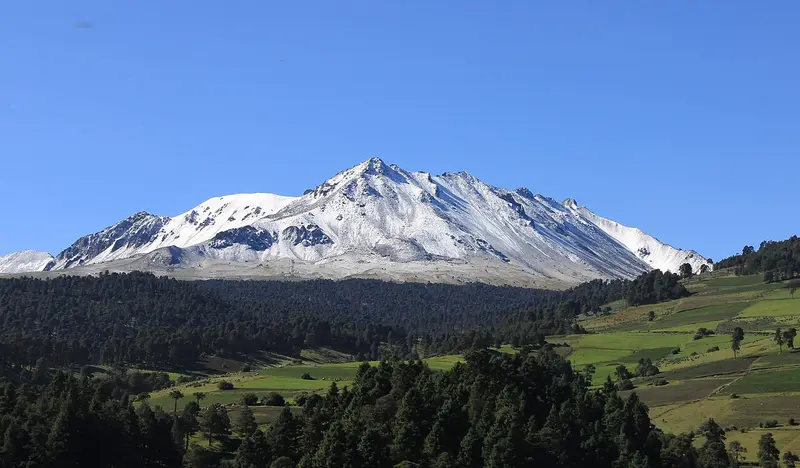 Nevado de Toluca
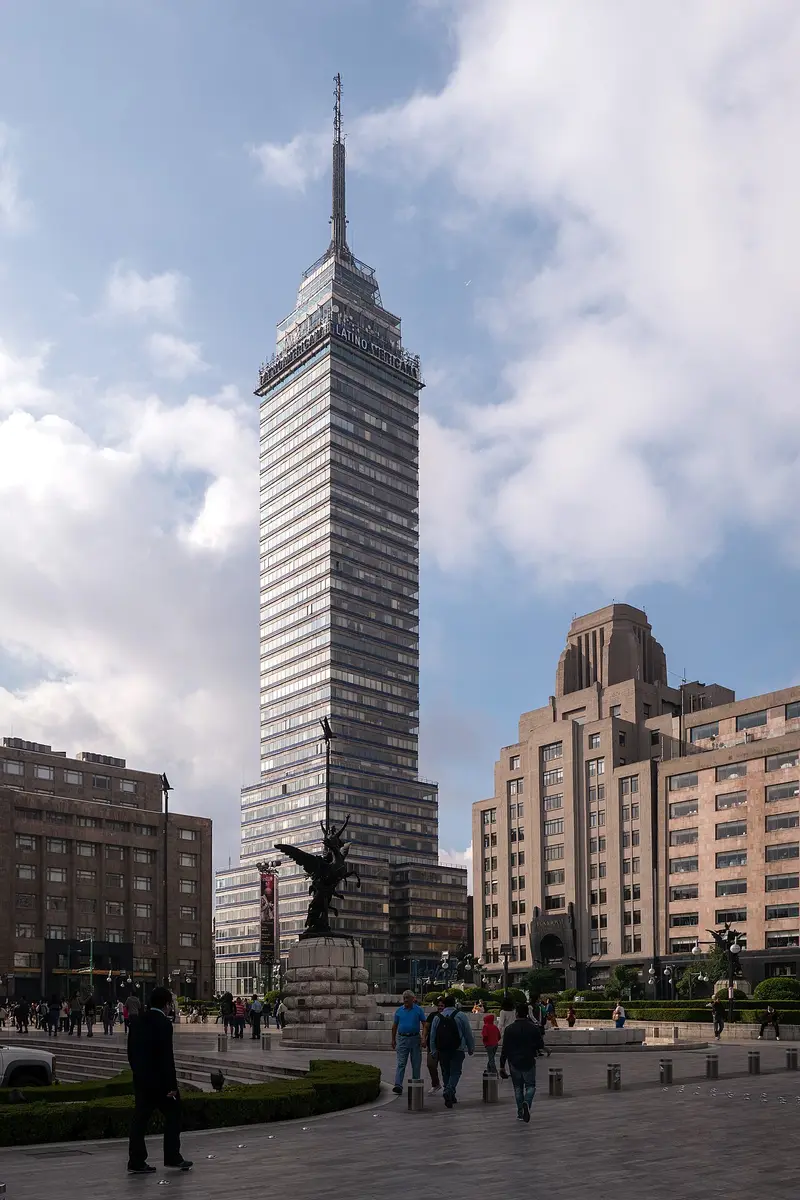 Torre Latinoamericana
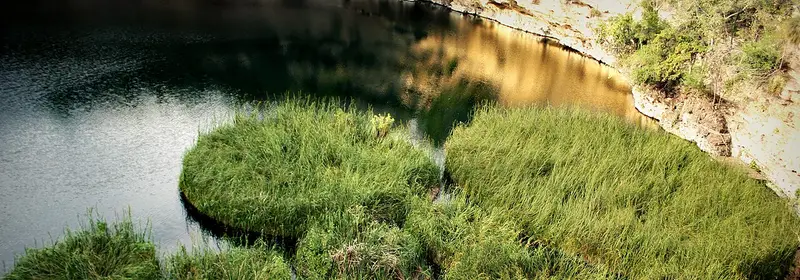 Zacatón
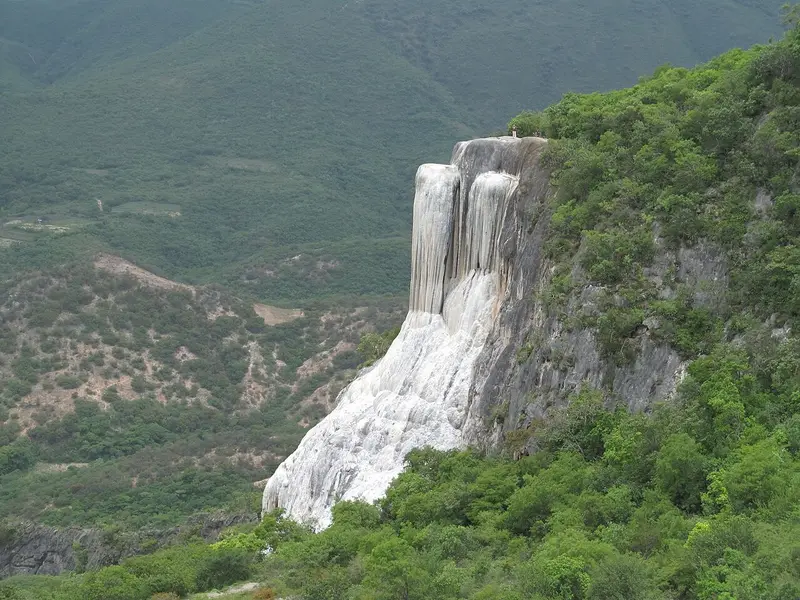 Hierve el Agua
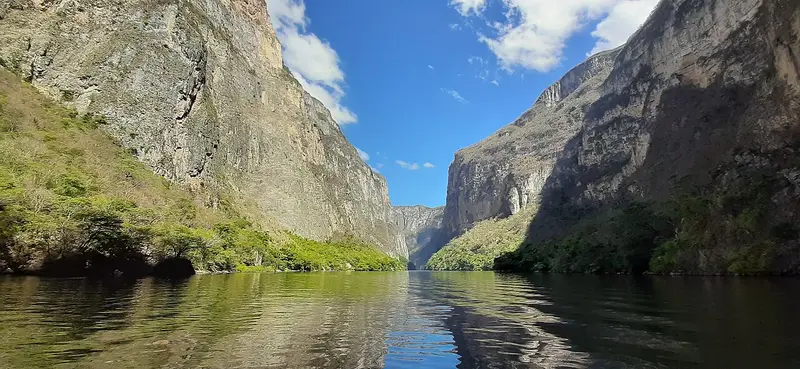 Sumidero Canyon
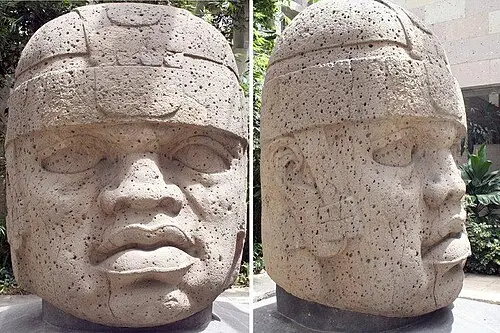 San Lorenzo Tenochtitlán
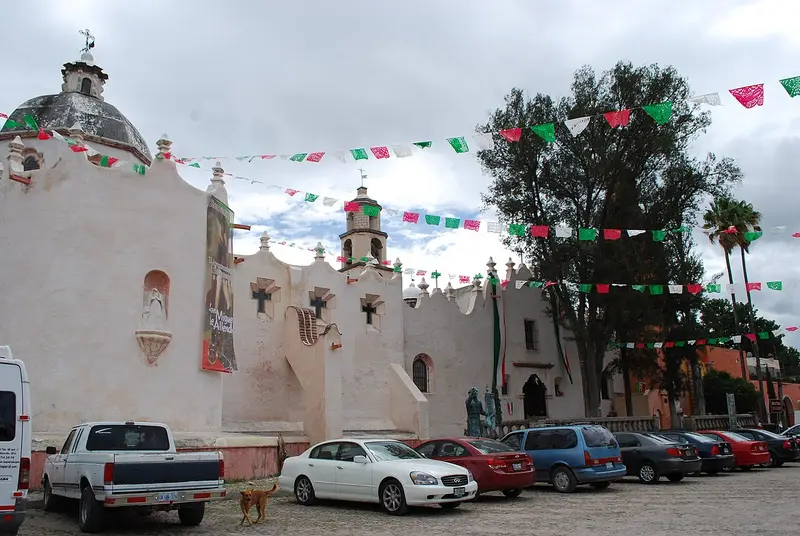 Sanctuary of AtotonilcoUNESCO World Heritage
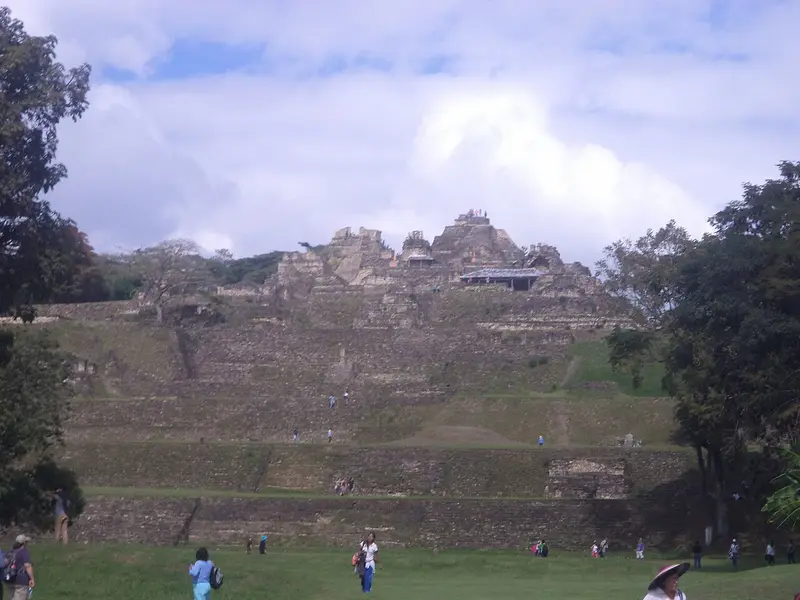 Toniná
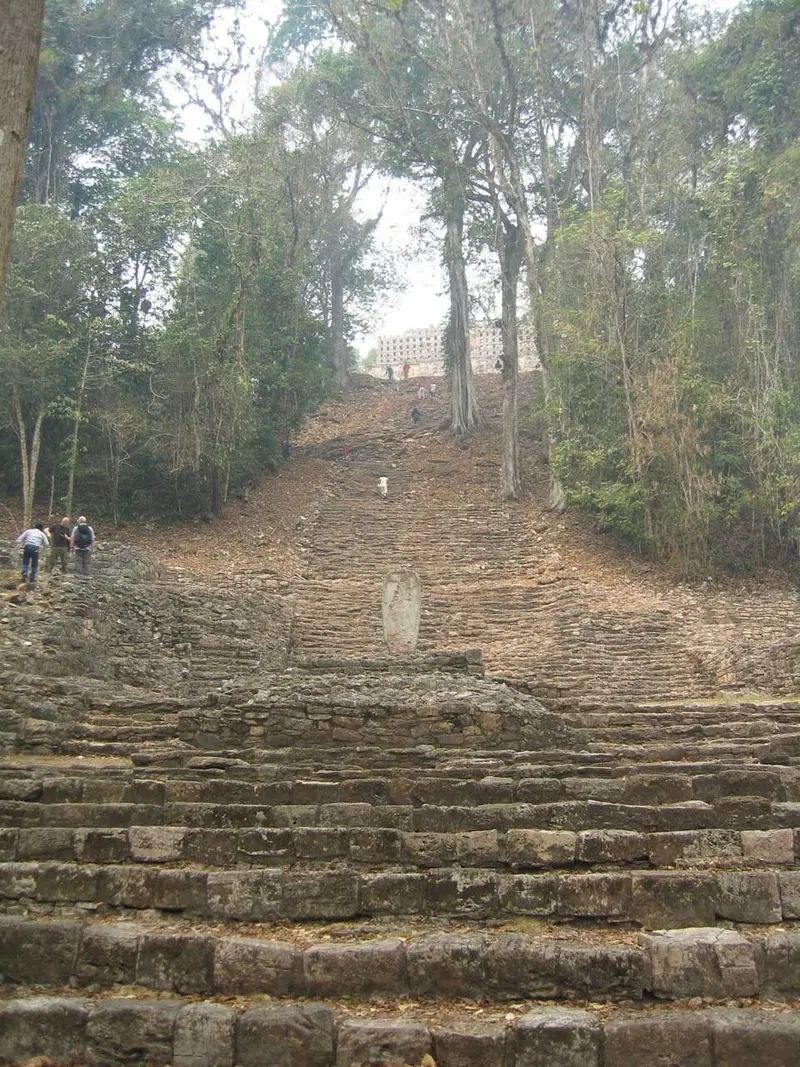 Bonampak
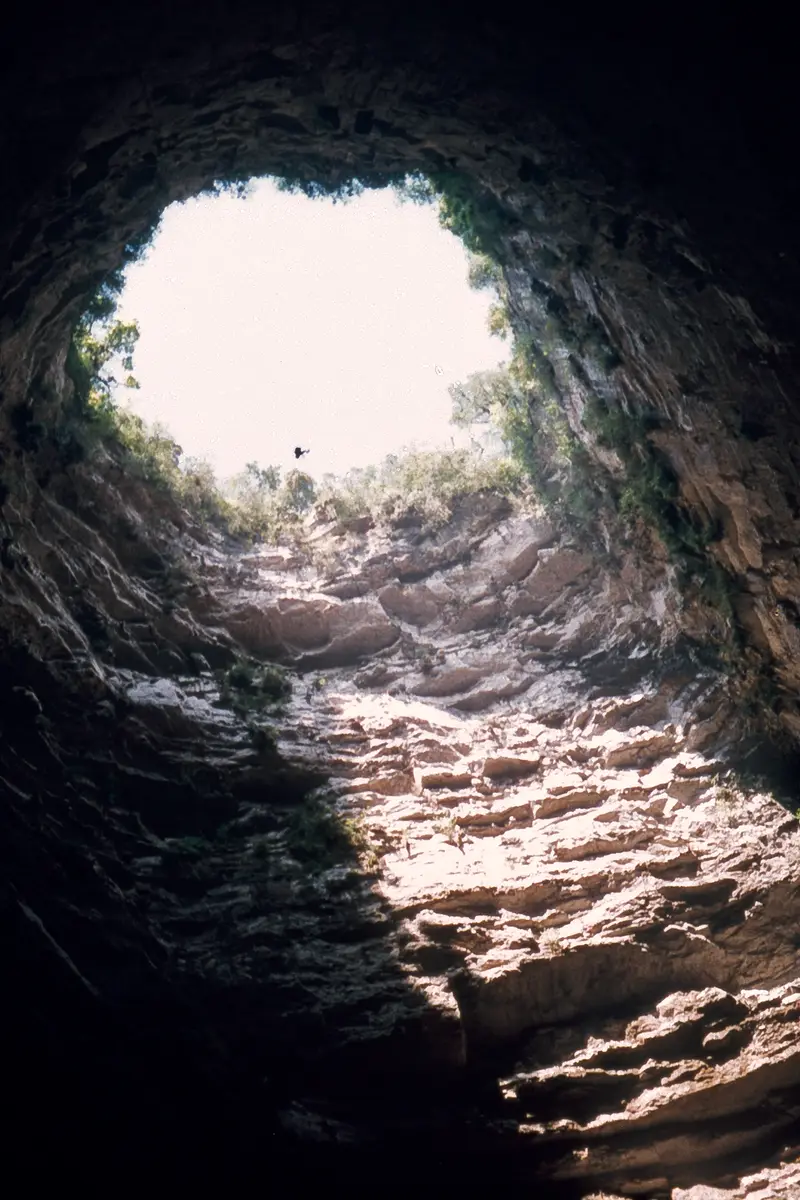 Cave of Swallows
 KabahUNESCO World Heritage
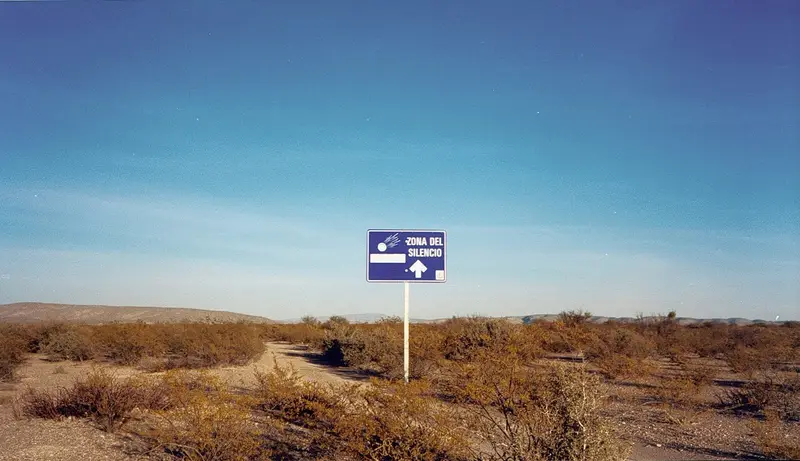 Mapimí Silent Zone
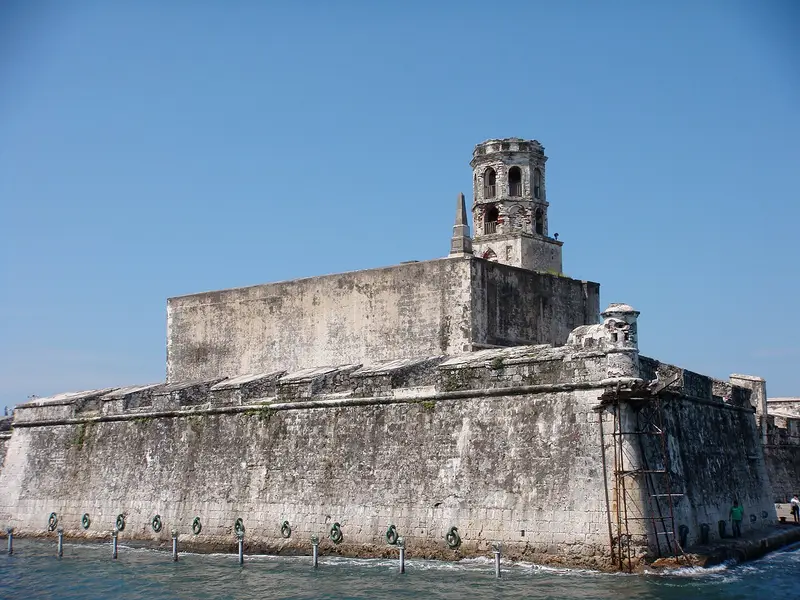 San Juan de Ulúa
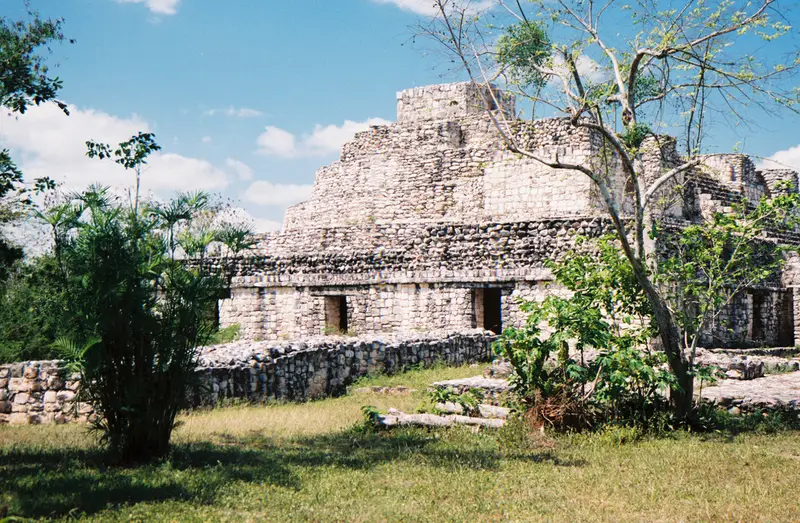 Ek' Balam
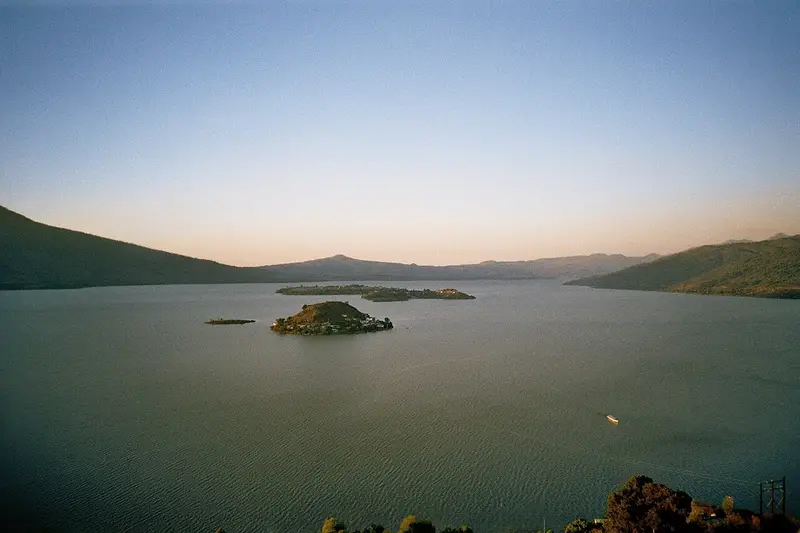 Lake Pátzcuaro
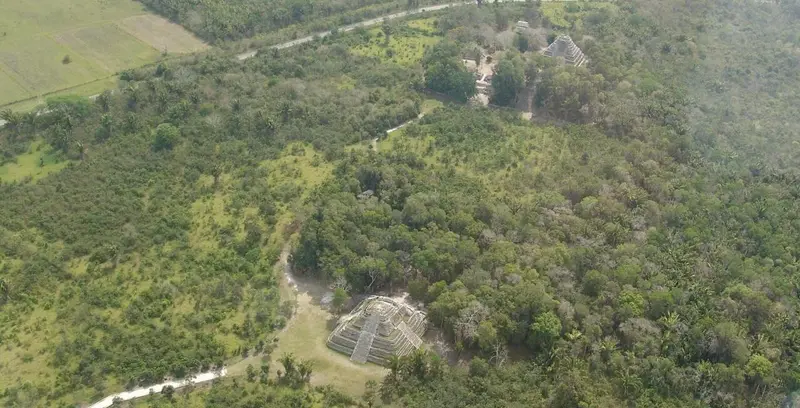 Chacchoben
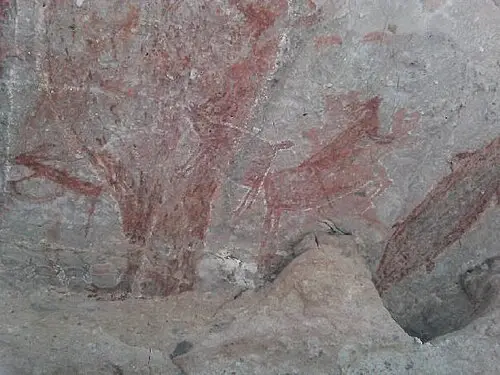 Rock Paintings of Sierra de San FranciscoUNESCO World Heritage
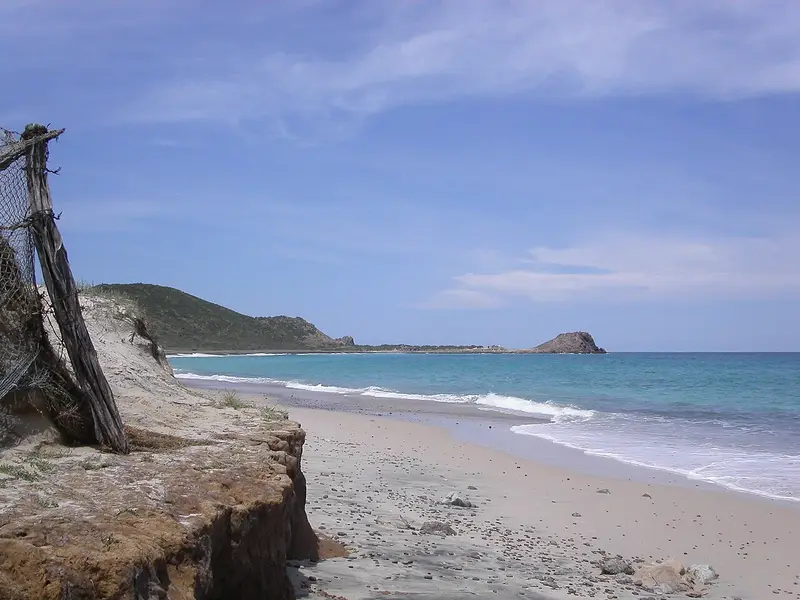 Cabo Pulmo National ParkUNESCO World Heritage
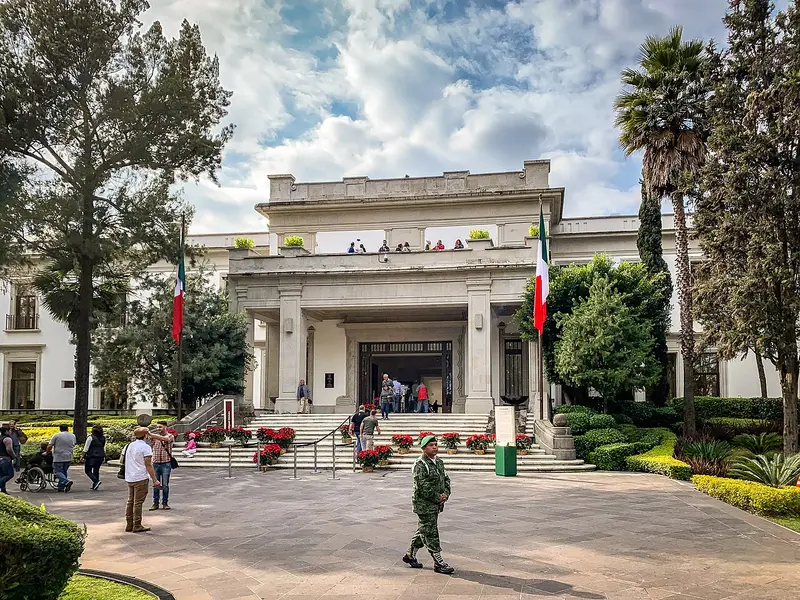 Los Pinos
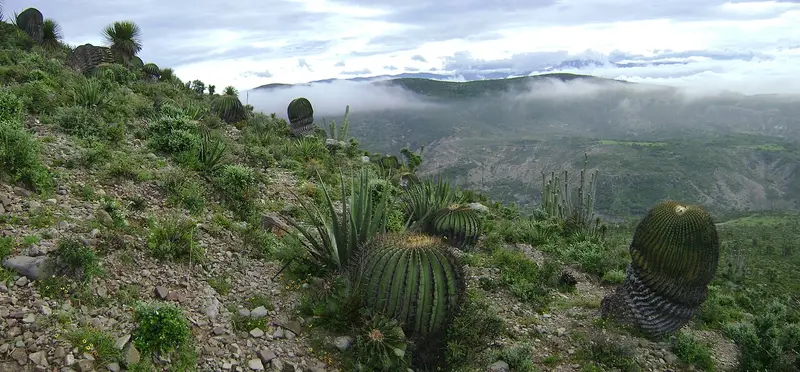 Tehuacán-Cuicatlán Biosphere ReserveUNESCO World Heritage
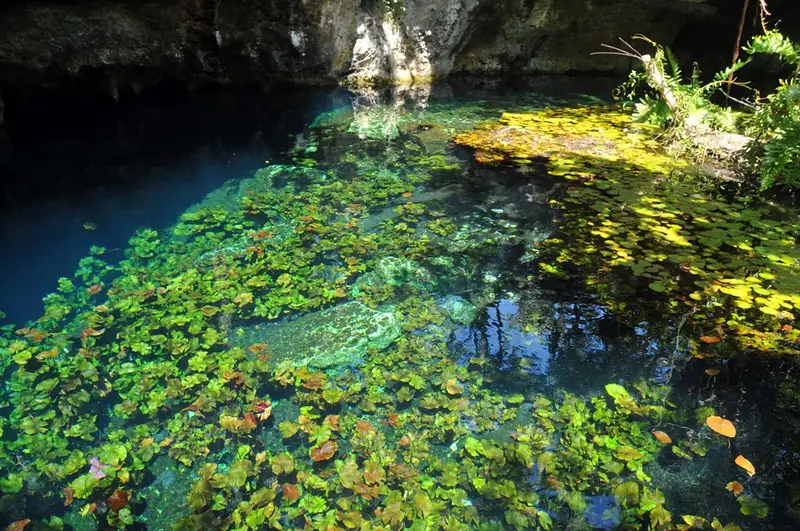 Sistema Sac Actun
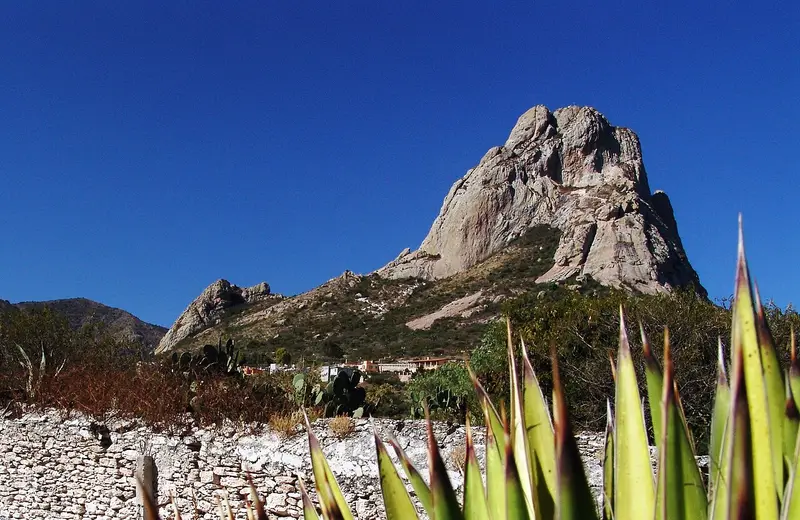 Peña de Bernal
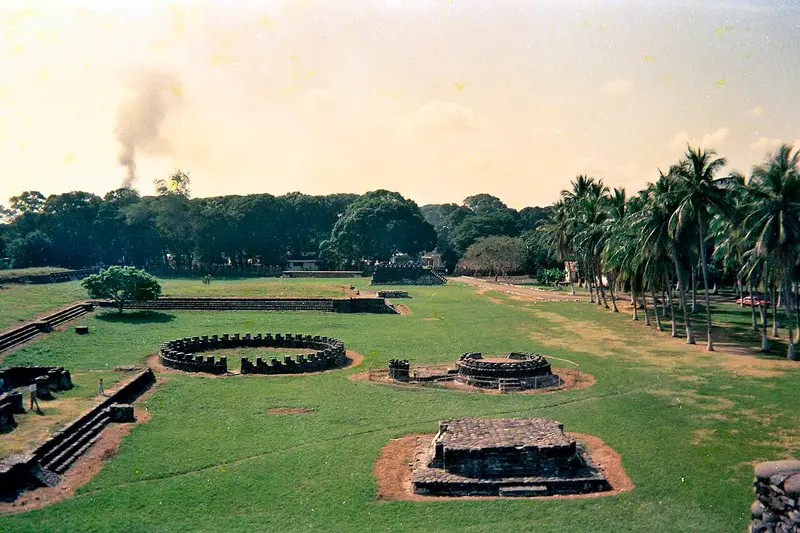 Cempoala
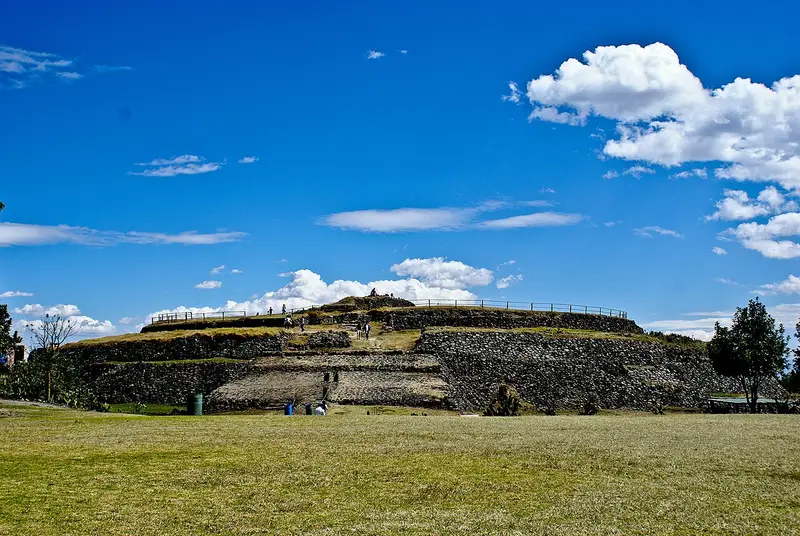 Cuicuilco
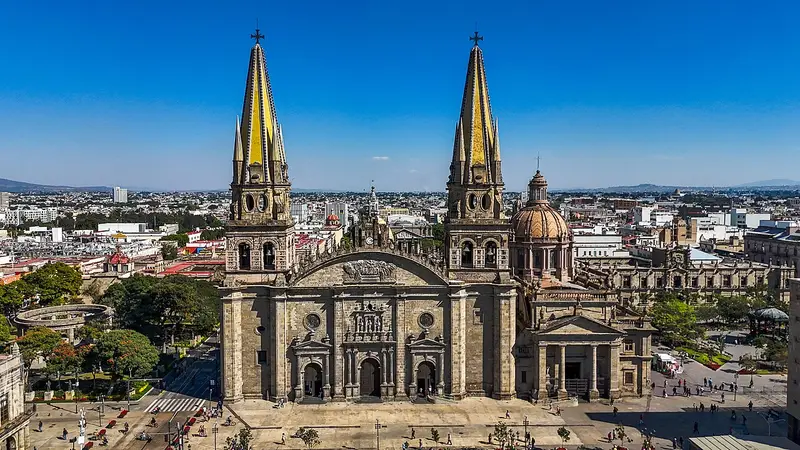 Guadalajara Cathedral
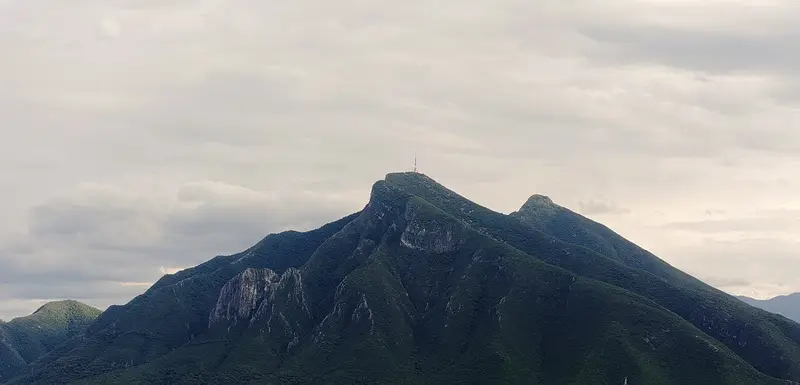 Cerro de la Silla
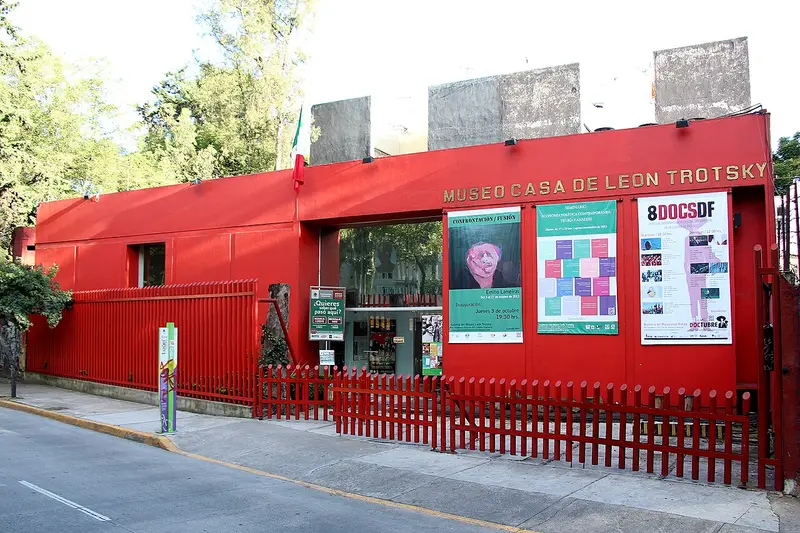 Leon Trotsky House Museum
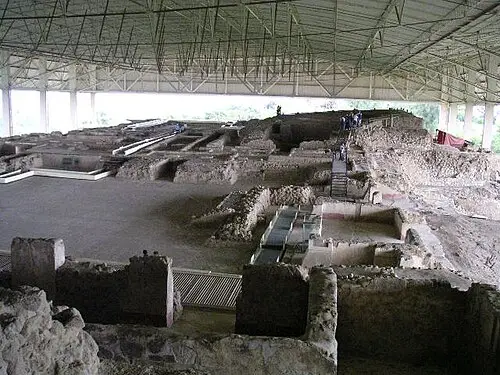 Cacaxtla
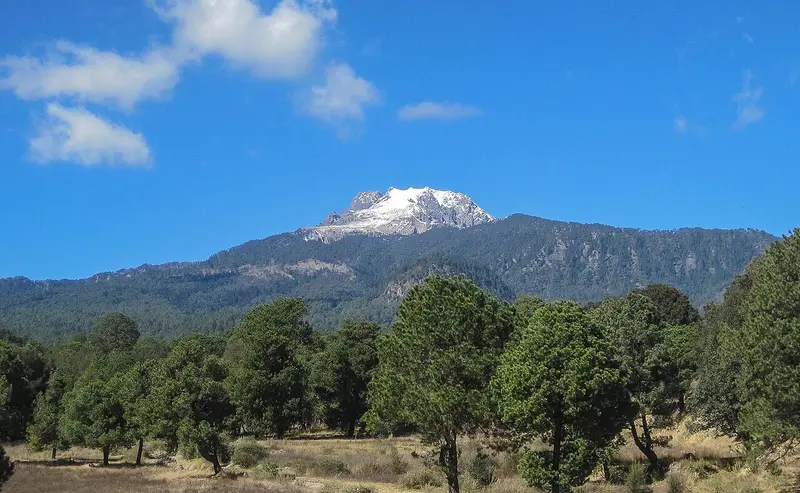 Malinche
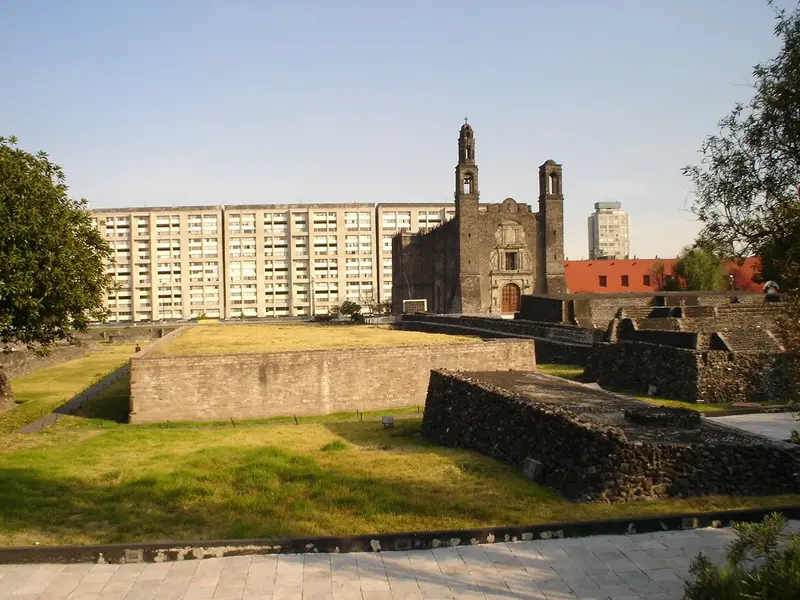 Plaza de las Tres Culturas
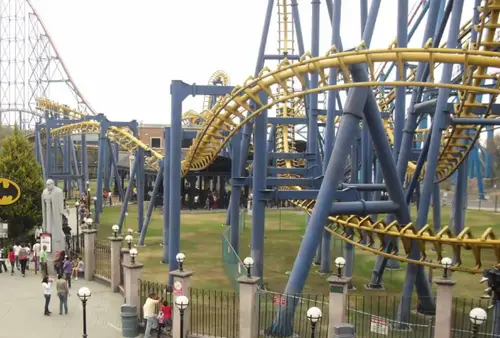 Six Flags México
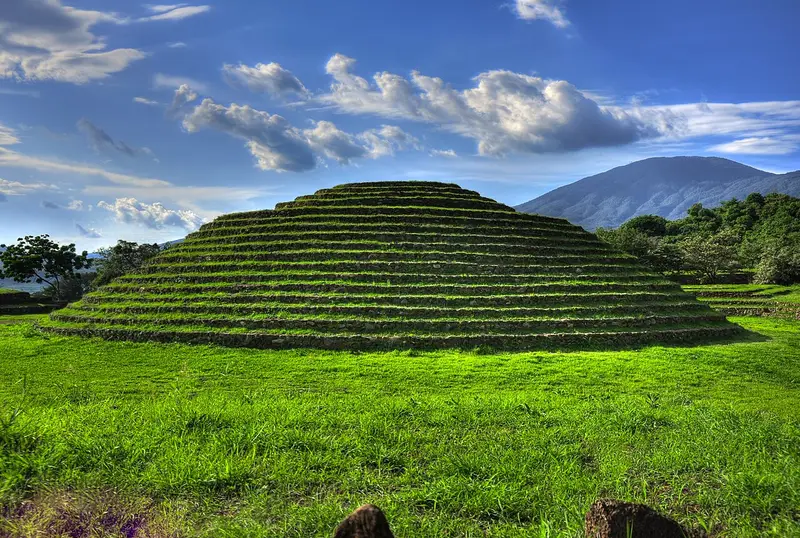 GuachimontonesUNESCO World Heritage
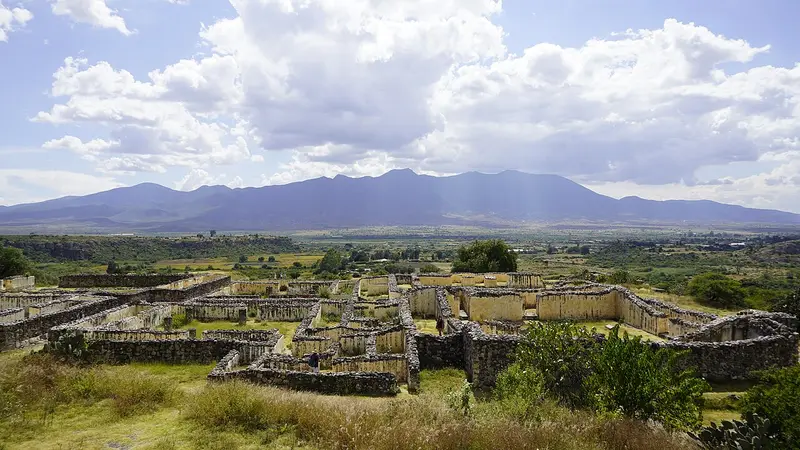 YagulUNESCO World Heritage
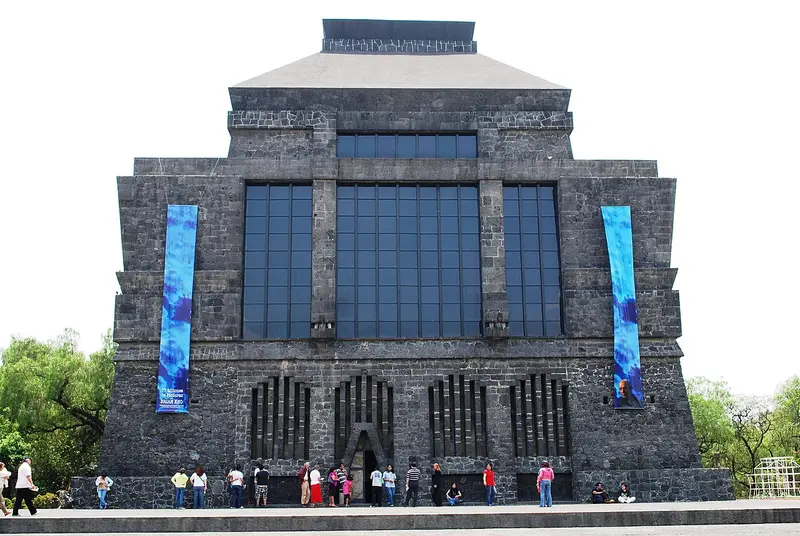 Anahuacalli Museum
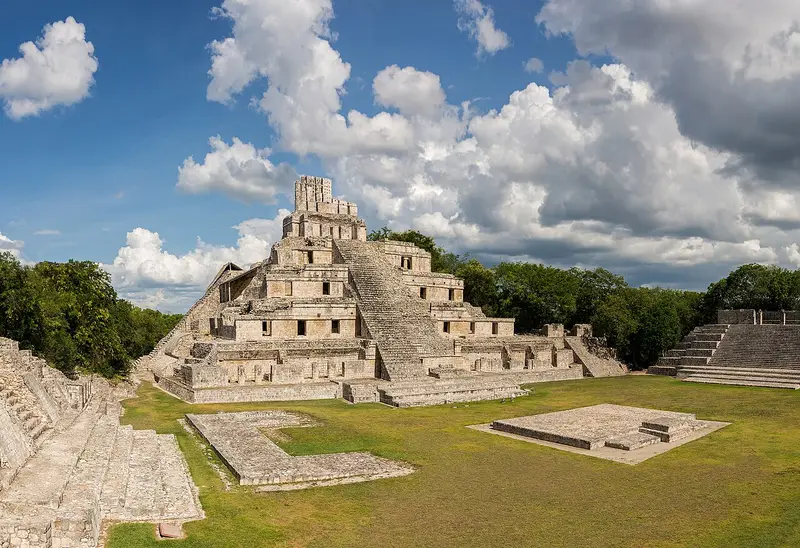 Edzna
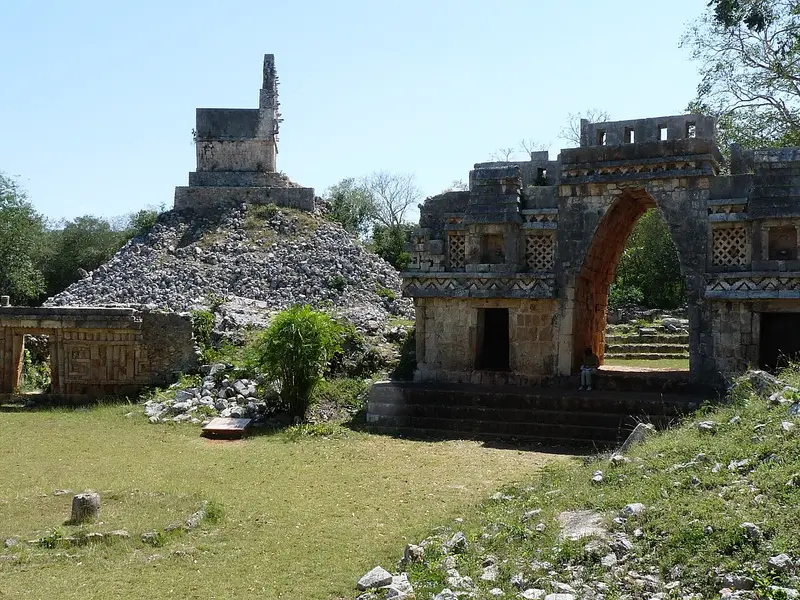 LabnaUNESCO World Heritage
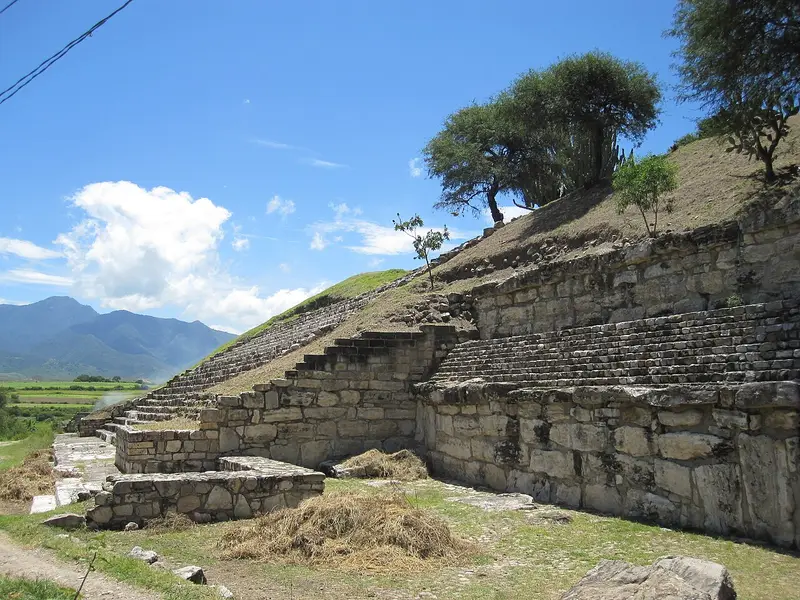 San José Mogote
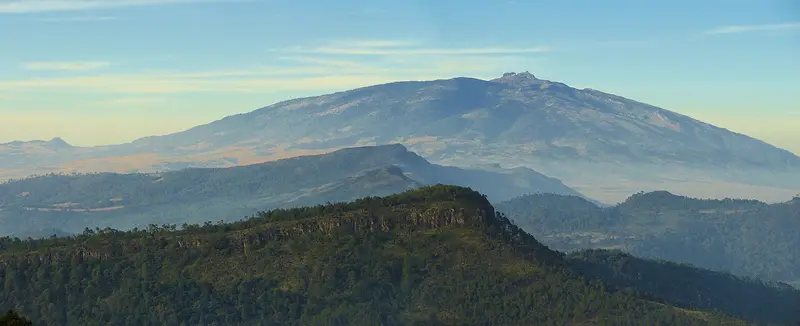 Cofre de Perote
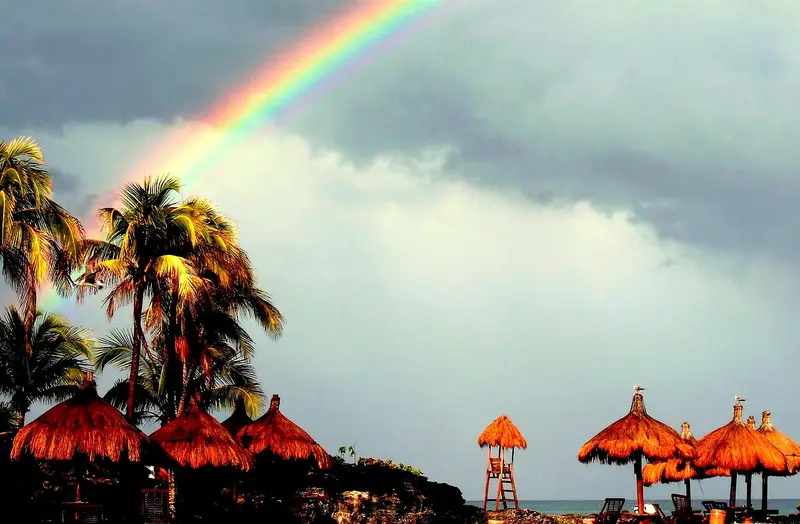 Xcaret Park
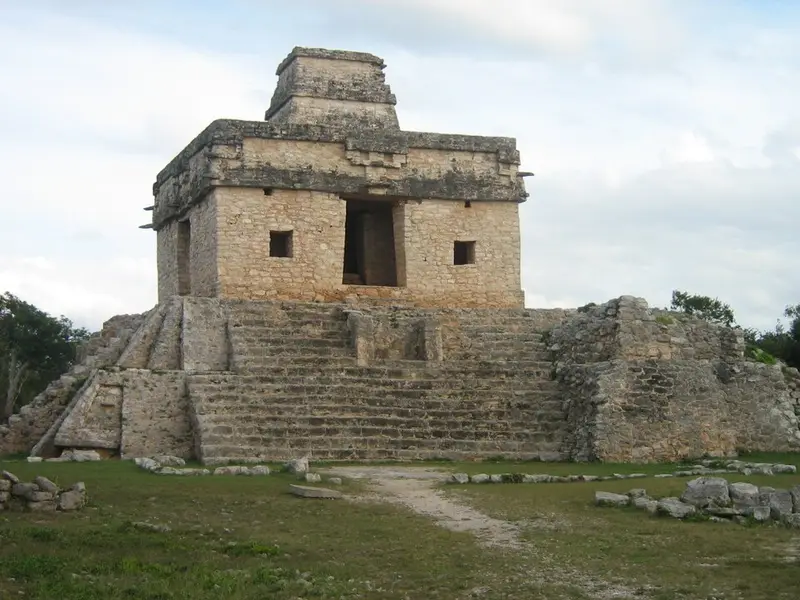 Dzibilchaltun
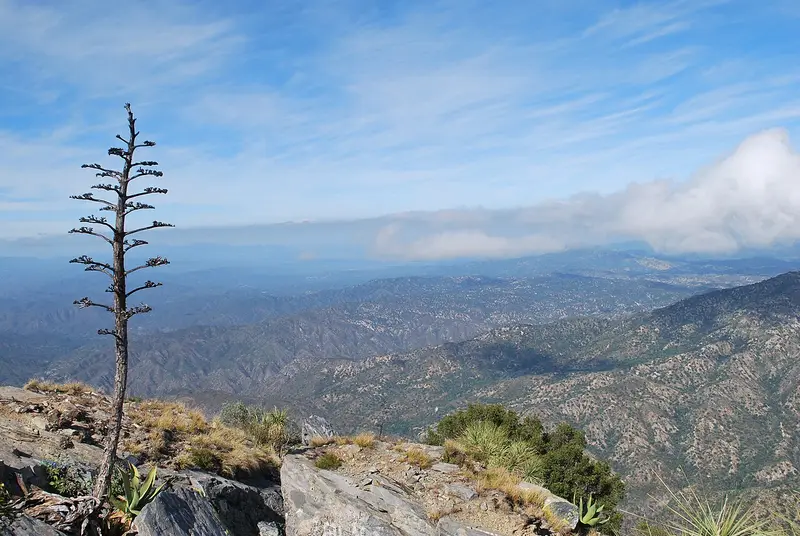 Sierra de la Laguna
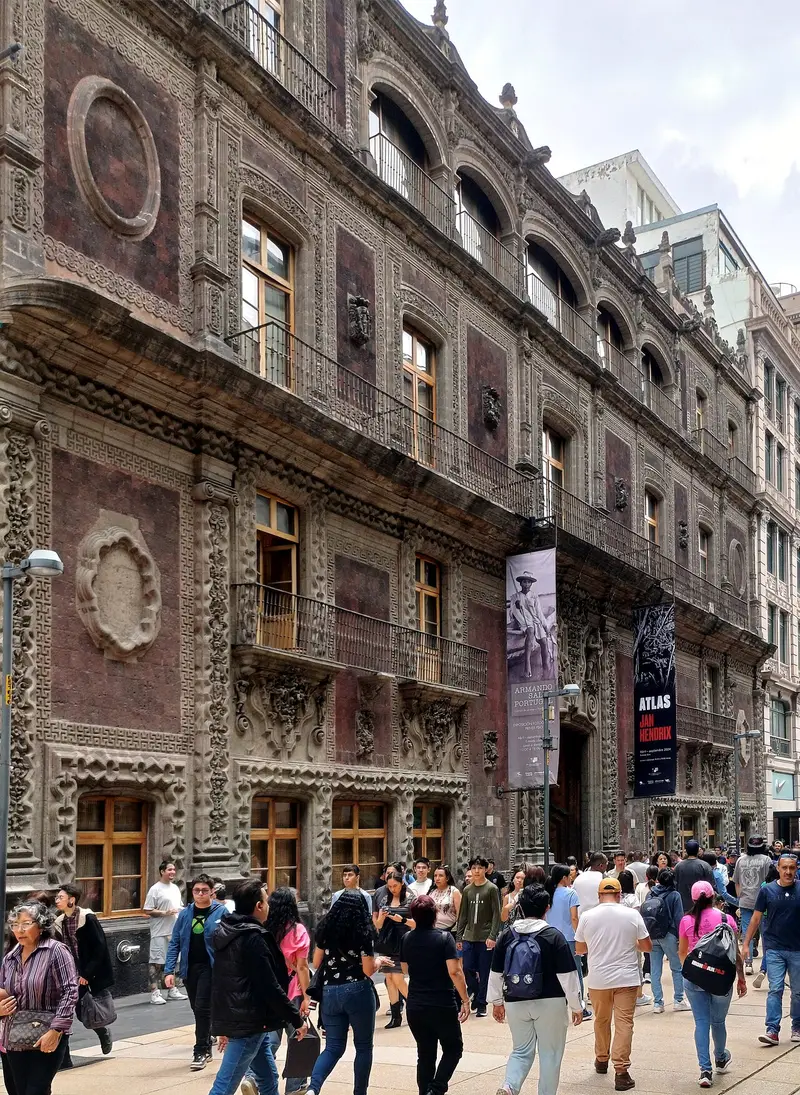 Palace of Iturbide
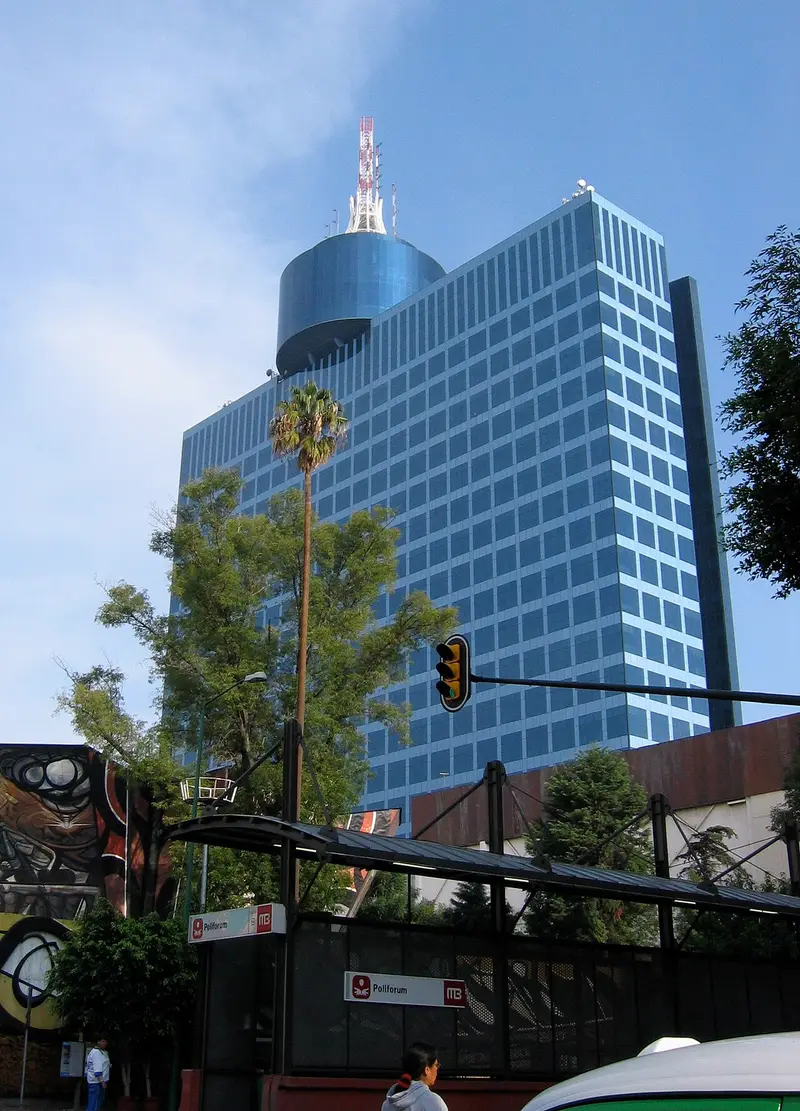 World Trade Center Mexico City
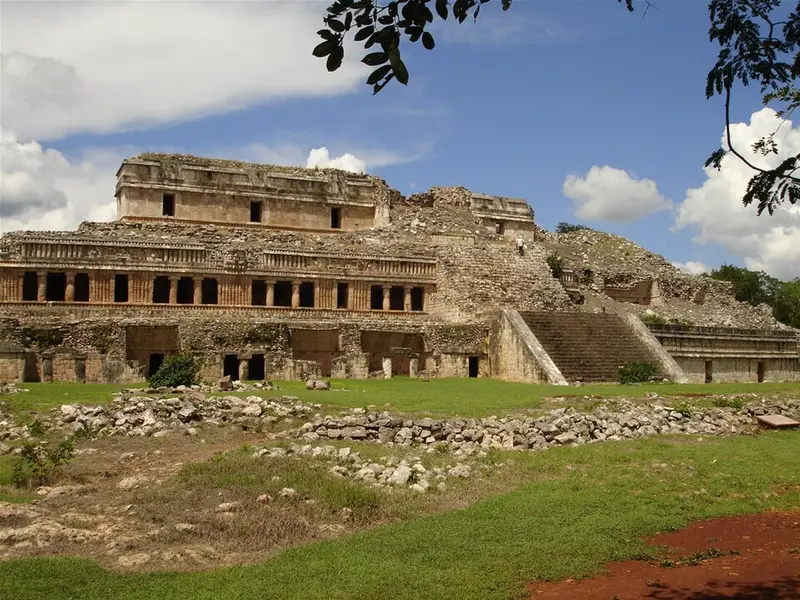 SayilUNESCO World Heritage
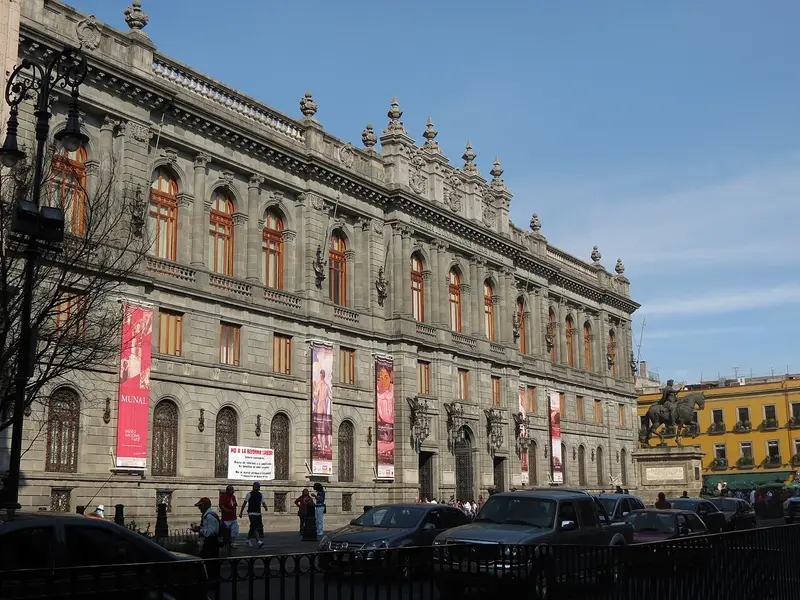 Museo Nacional de Arte
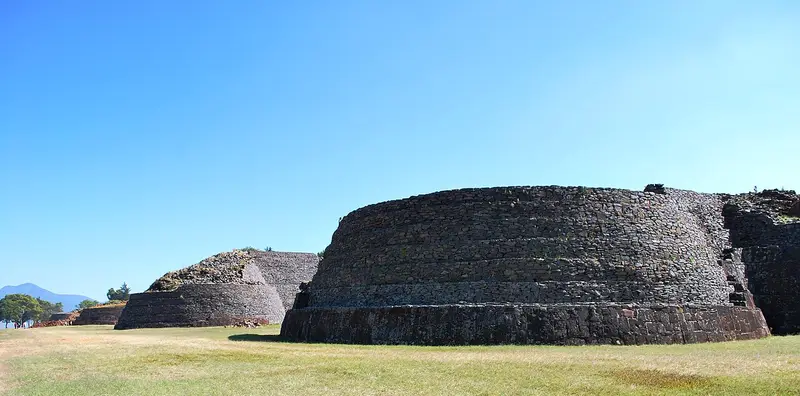 Tzintzuntzan
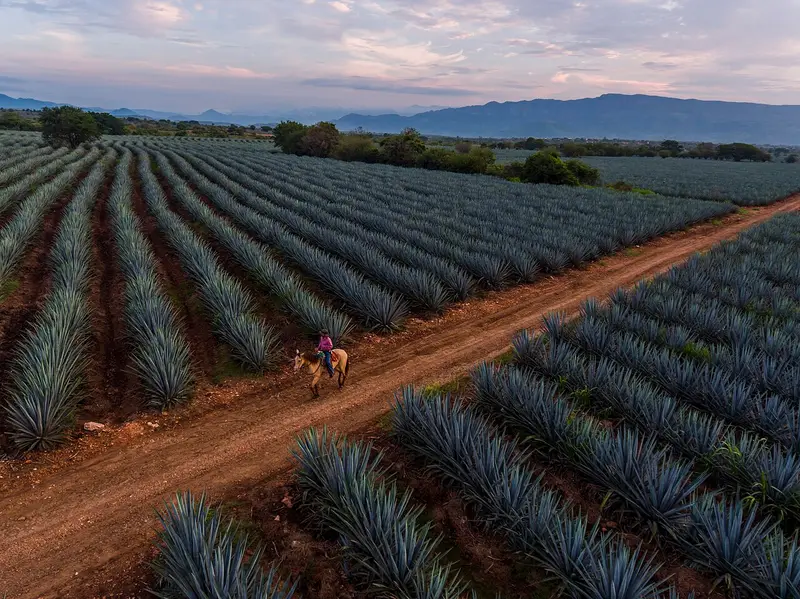 Agave Landscape and Ancient Industrial Facilities of TequilaUNESCO World Heritage
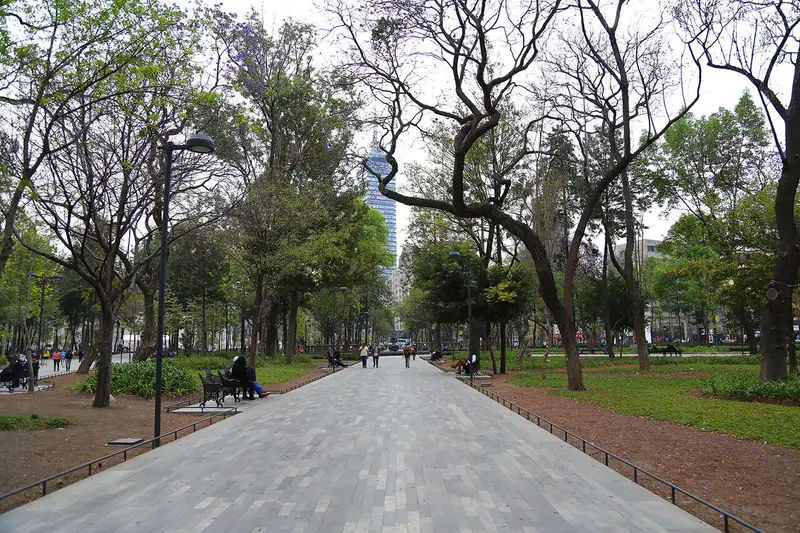 Alameda Central
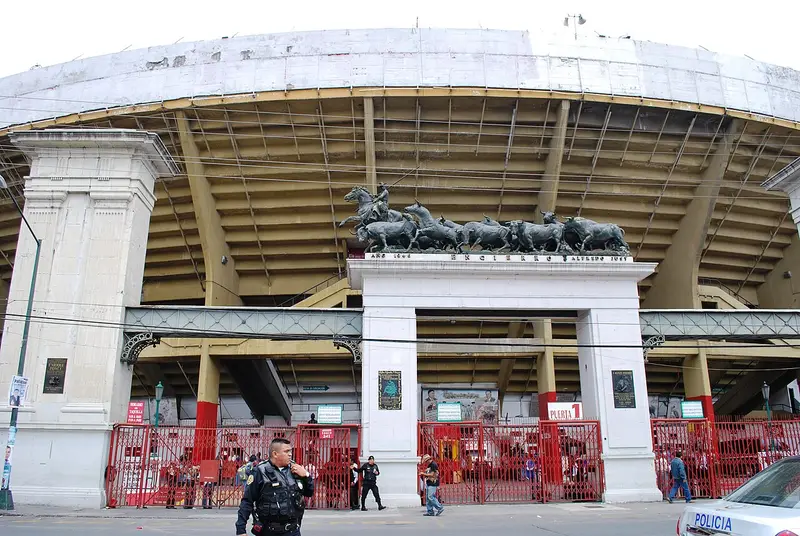 Plaza México
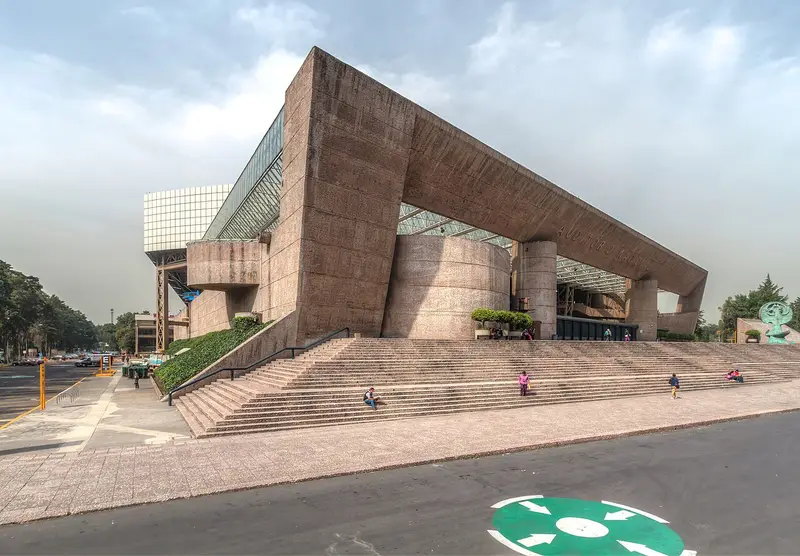 Auditorio Nacional
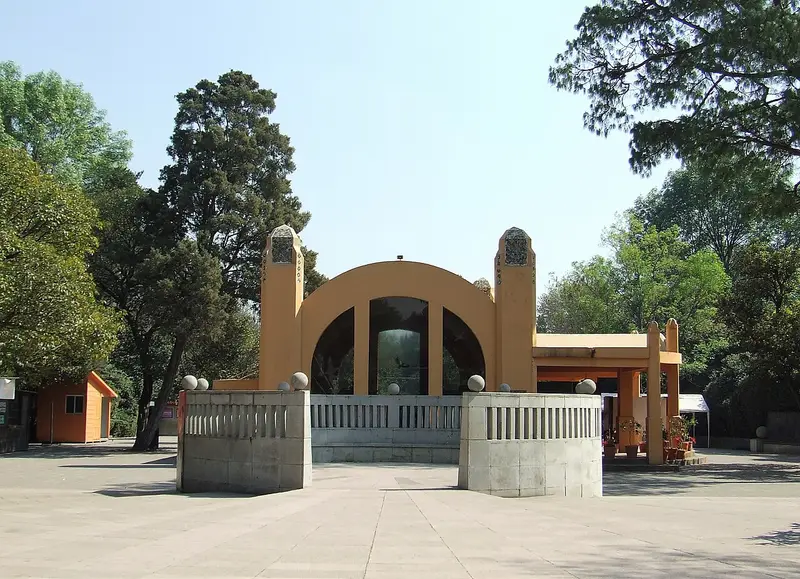 Chapultepec Zoo
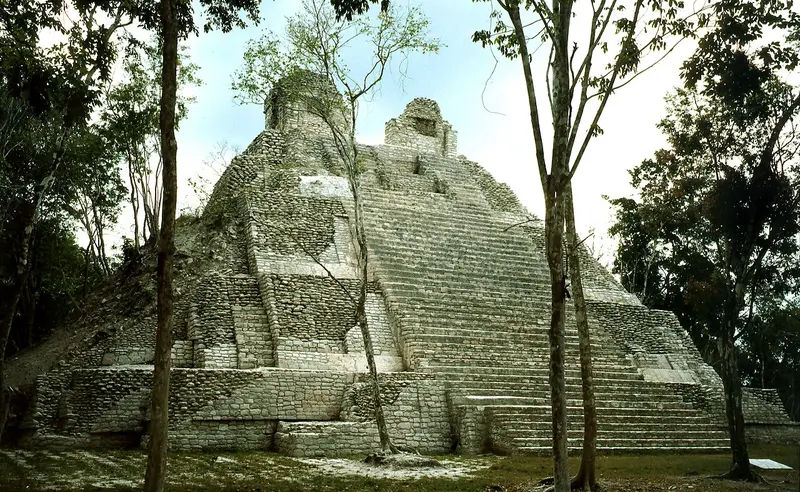 Dzibanche
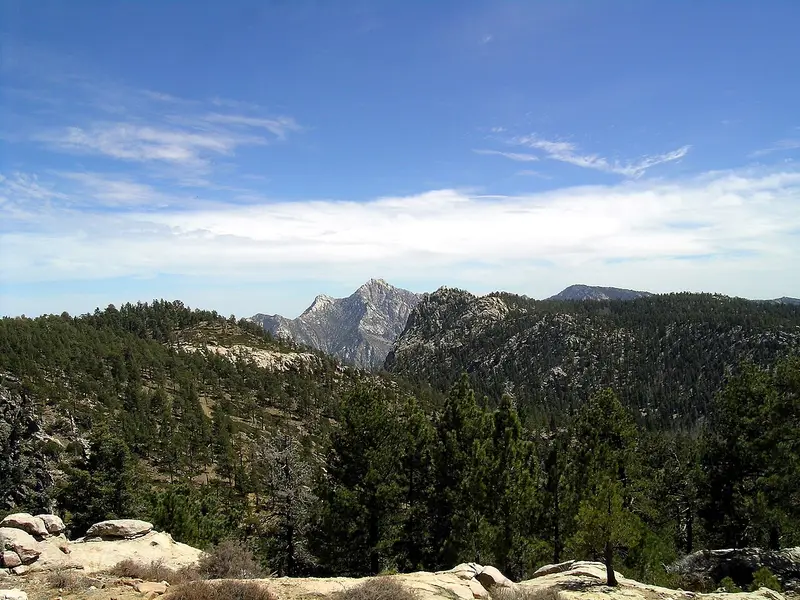 Picacho del Diablo
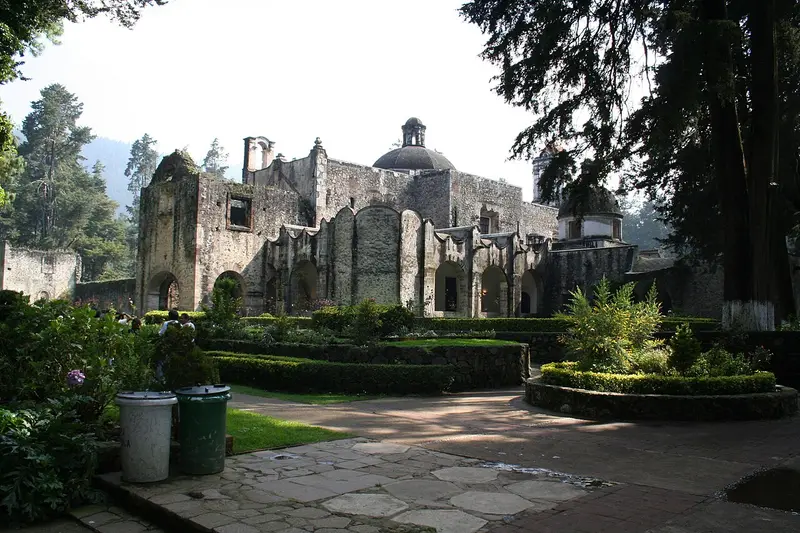 Desierto de los Leones National Park
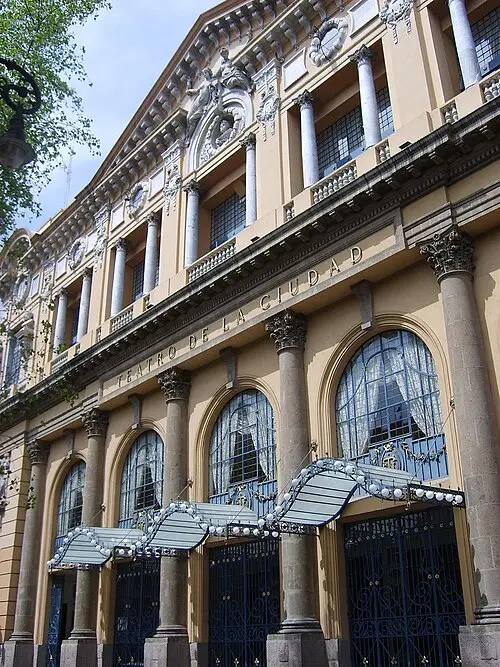 Teatro de la Ciudad
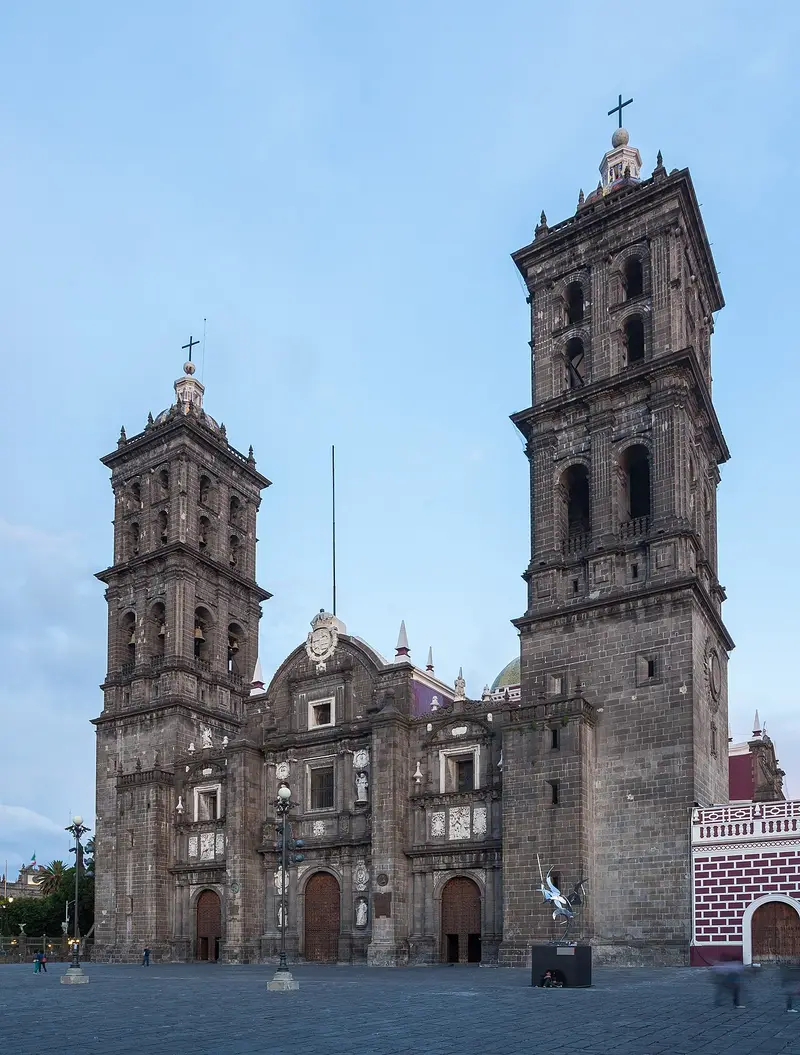 Puebla Cathedral
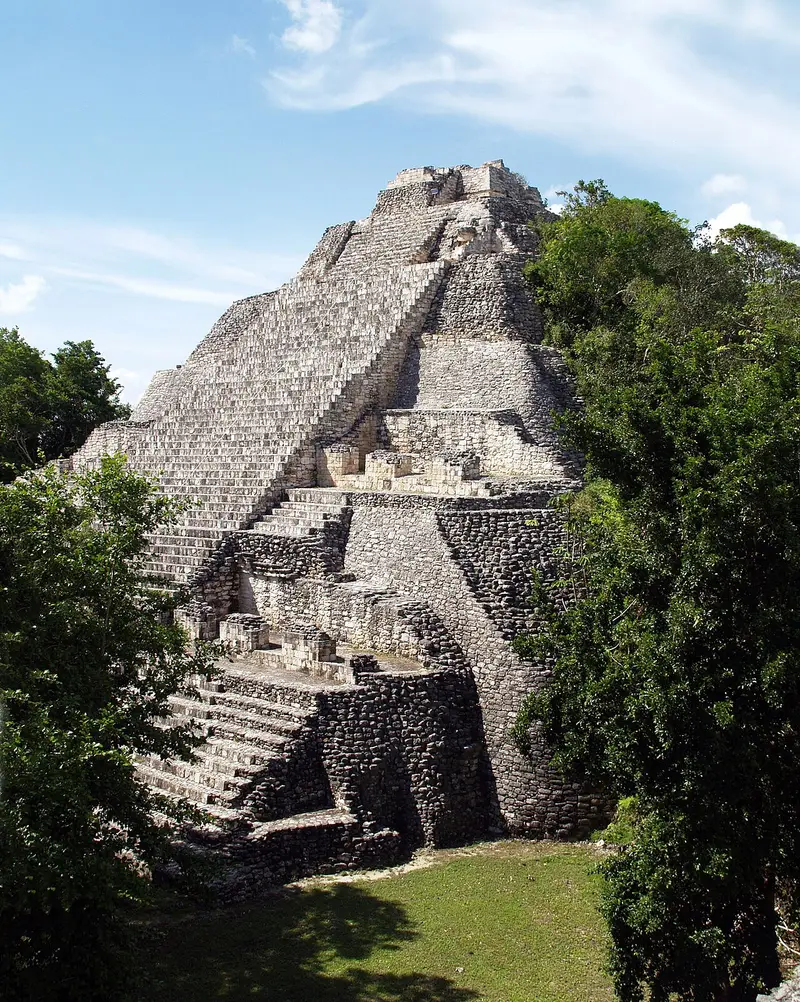 Becan
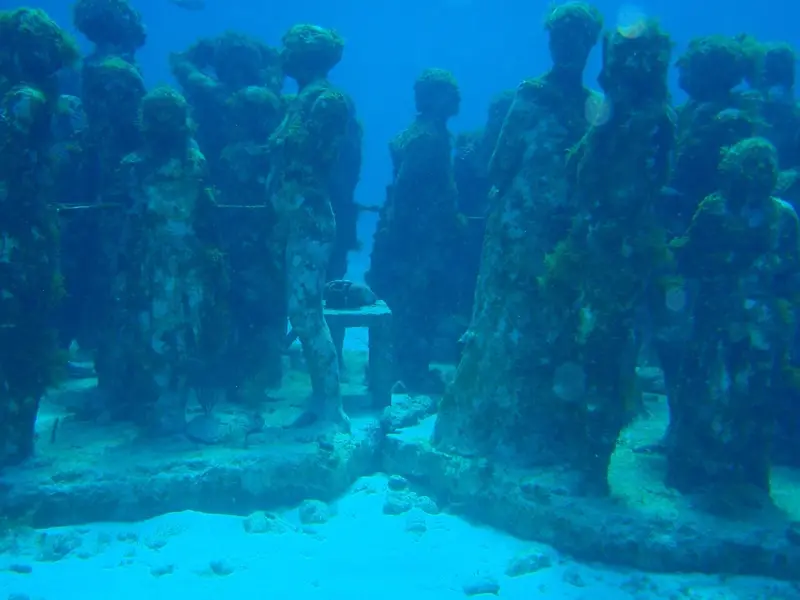 Cancún Underwater Museum
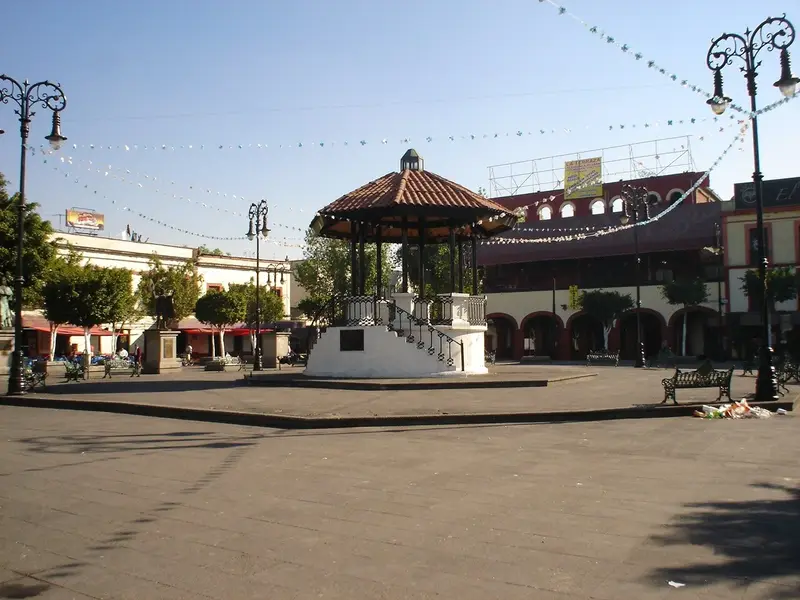 plaza Garibaldi
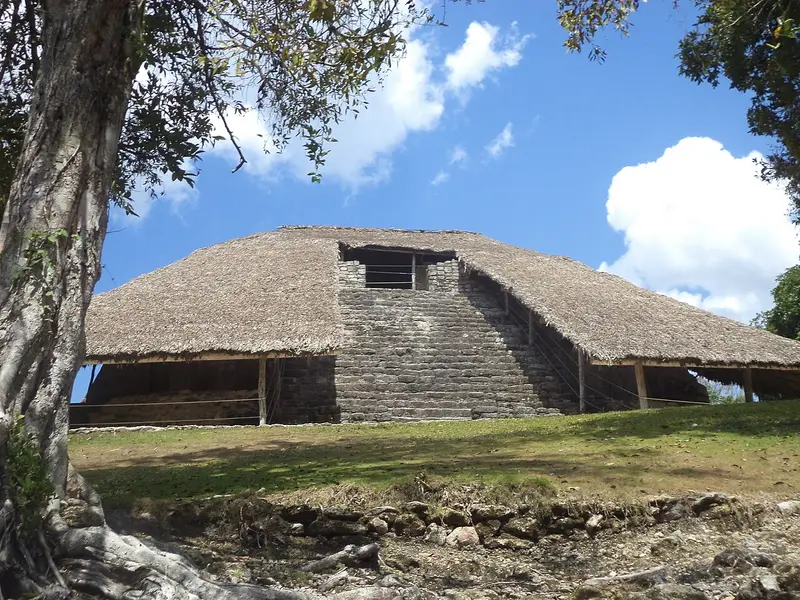 Kohunlich
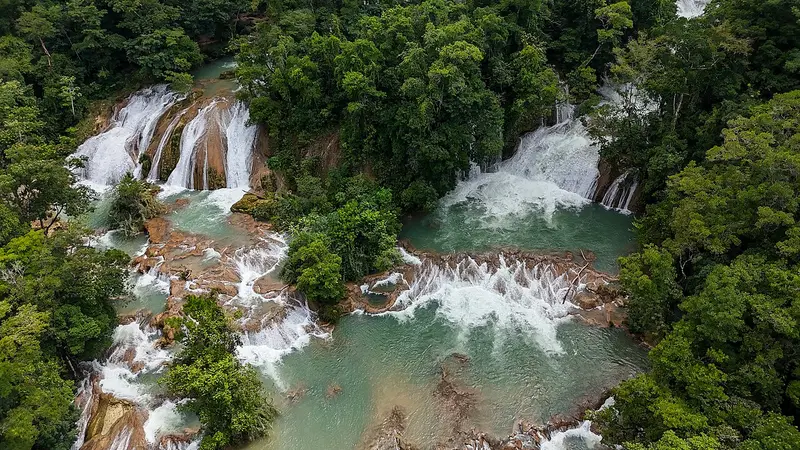 Agua Azul
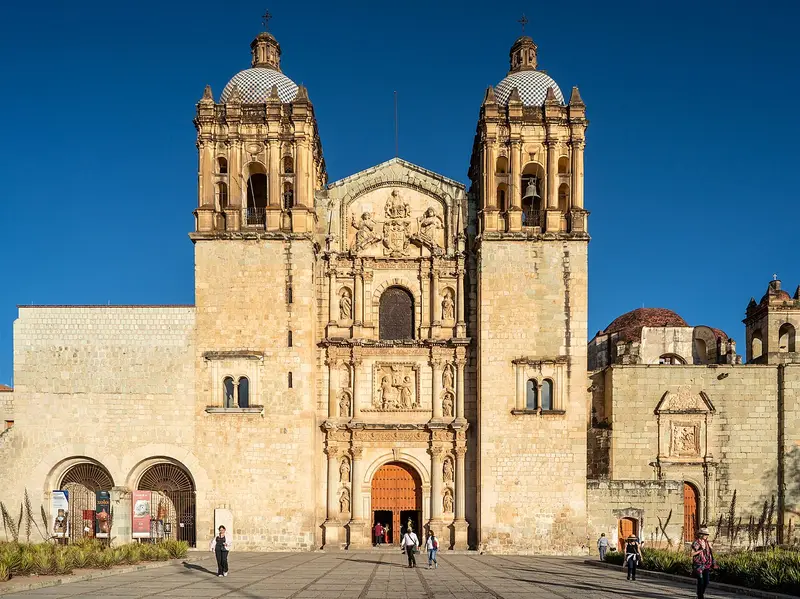 Church of Santo Domingo de Guzmán
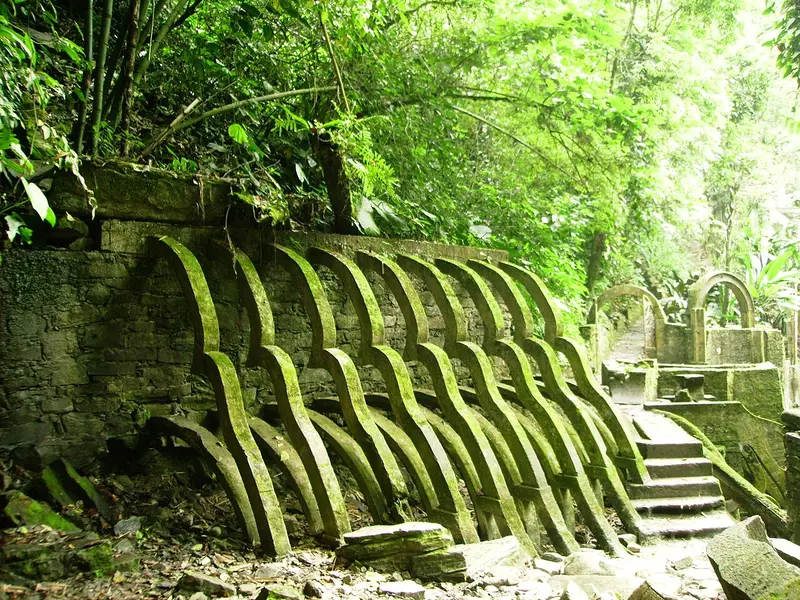 Las Pozas
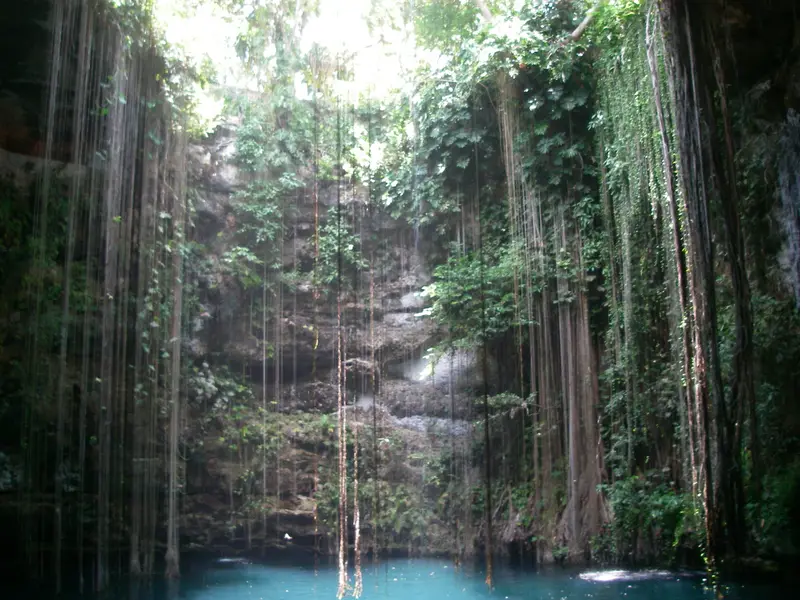 Ik Kil
 Laguna Salada
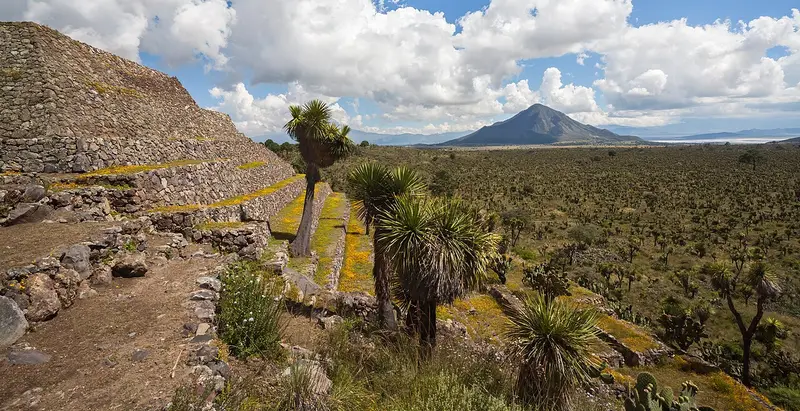 Cantona
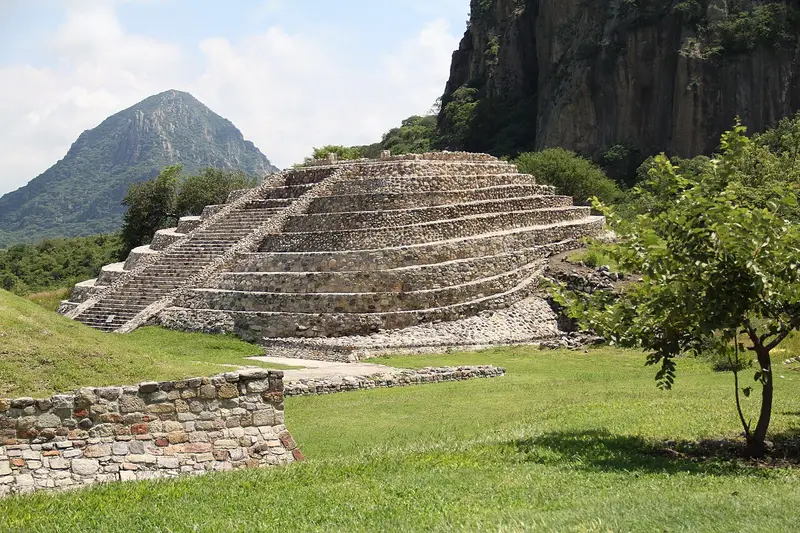 Chalcatzingo
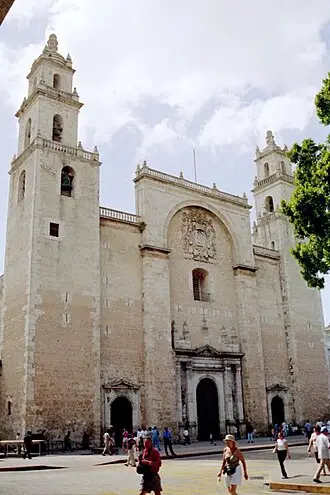 Mérida Cathedral
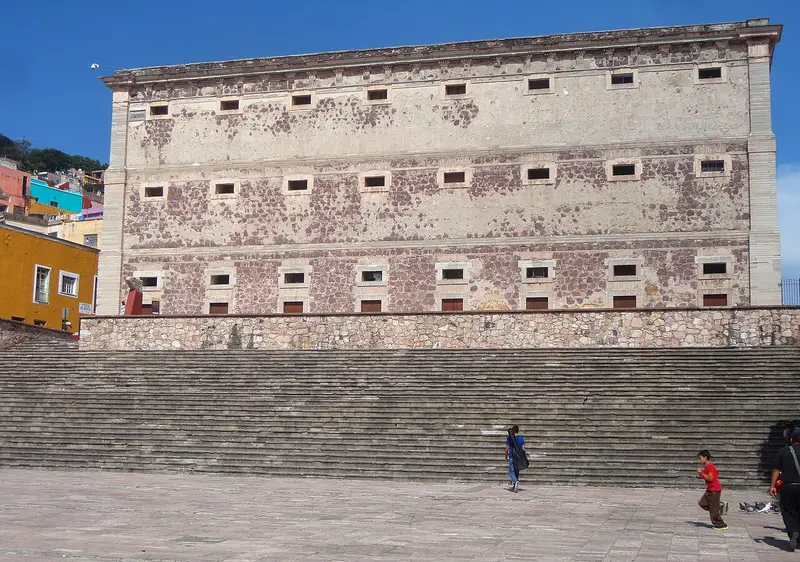 Alhóndiga de Granaditas
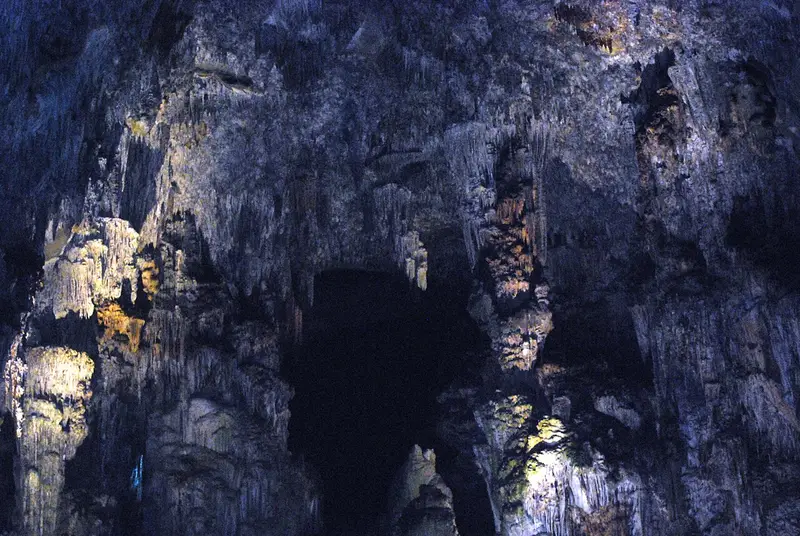 Grutas de Cacahuamilpa National Park
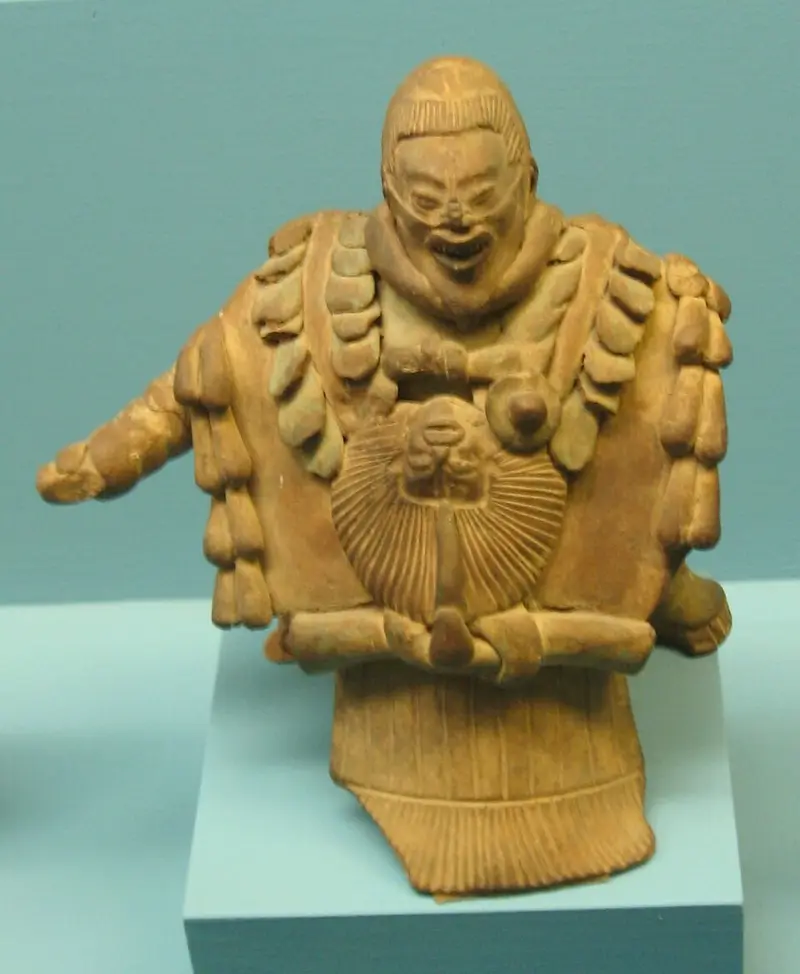 Jaina Island
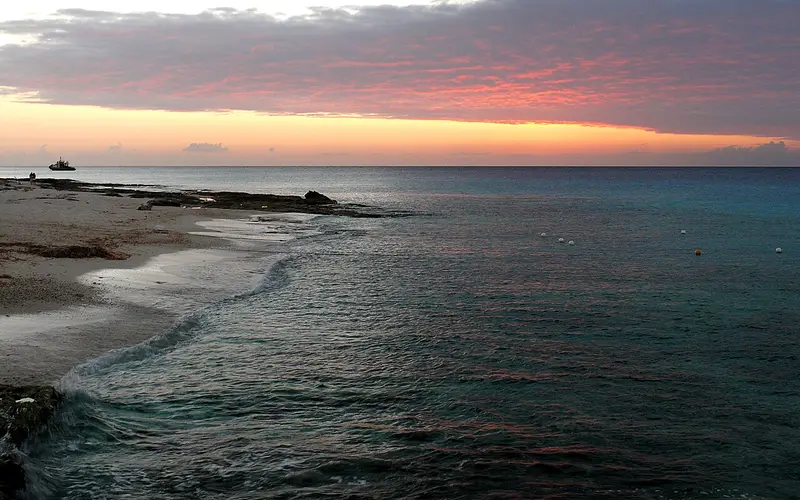 Arrecifes de Cozumel National Park


