Written by our editors from the sources on each card.
Getting from the airport
From KLIA Terminal 1 or 2, the KLIA Ekspres train reaches KL Sentral in about half an hour; Grab and official taxis are the alternatives.
More on getting from the airport
In normal hours KLIA Ekspres trains run non-stop to KL Sentral every 20 minutes, taking 28 minutes from Terminal 1 and a few more from Terminal 2. An adult single costs RM55.
KLIA Transit links the same airport stations with KL Sentral but calls at Salak Tinggi, Putrajaya & Cyberjaya and Bandar Tasik Selatan; a ticket for one service isn't valid on the other.
On either train you can pay by tapping a contactless Visa, Mastercard, Amex, JCB or UnionPay card at the gate as you enter and leave. Tickets can't be bought with cash.
Trains run from around 05:00 until after midnight; from 23:00, every KLIA Ekspres stops at all stations along the way.
Official taxis can be booked at counters on Level 3 of Terminal 1 and in the Level 1 Transport Hub at Terminal 2; a coupon taxi's fixed fare is paid before you set off.
Grab drivers collect from Level 1: Doors 1, 3 or 4 at Terminal 1 and Door 5 at Terminal 2. Between the airport and central Kuala Lumpur, allow about 50 minutes and RM65 to RM100.
Hotlink (Maxis), CelcomDigi and U Mobile sell tourist SIMs; you register with your passport, and the line lasts three months at most.
More on SIMs and eSIMs
Visitors register a prepaid SIM through a biometric check of their passport; MCMC, the regulator, warns against registering anywhere but a licensed carrier or its authorised dealers.
You can hold up to two SIMs with each carrier, and a tourist SIM is shut off automatically after three months at the latest.
Hotlink sells its Travel SIM at the Maxis Centres in KLIA Terminal 1 and Terminal 2: passes of 7, 15 or 30 days cost about RM25 to RM64, and the data also works in Singapore, Thailand and Indonesia.
Hotlink's Travel SIM also comes as an eSIM in the Hotlink app, where non-Malaysians verify their identity with a passport.
CelcomDigi's Tourist SIM, from its stores and authorised partners, has passes of 7 to 90 days. Service stops when a pass ends until you buy another; buying early replaces the active pass.
U Mobile's ULTRA Tourist plan is data only: pick up the SIM at a U Mobile Service Centre, or buy the eSIM in the MyUMobile app.
You seldom need to tip in Malaysia; check the bill instead, which may already carry service tax and a service charge.
More on tipping
Tipping isn't a Malaysian custom, and away from tourist areas nobody expects a tip.
Larger restaurants, those with taxable sales over RM1.5 million a year, add service tax: 6% on food and soft drinks, 8% on alcohol. Night-market stalls don't charge it.
Restaurants may also add a service charge, often 10%; once it's on the bill, nothing more is expected of you.
Hotel porters who carry your bags are commonly given a small tip.
Carry your passport, cover up and take your shoes off at religious sites, use your right hand, and stay well away from drugs.
More on etiquette
Your passport is the ID to have with you at all times in Malaysia, where going without identification breaks the law.
At places of worship and government offices, look for the dress code by the entrance: you may need covered shoulders and knees, and closed shoes, to get in.
Take your shoes off at the door of homes, mosques and temples. Women, and men in shorts, can often borrow a robe or scarf at religious sites.
Use your right hand to eat with your fingers, pass things and shake hands. To point, fold your right hand into a fist and use the thumb on top, not a finger.
A smile and a nod may suit a Muslim woman better than a handshake when you first meet.
Trafficking illegal drugs can be punished by death in Malaysia; holding even a little, cannabis included, may mean a long jail term if convicted, possibly with whipping. Transit bags get scanned too.
At KLIA, book taxis only at the official counters and turn away strangers who ask you for money.
More on scams
Turn down anyone in the KLIA arrival halls who offers you a ride: unlicensed drivers tout there and charge well above licensed taxis. Buy a taxi coupon at a counter instead.
In Kuala Lumpur, taxis are meant to use the meter, but many drivers refuse and name a price instead; Grab's car rides, unlike GrabTaxi, show the fare before you book.
At KLIA, strangers may spin a hard-luck story, such as a lost wallet before a flight or trouble paying excess baggage fees, to get money from you. Send them to airport customer service.
Book tours only with agents and operators holding a Ministry of Tourism, Arts and Culture licence; an unlicensed one may leave you uninsured and with no claim to compensation.
Motorbike thieves snatch bags in the cities, and people who held on have been hurt or killed. When you walk along a road, keep your bag on the building side rather than the road side.
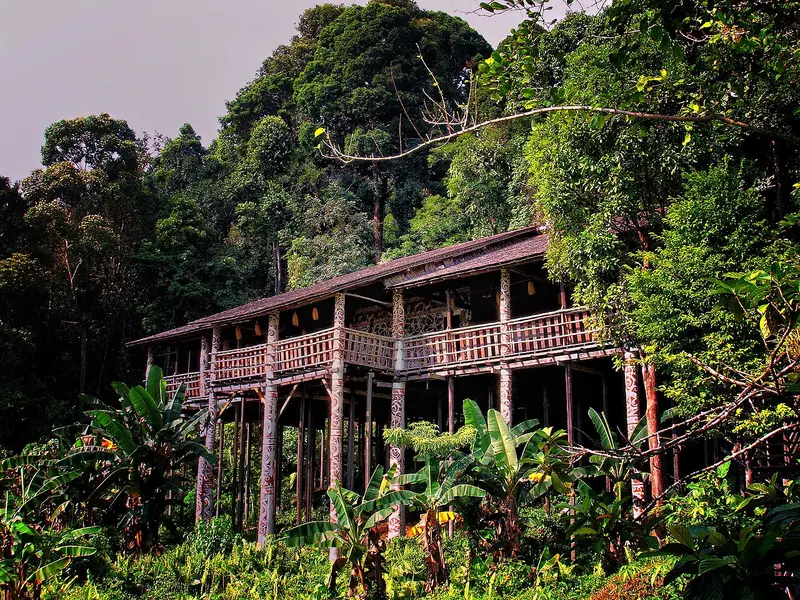
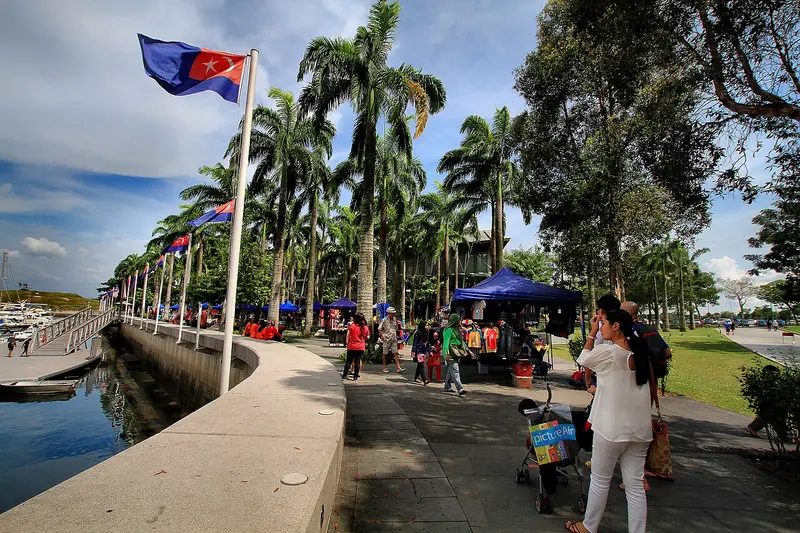
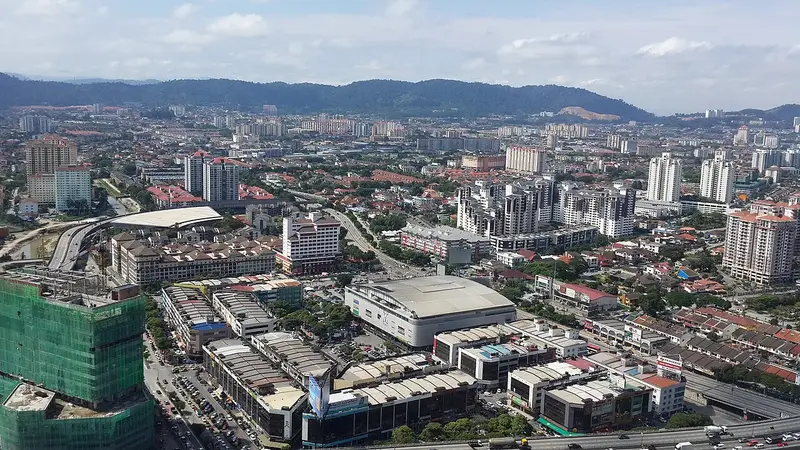
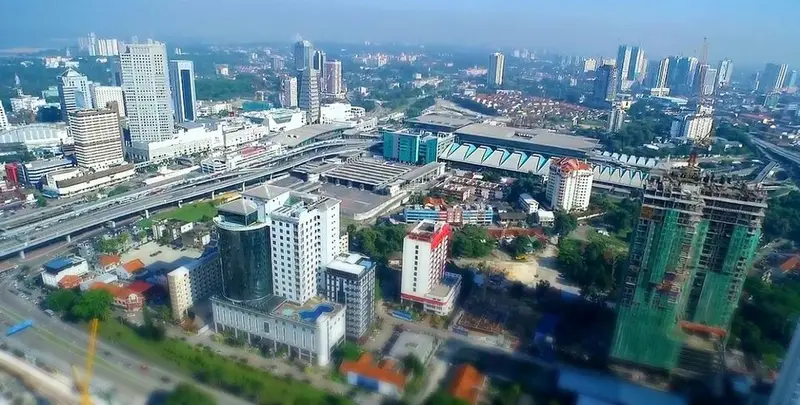
Malaysia is a country in Southeast Asia. A federal constitutional monarchy, it consists of 13 states and three federal territories, separated by the South China Sea into two regions: Peninsular Malaysia on Mainland Southeast Asia and East Malaysia on the island of Borneo. Peninsular Malaysia shares land and maritime borders with Thailand, as well as maritime borders with Singapore, Vietnam, and Indonesia; East Malaysia shares land borders with Brunei and Indonesia, and maritime borders with the Philippines and Vietnam.

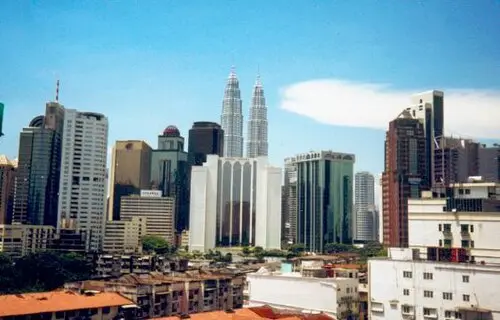
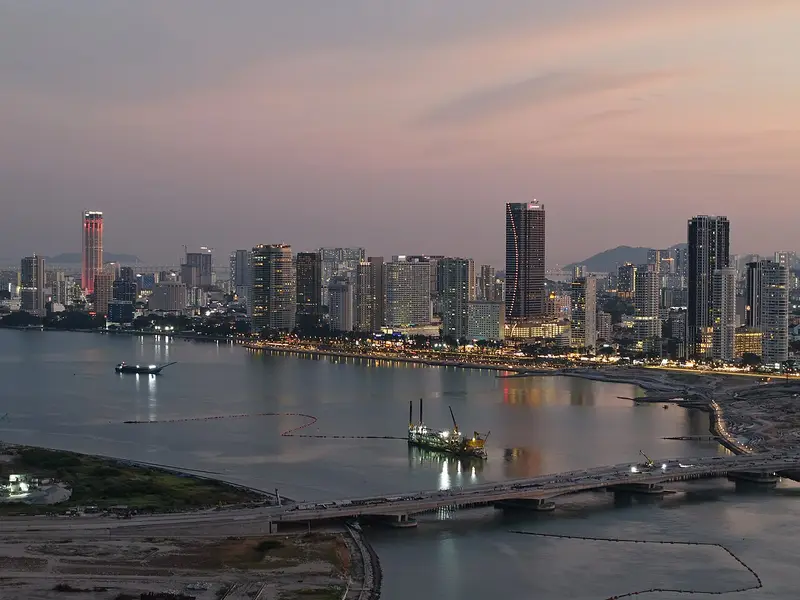
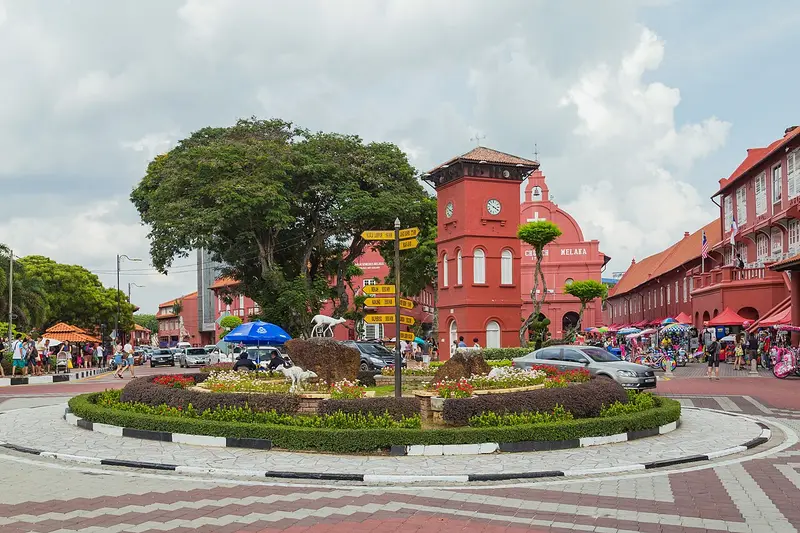
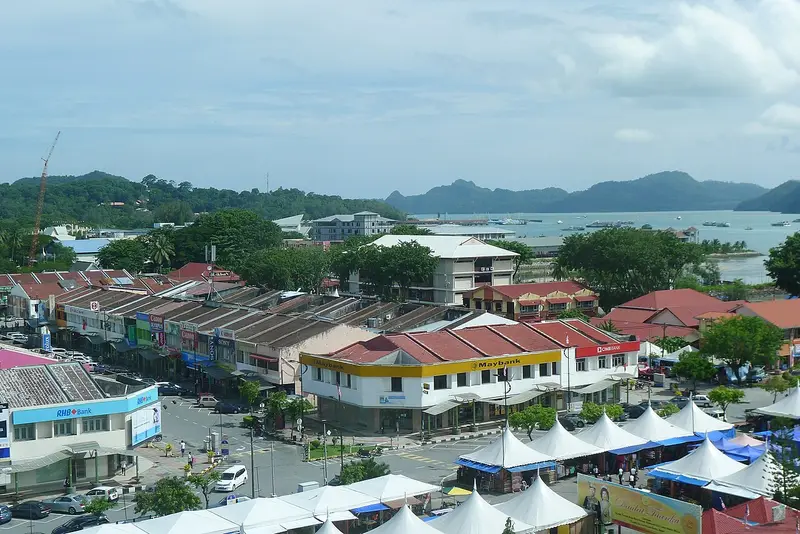
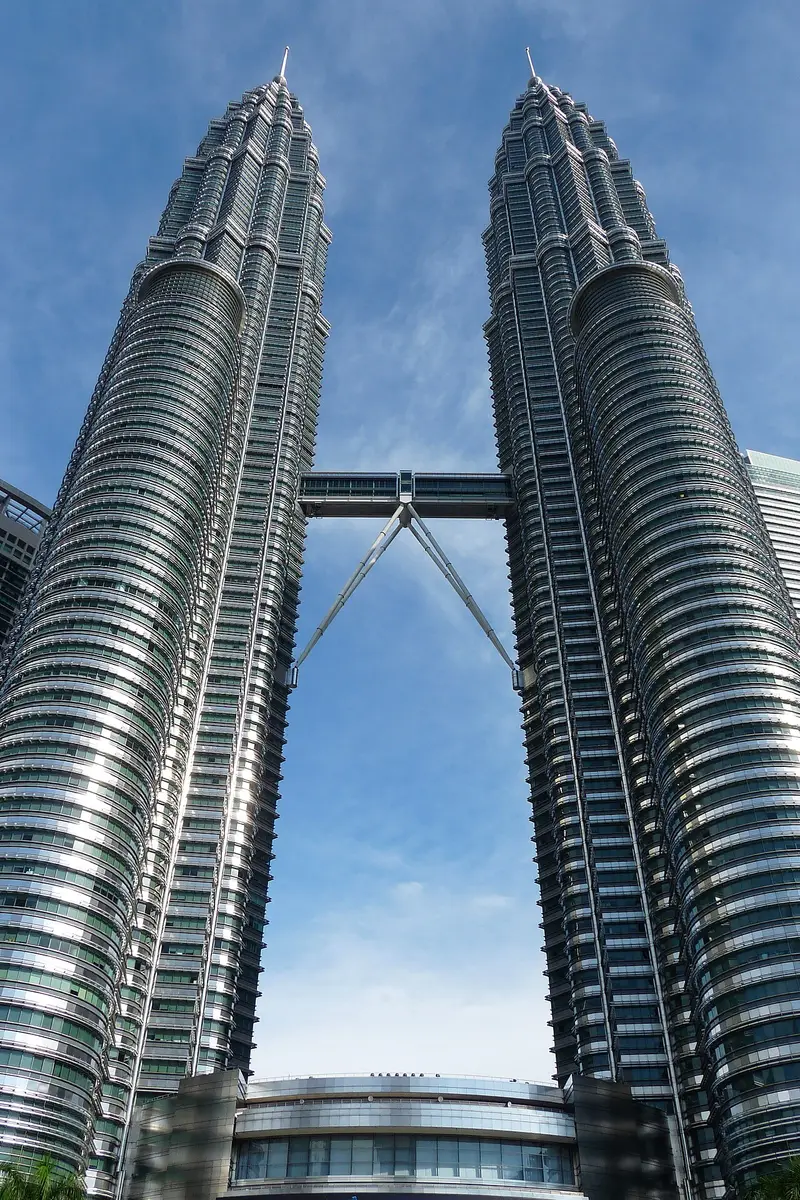 Petronas Towers
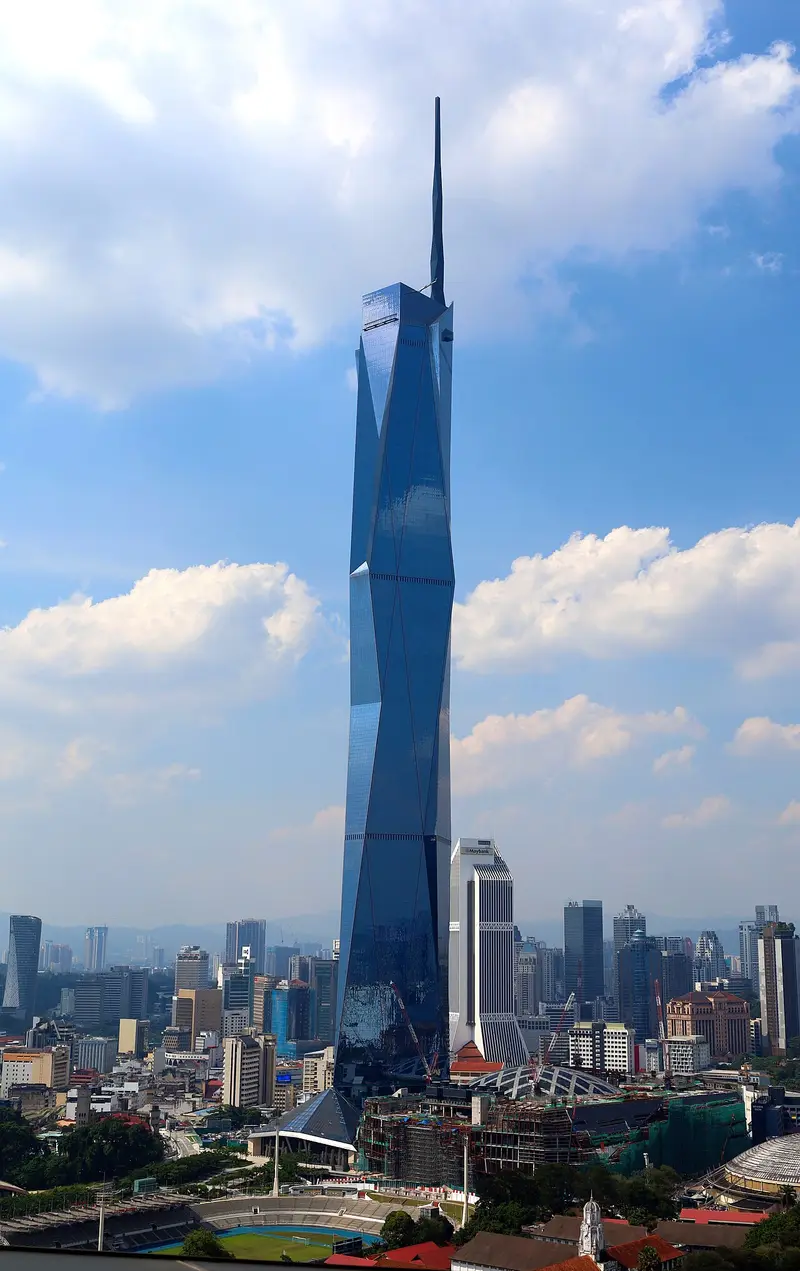 Merdeka 118
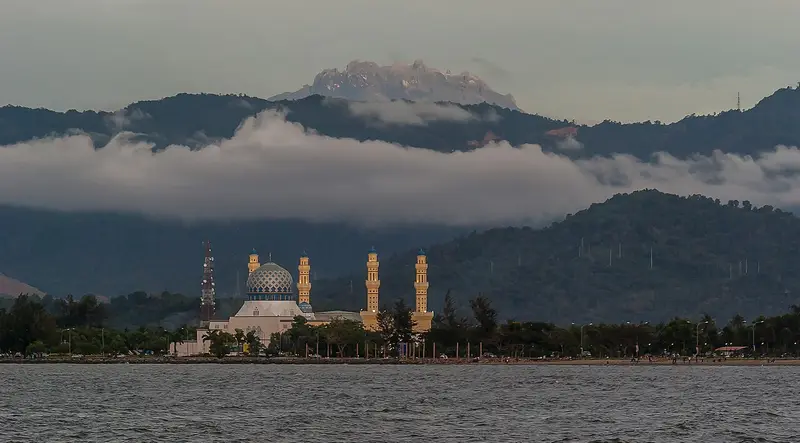
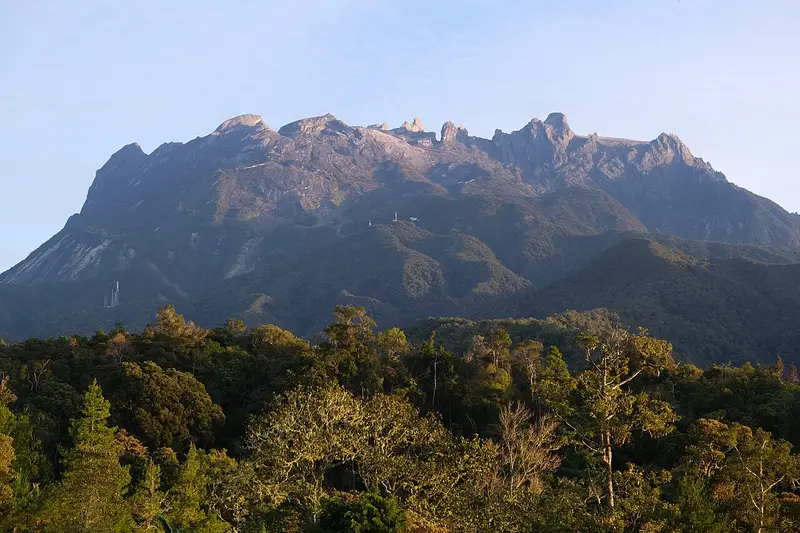 Mount Kinabalu
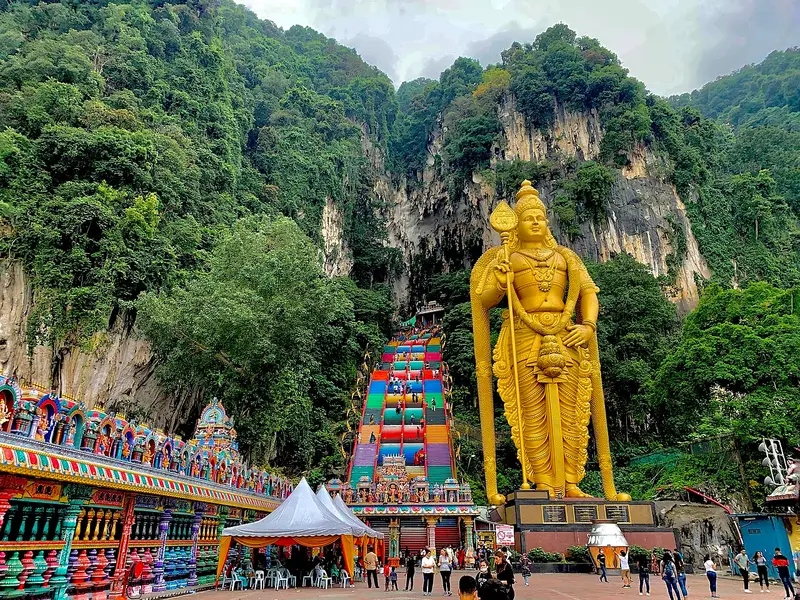 Batu Caves
 Gunung Mulu National ParkUNESCO World Heritage
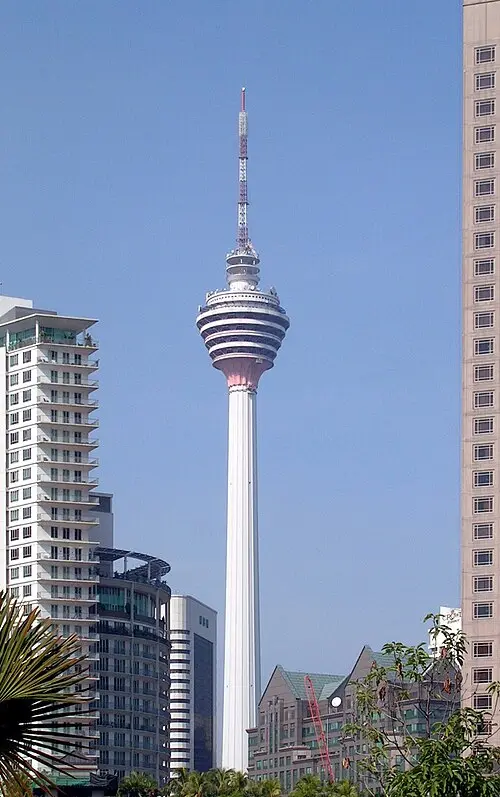 Kuala Lumpur Tower
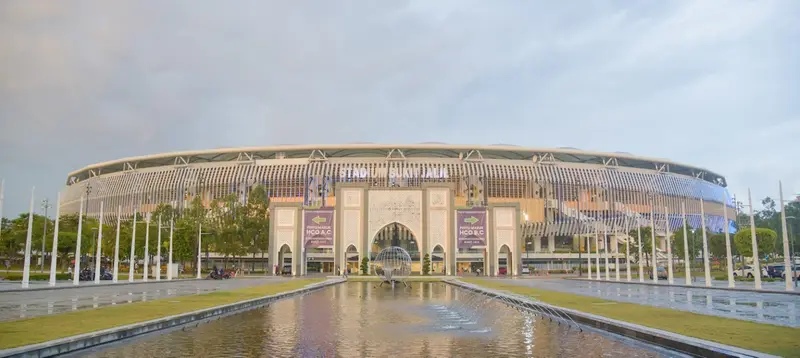 Bukit Jalil National Stadium
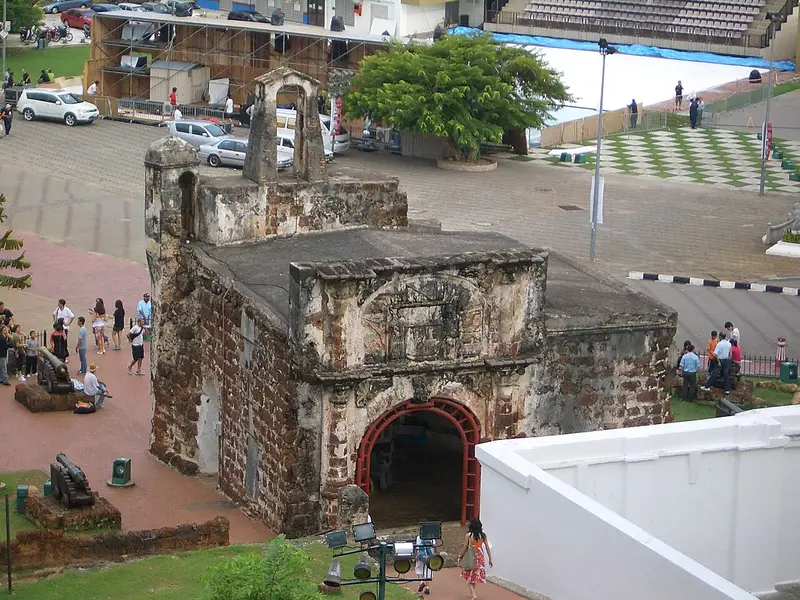 A FamosaUNESCO World Heritage
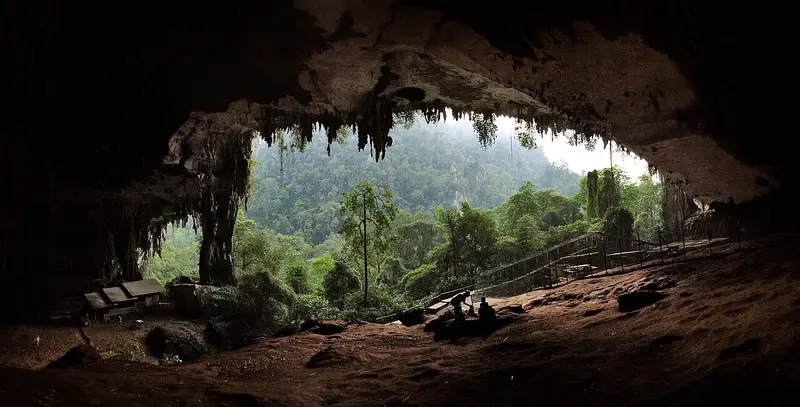 Niah National ParkUNESCO World Heritage
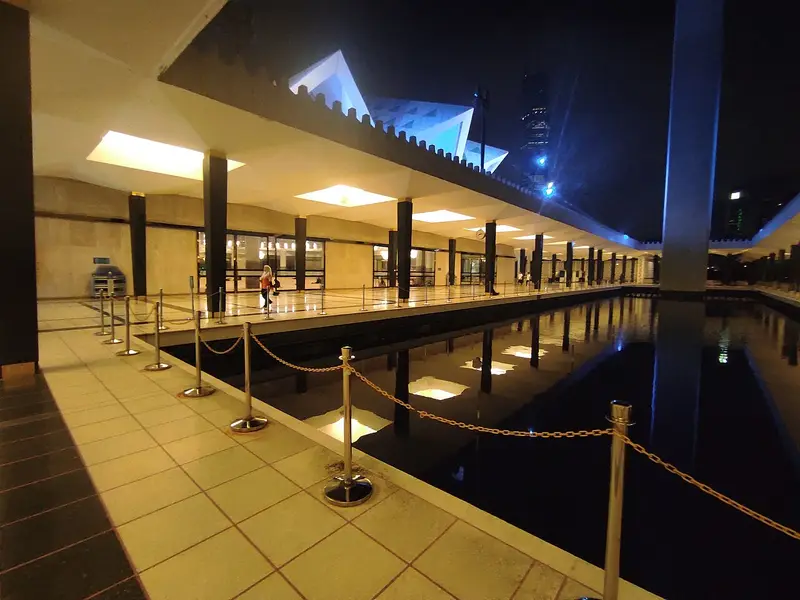 National Mosque of Malaysia
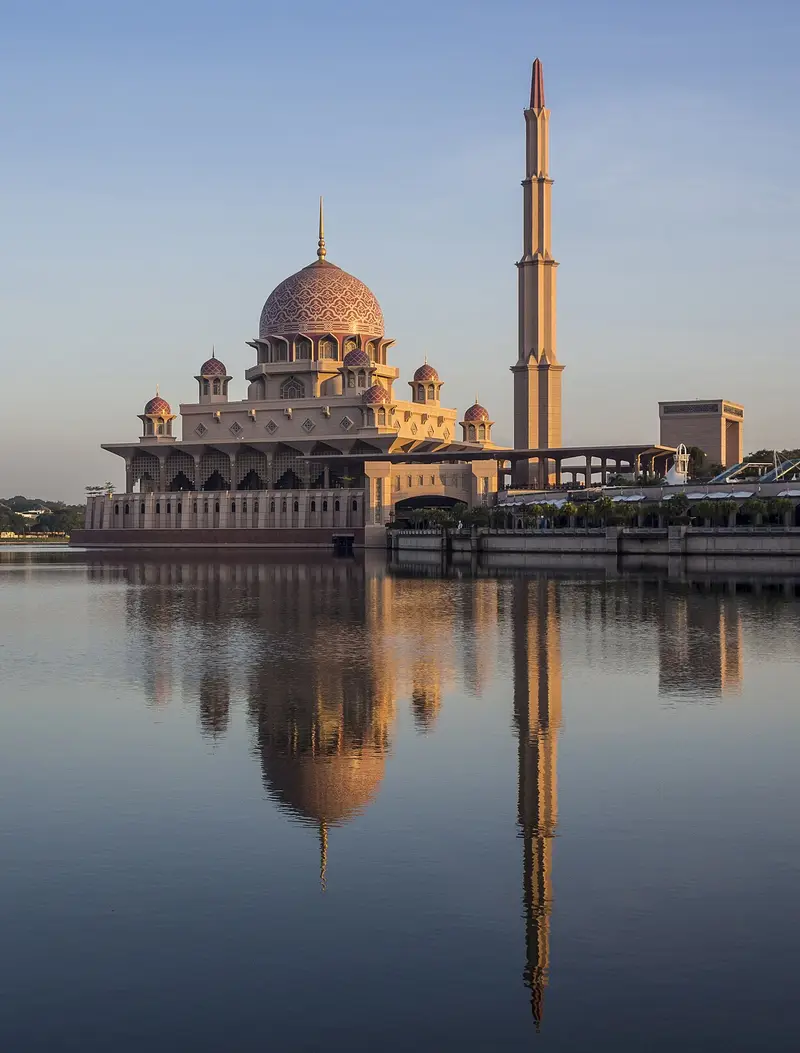 Putra Mosque
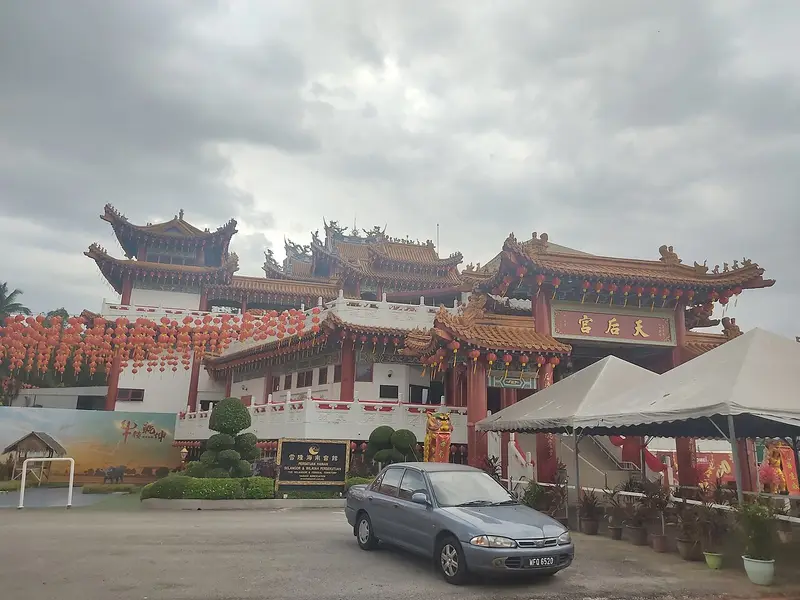 Thean Hou Temple
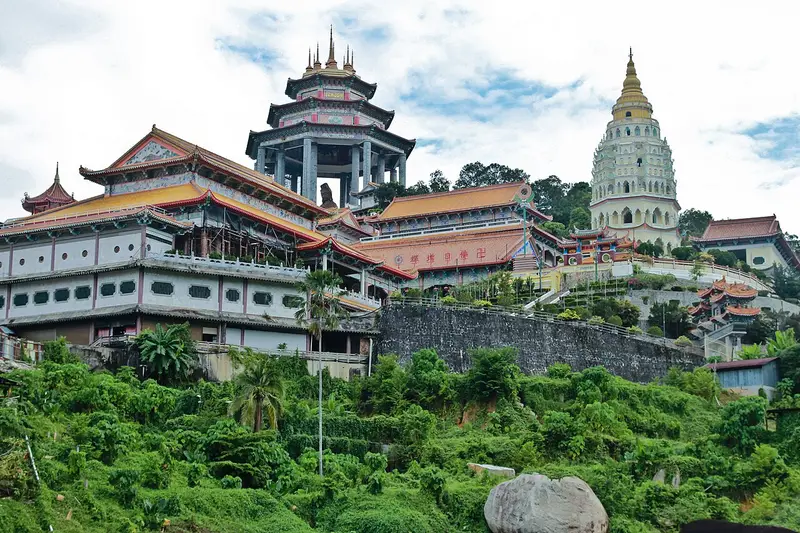 Kek Lok Si
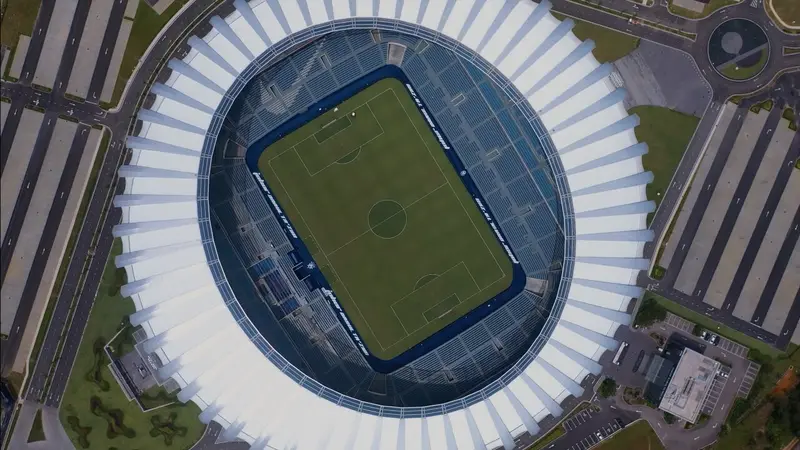 Sultan Ibrahim Stadium
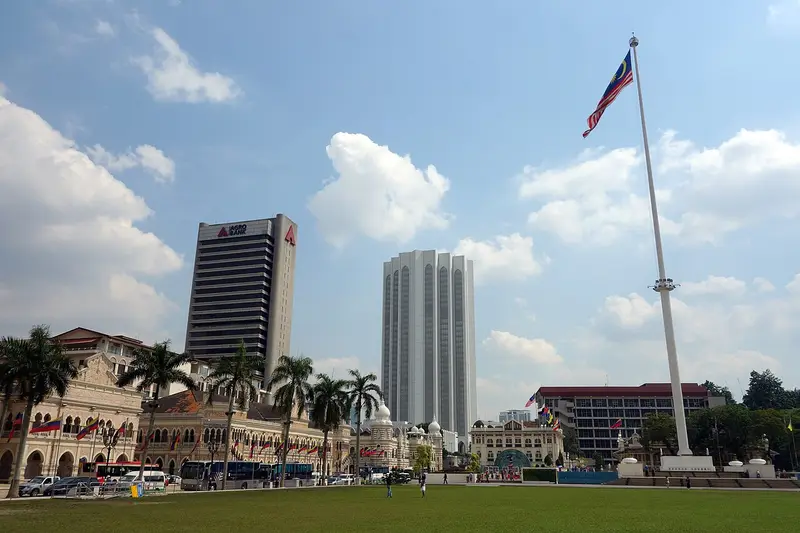 Independence Square
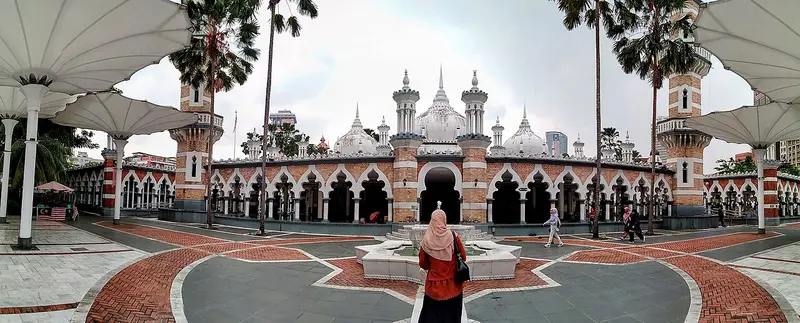 Jamek Mosque
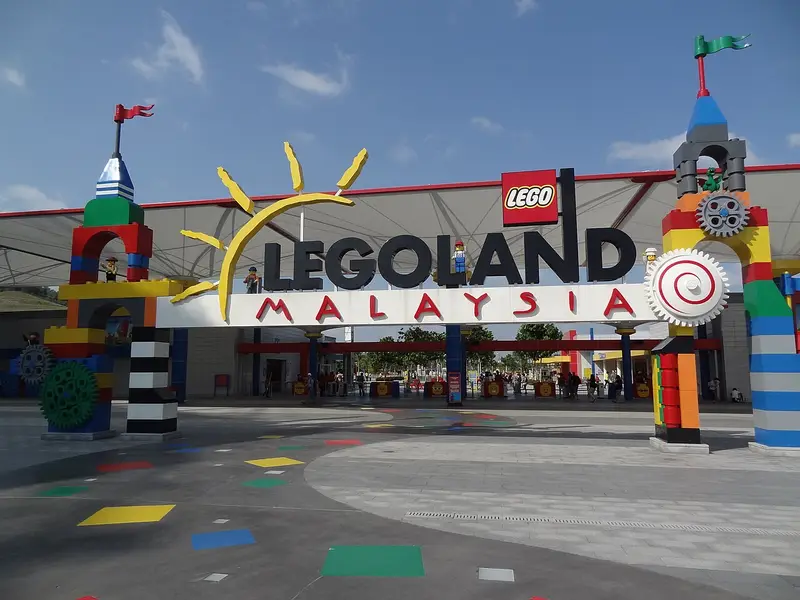 Legoland Malaysia
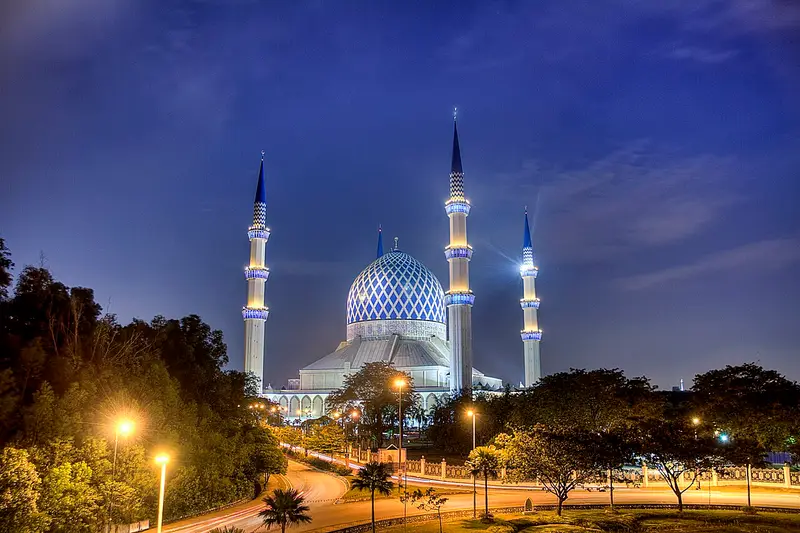 Sultan Salahuddin Abdul Aziz Mosque
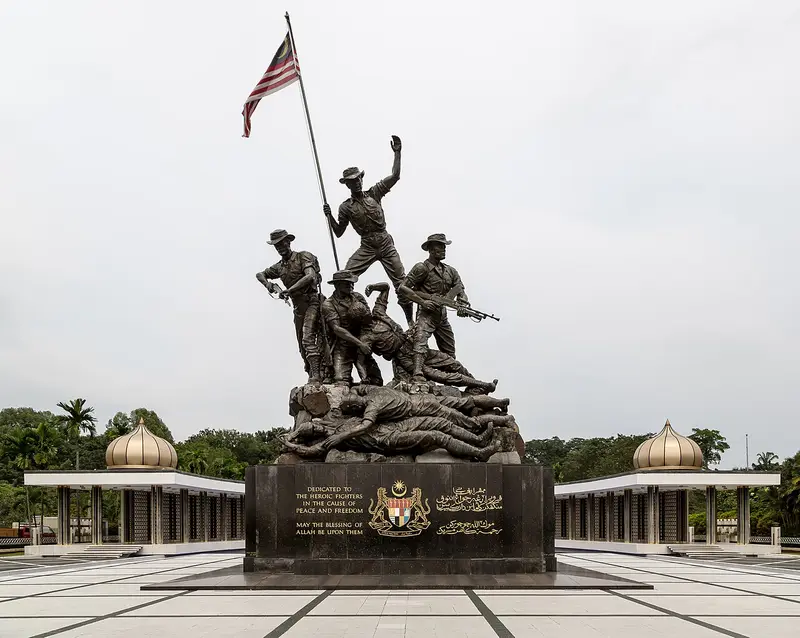 National Monument
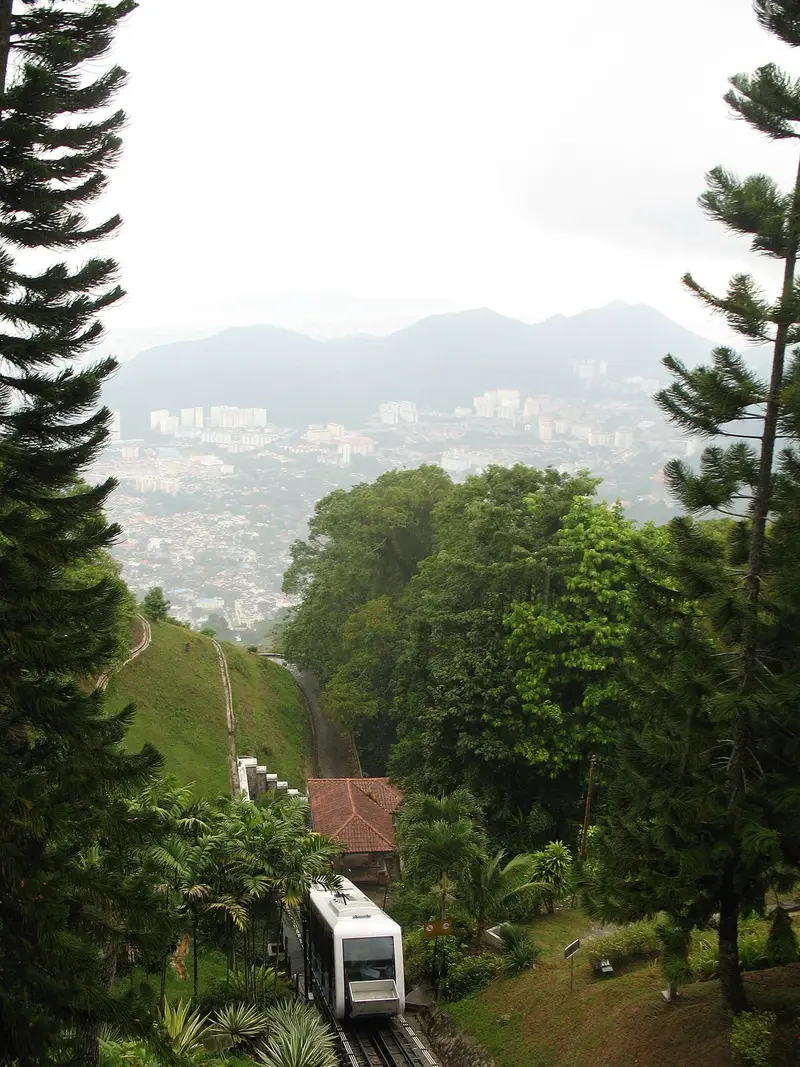 Penang Hill
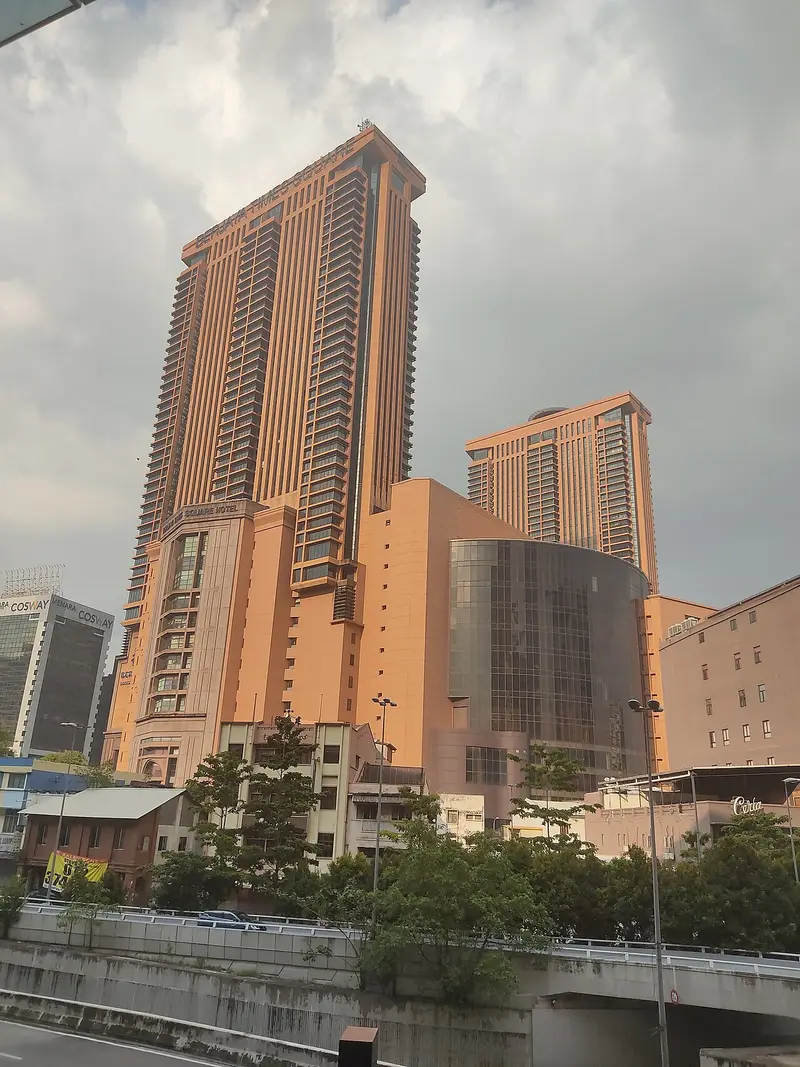 Berjaya Times Square
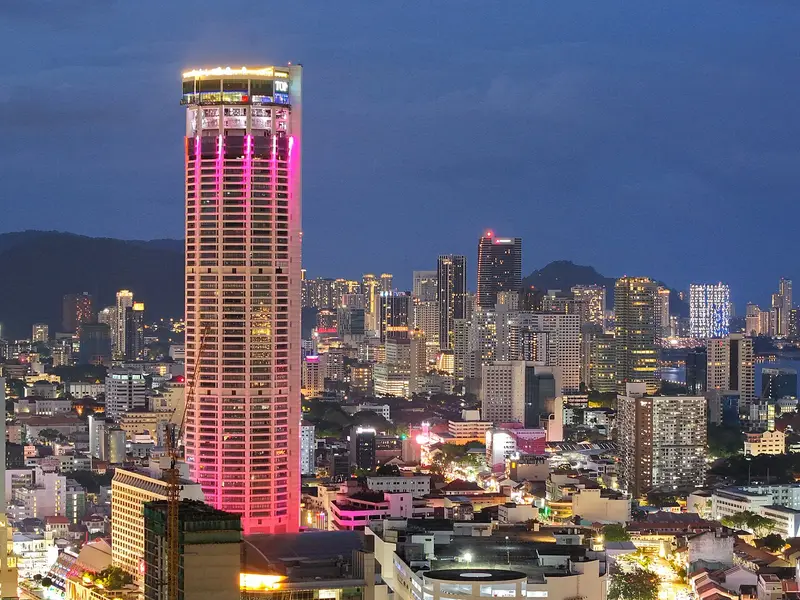
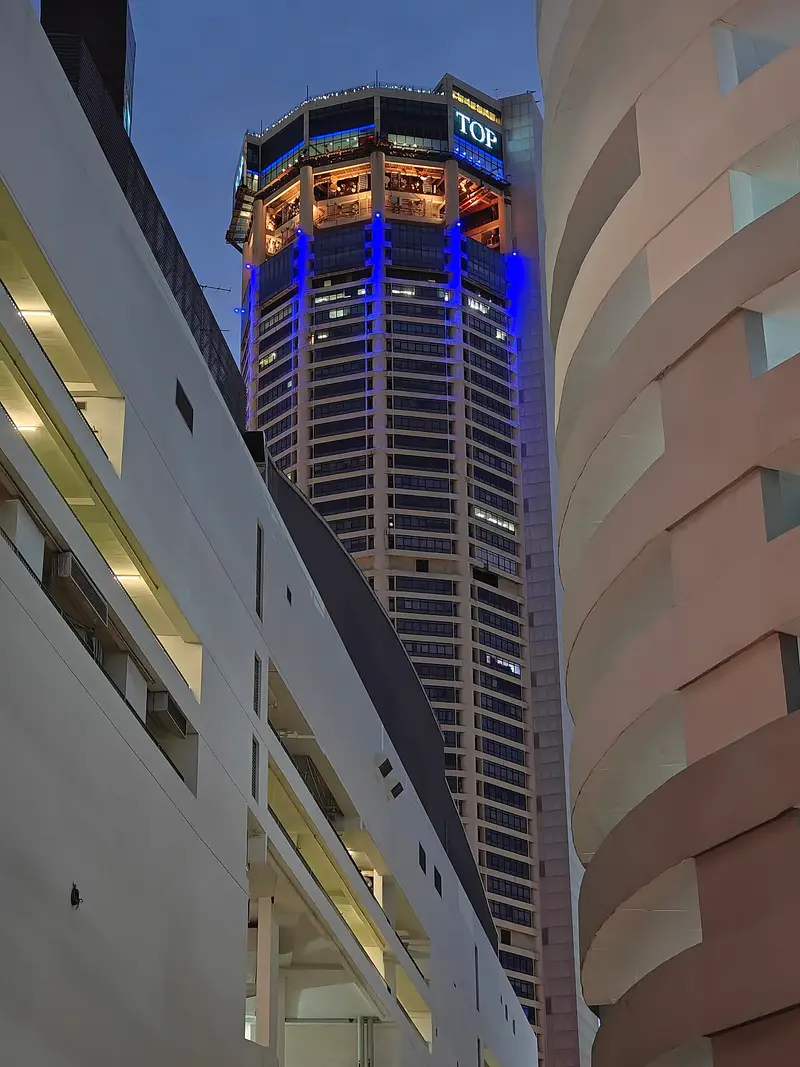 KOMTAR
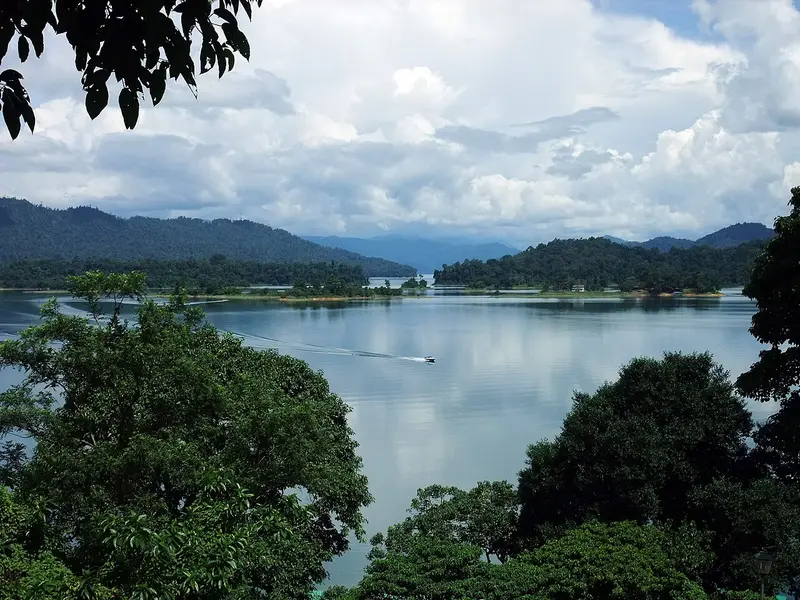 Kenyir Lake
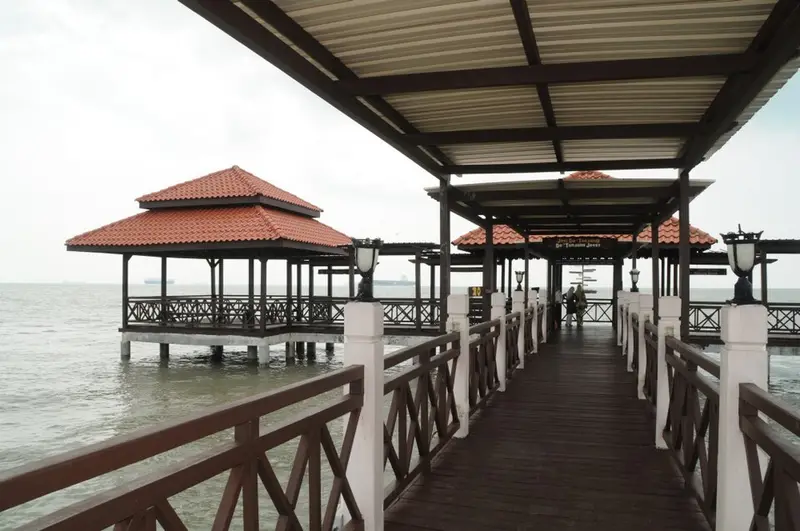 Cape Piai
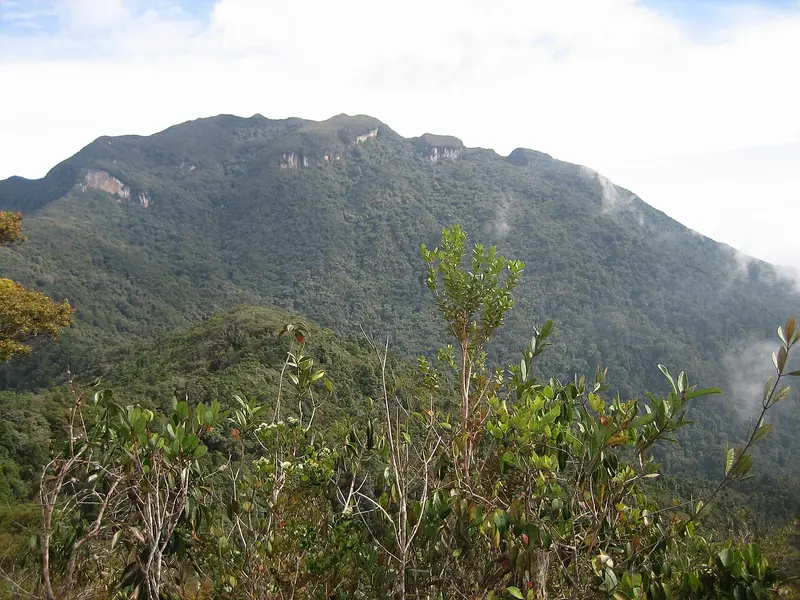 Mount Tahan
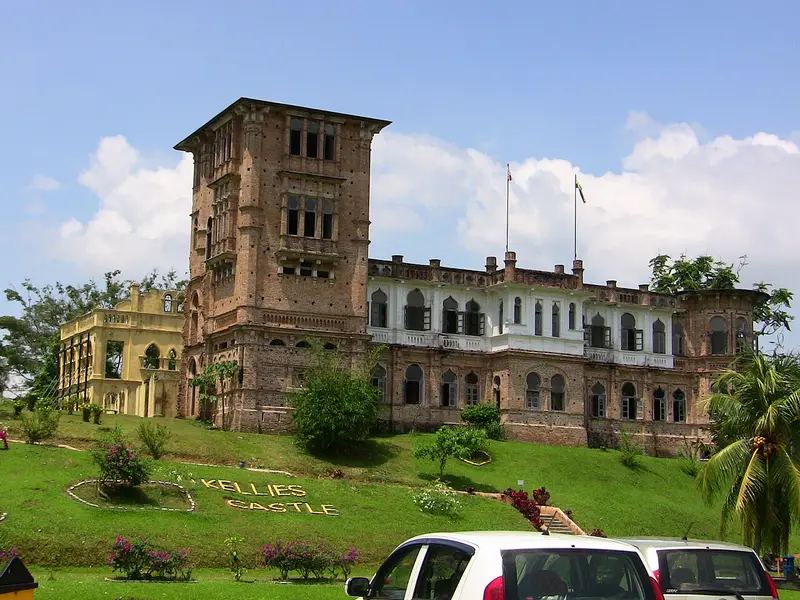 Kellie's Castle
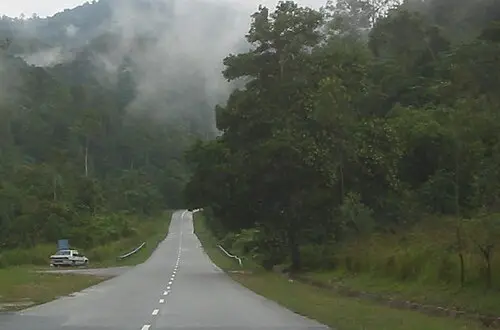 Archaeological Heritage of the Lenggong ValleyUNESCO World Heritage
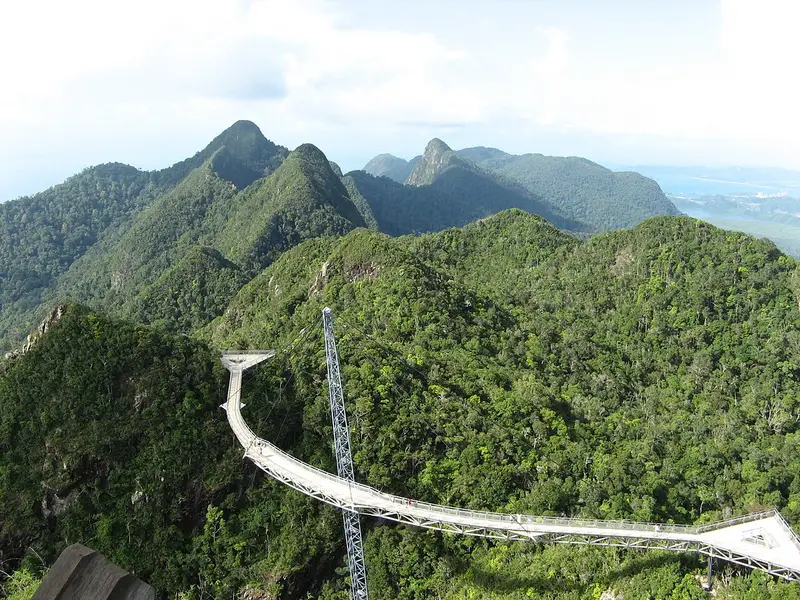 Langkawi Sky Bridge
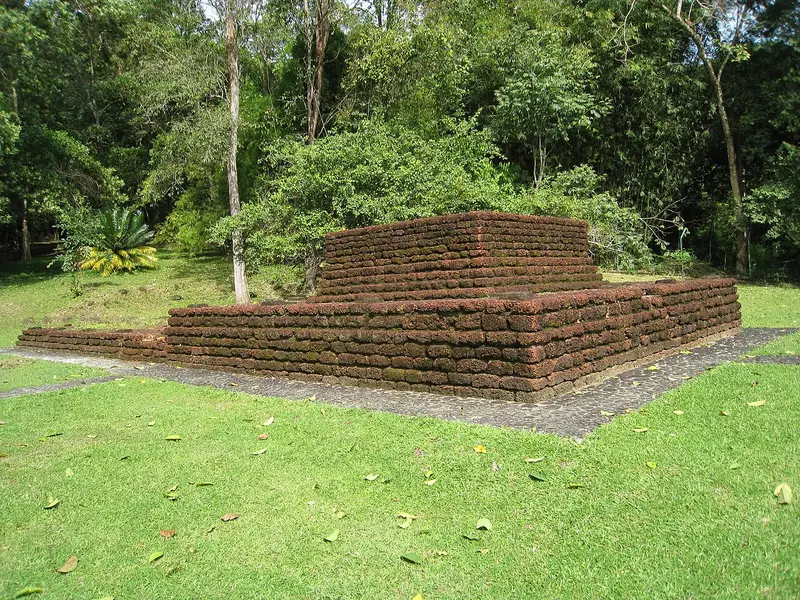 Bujang Valley
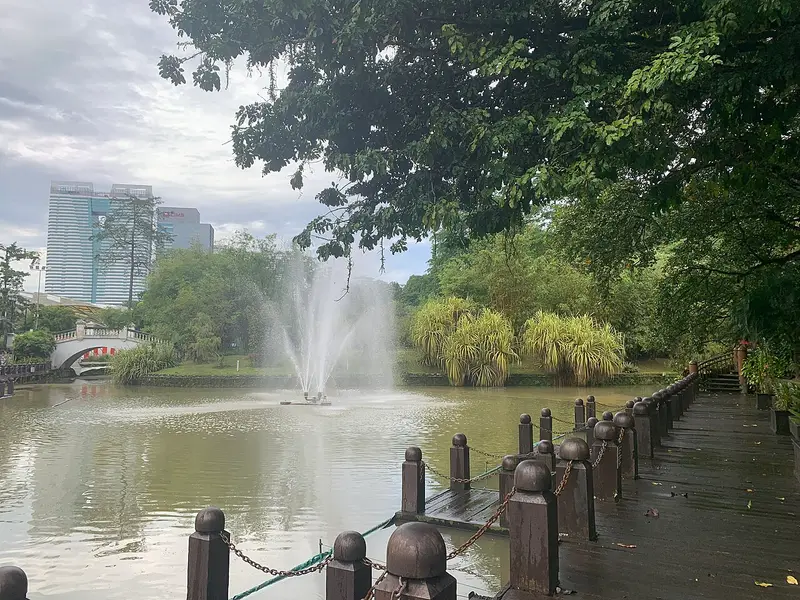 Perdana Botanical Gardens
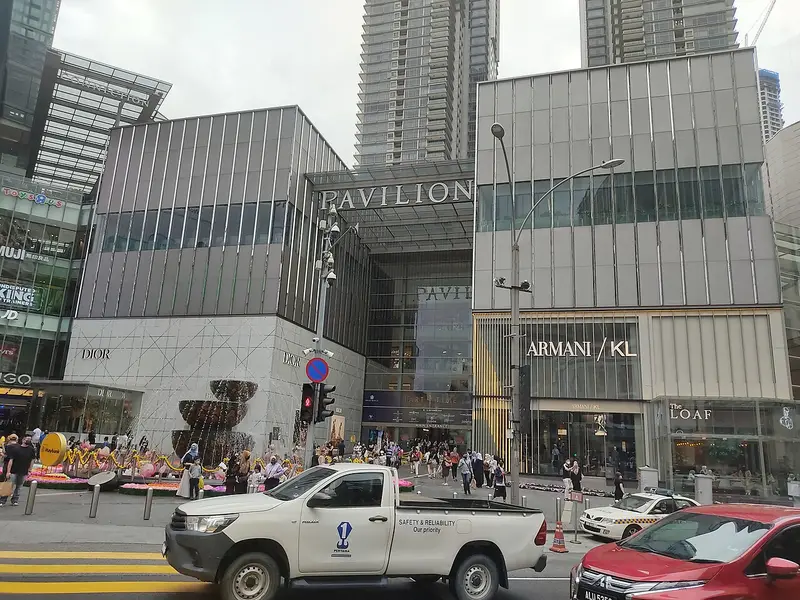 Pavilion Kuala Lumpur
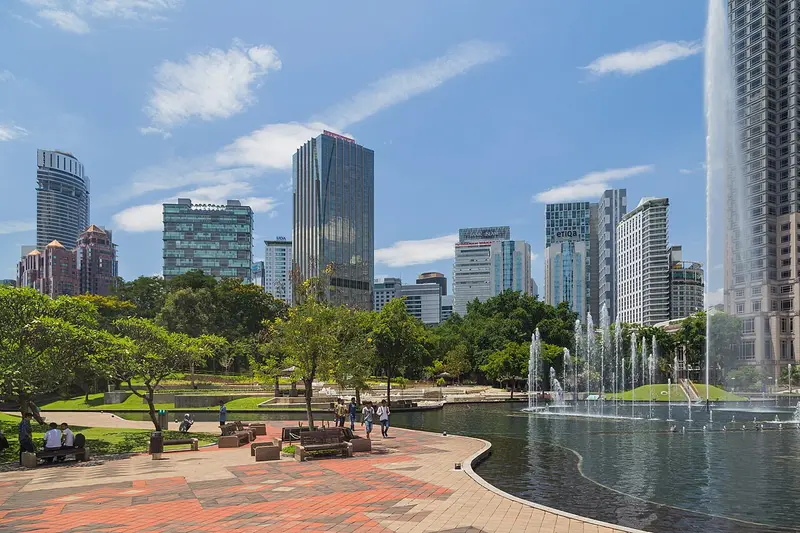 KLCC Park
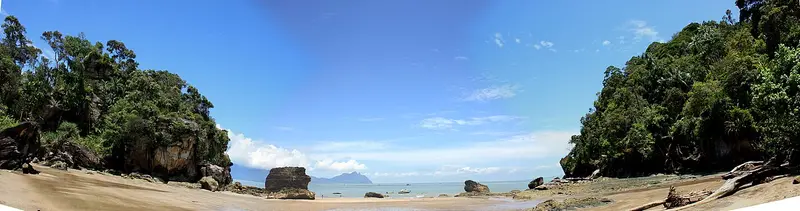 Bako National Park
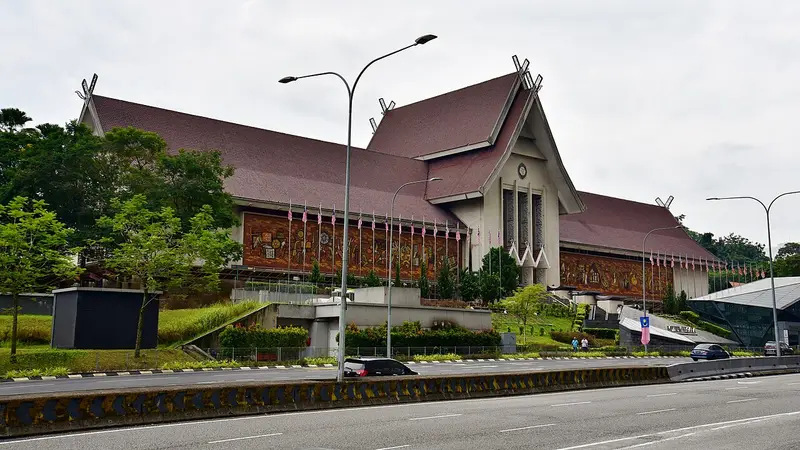 National Museum
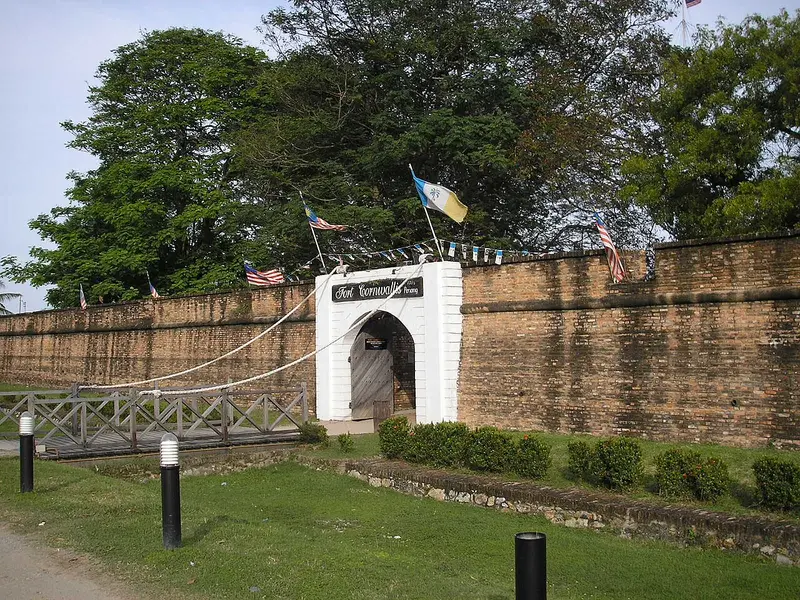 Fort Cornwallis
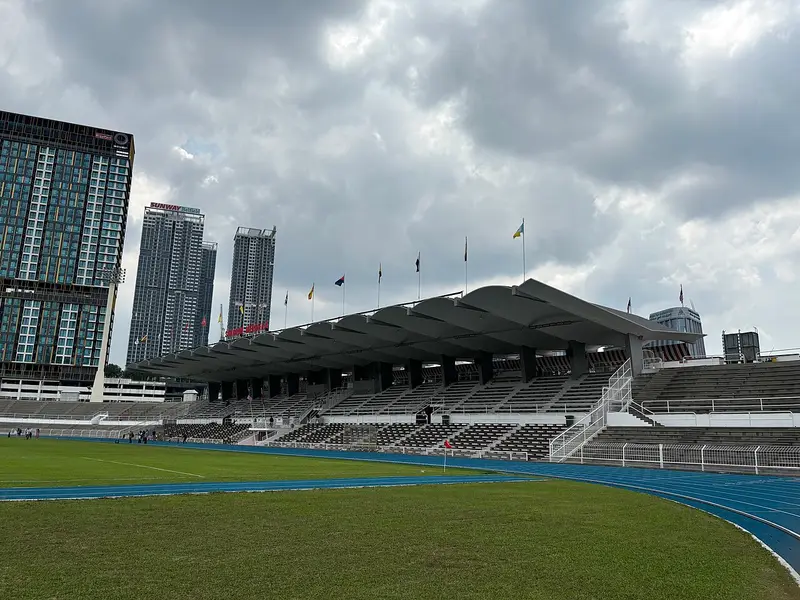 Stadium Merdeka
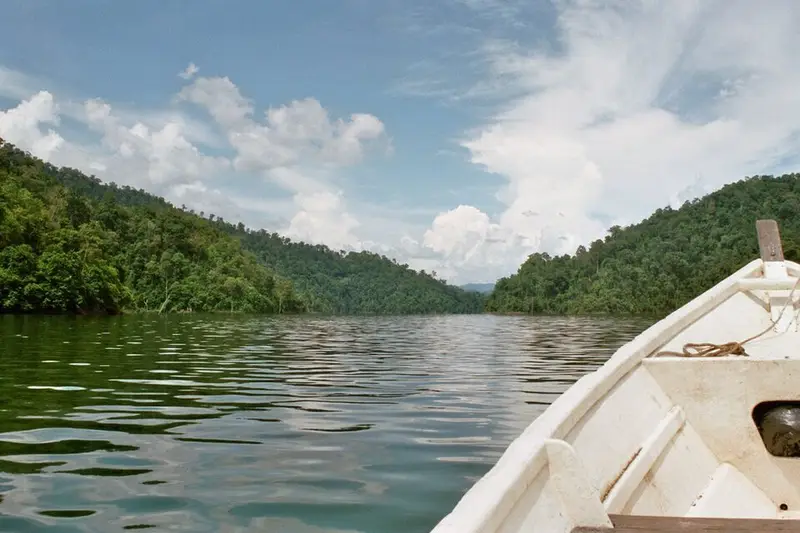 Belum-Temengor
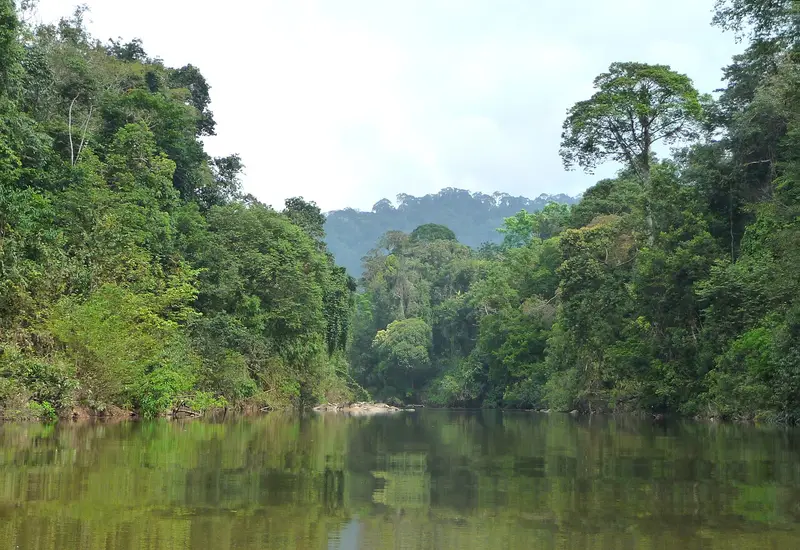 Endau-Rompin National Park
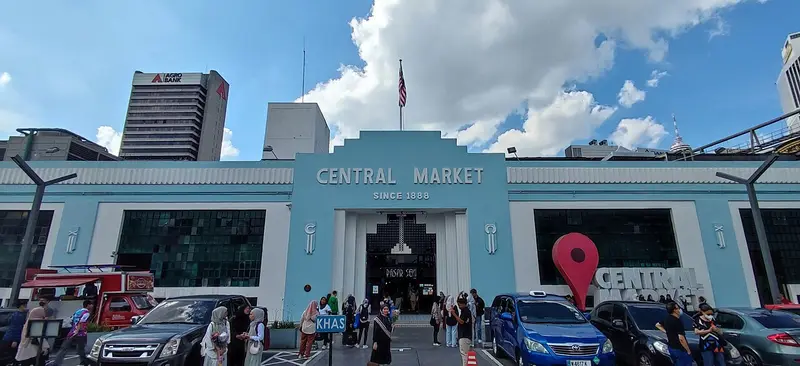 Central Market
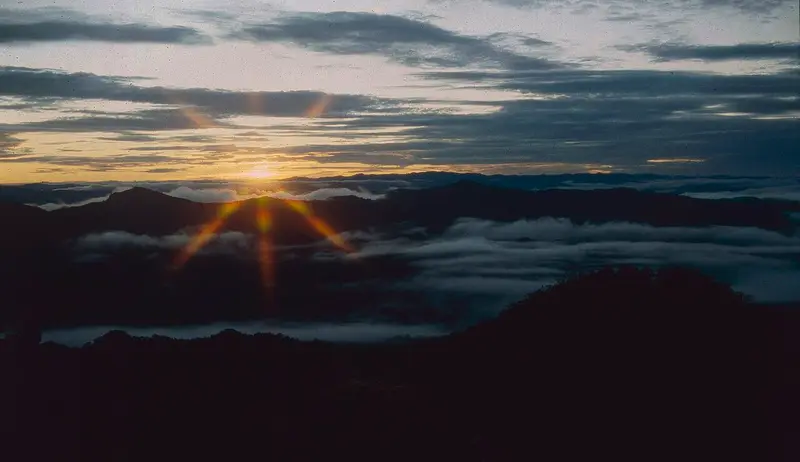 Bukit Pagon
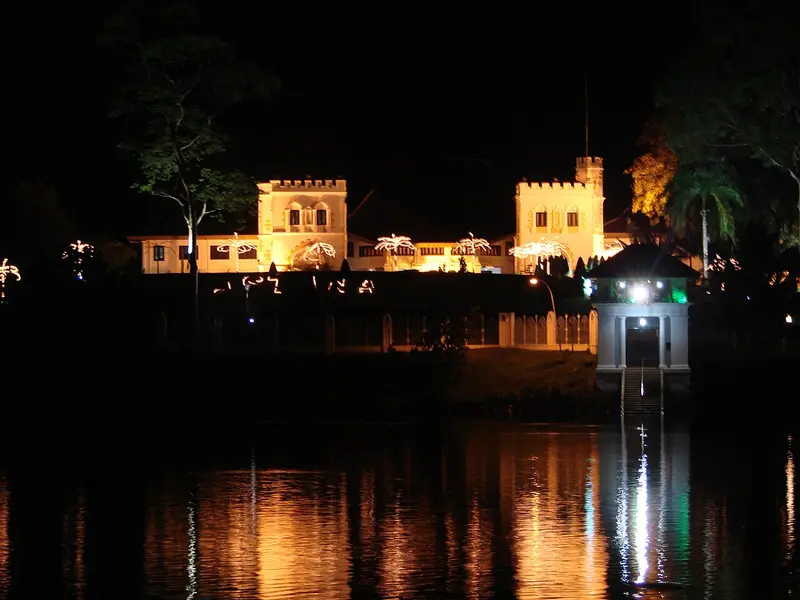 The Astana
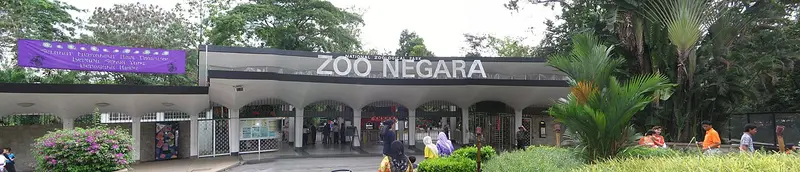 National Zoo of Malaysia
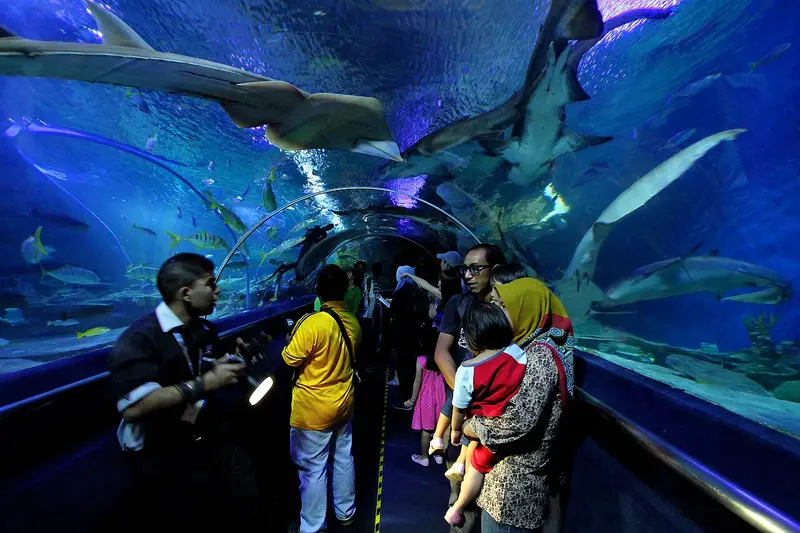 Aquaria KLCC
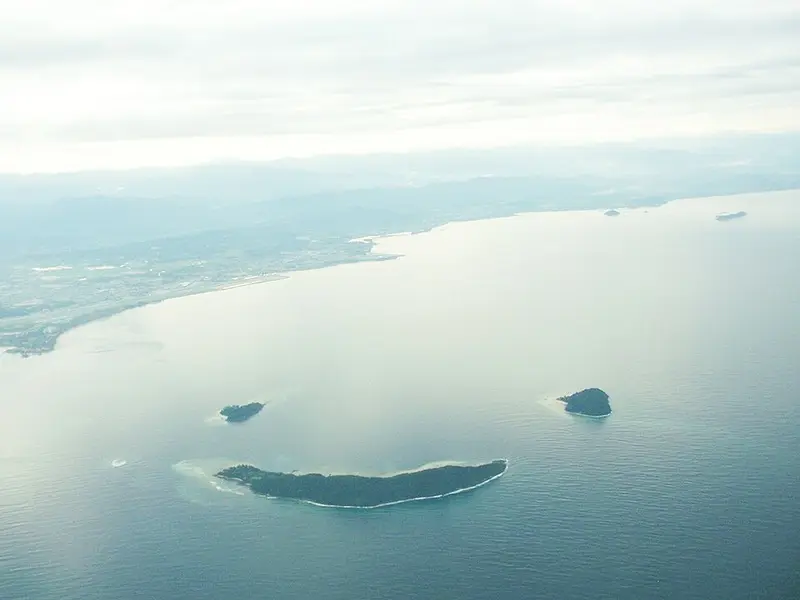 Tunku Abdul Rahman National Park
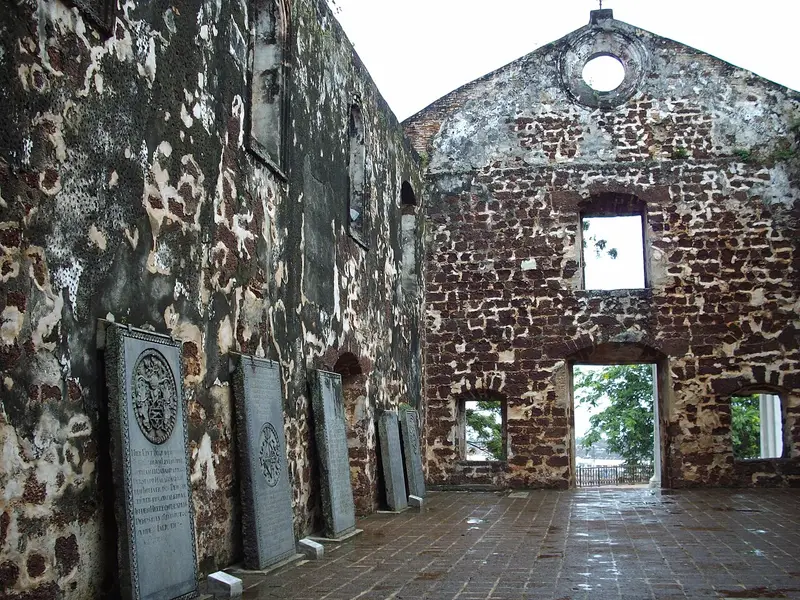 St. Paul's Church
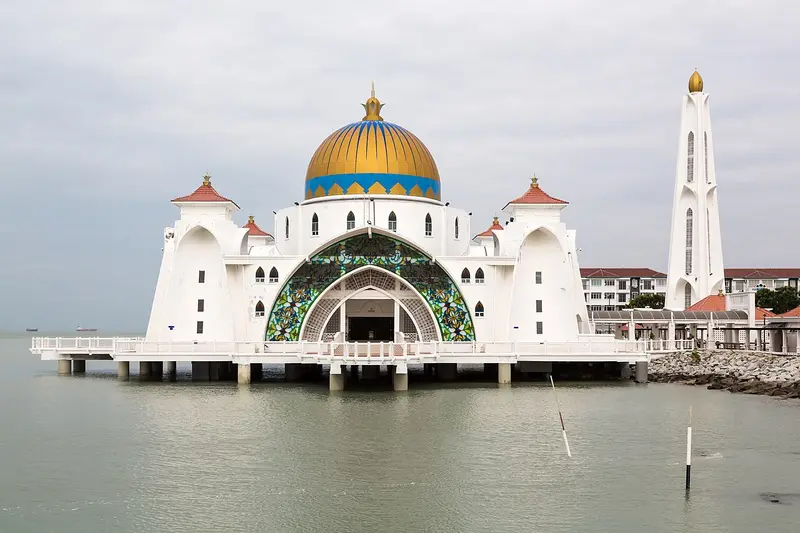 Malacca Straits Mosque
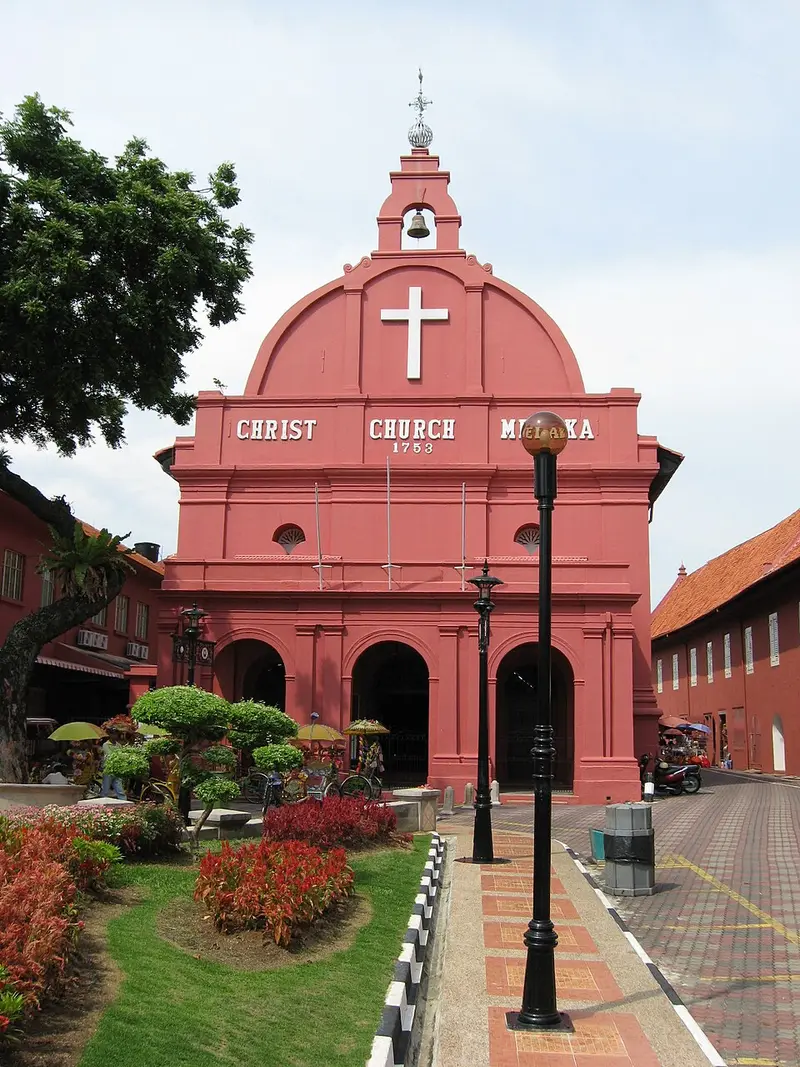 Christ Church, Malacca
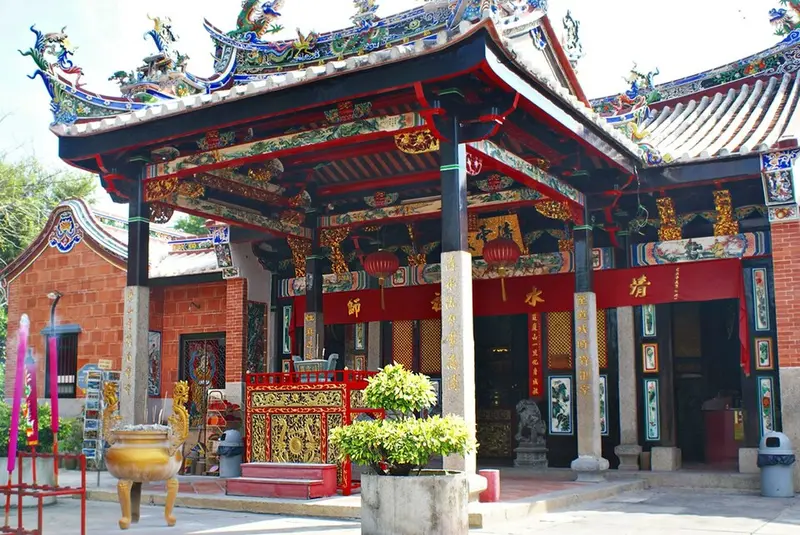 Snake Temple
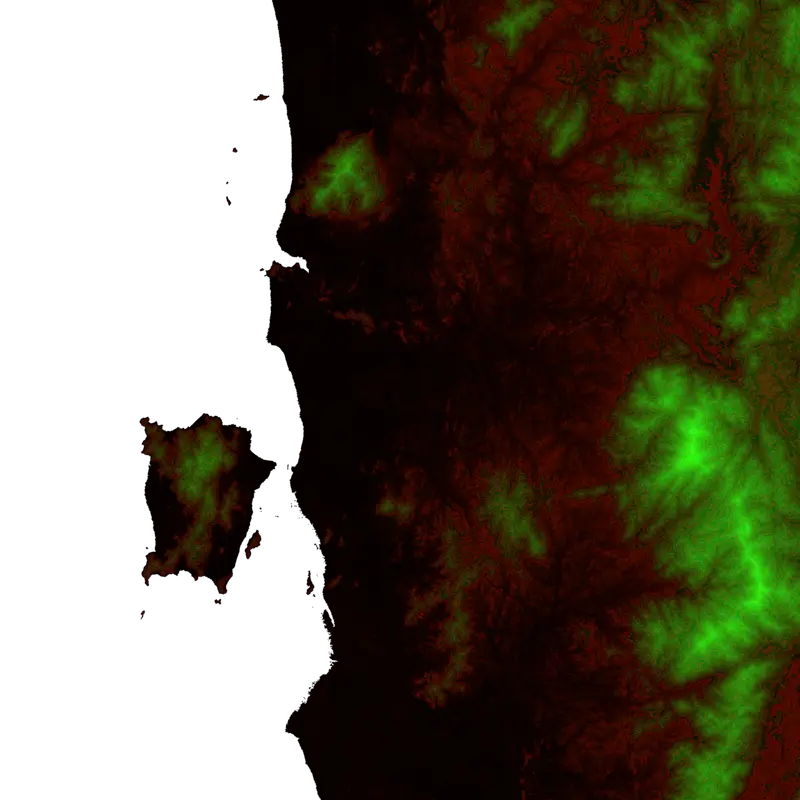 Mount Jerai
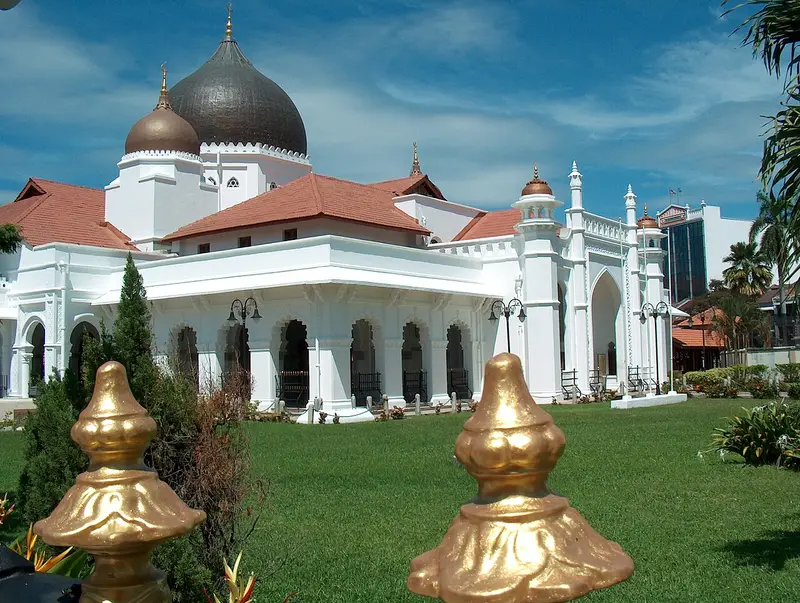 Kapitan Keling Mosque
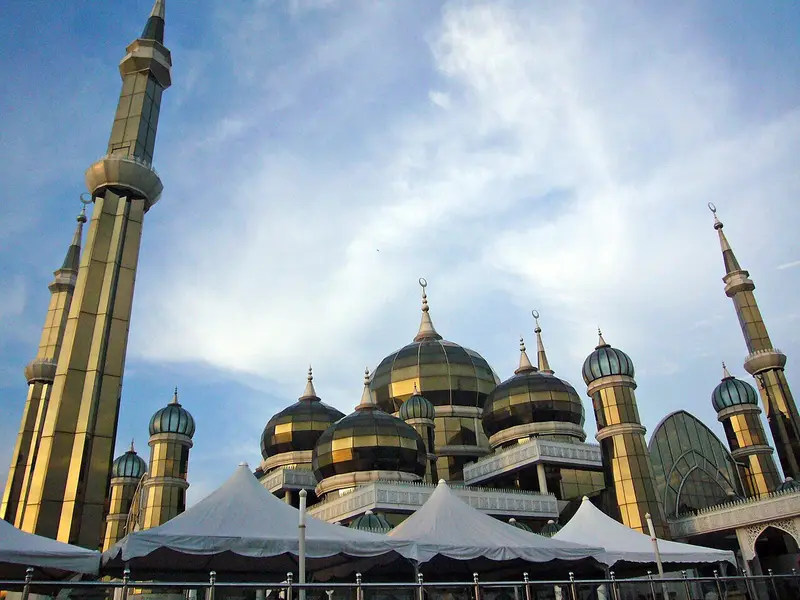 Crystal Mosque
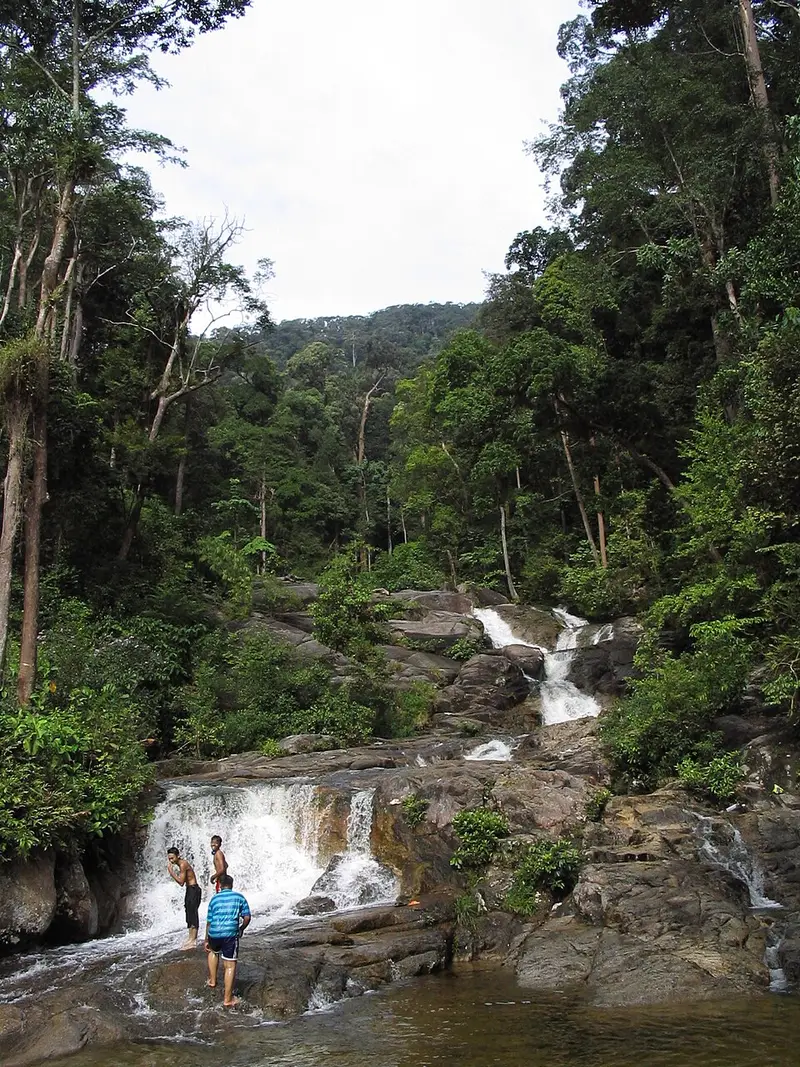 Mount Ledang
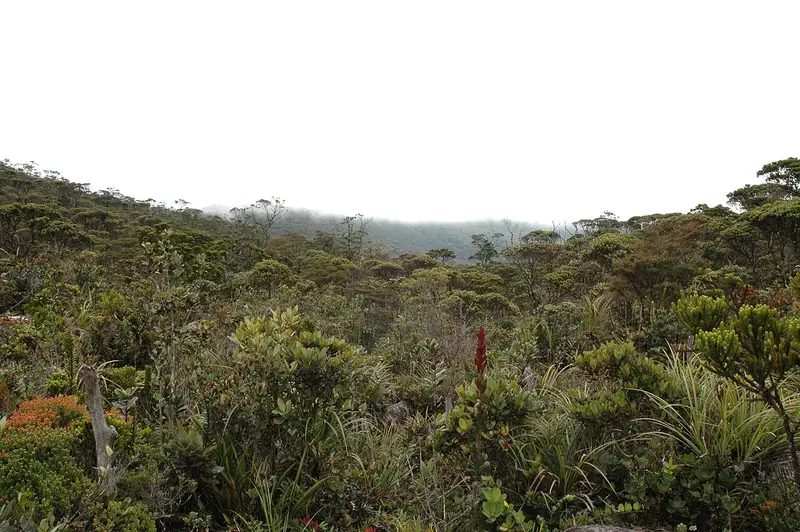 Mount Murud
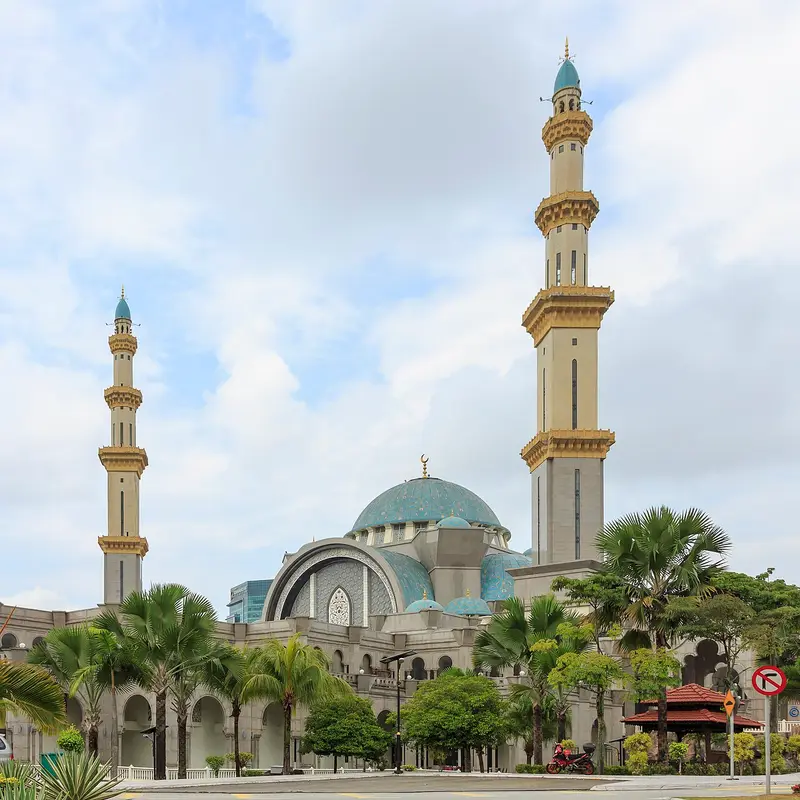 Federal Territory Mosque
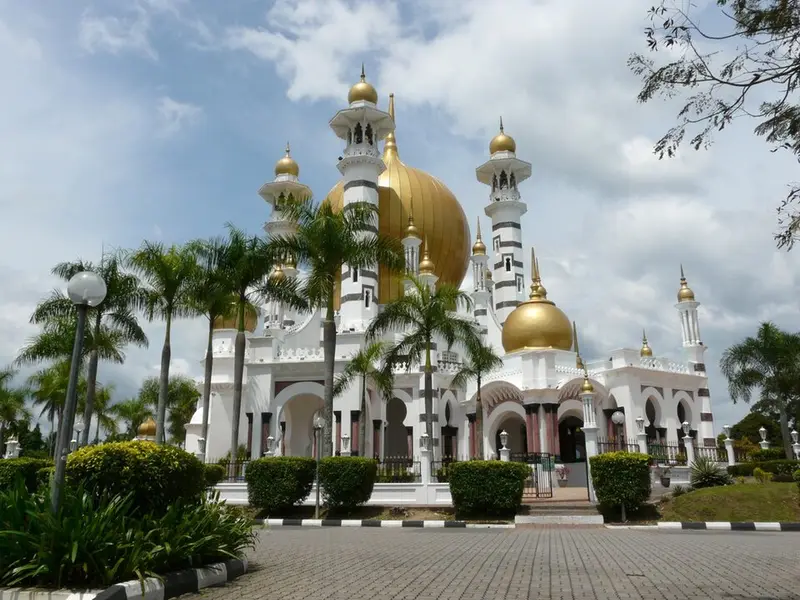 Ubudiah Mosque
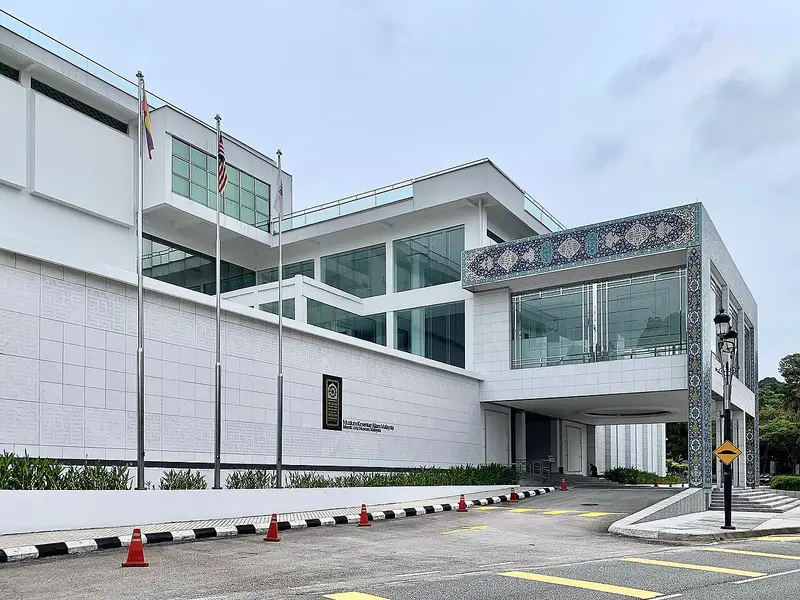 Islamic Arts Museum Malaysia
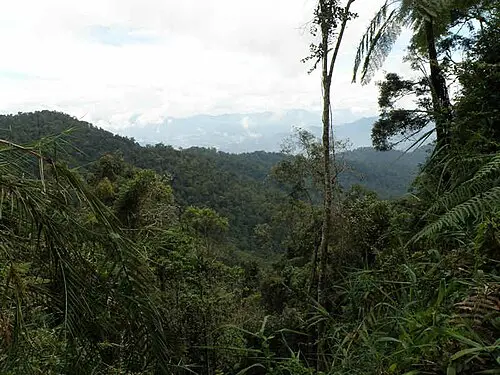 Larut Hill
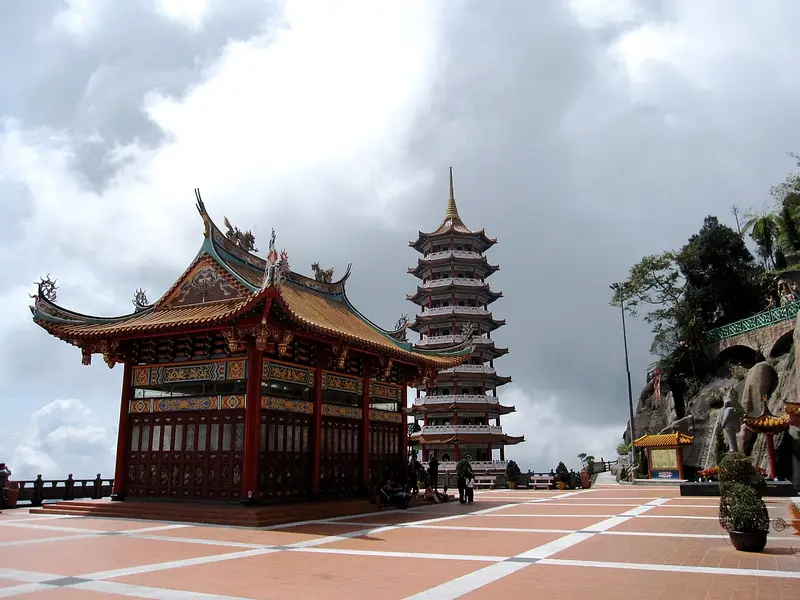 Chin Swee Caves Temple
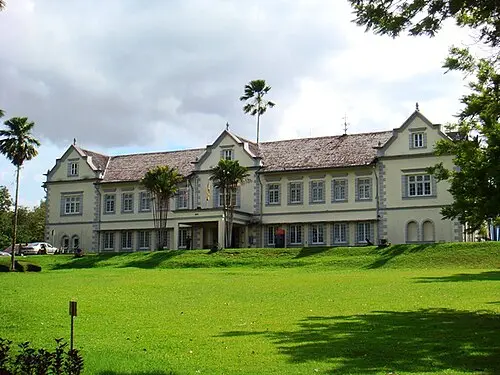 Sarawak State Museum
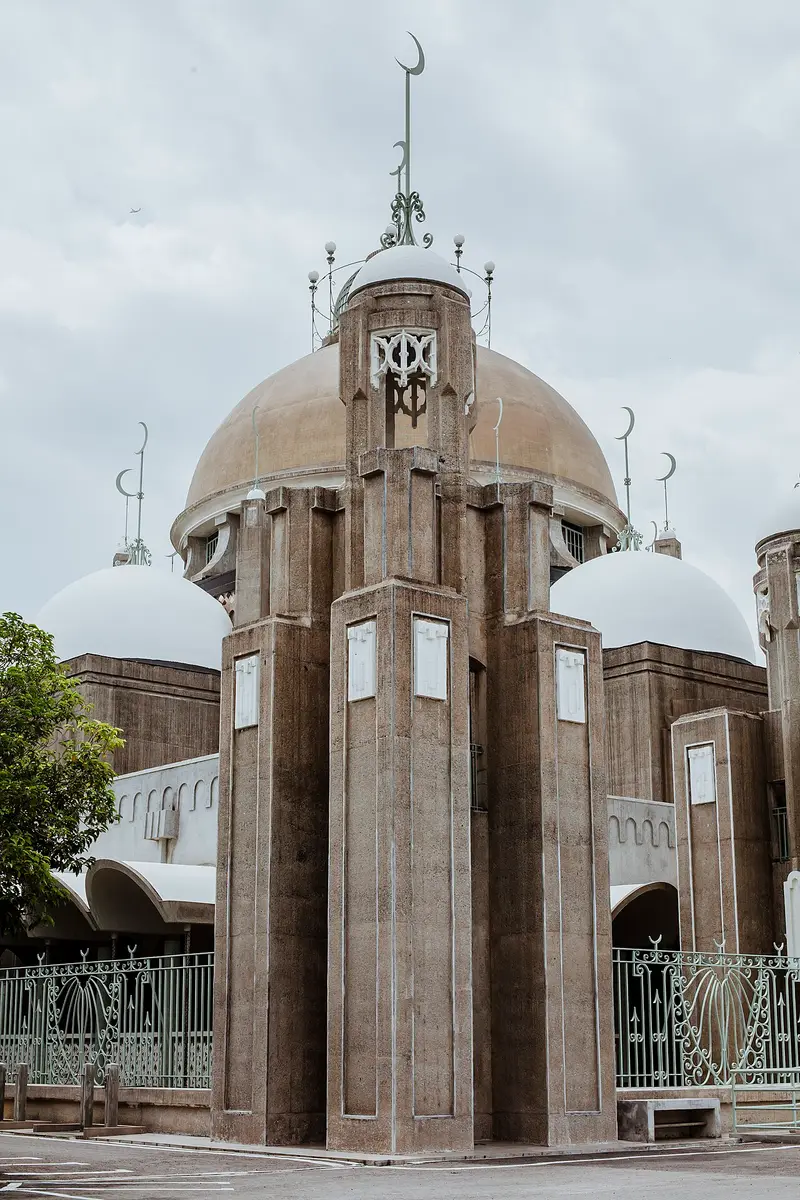 Sultan Sulaiman Mosque
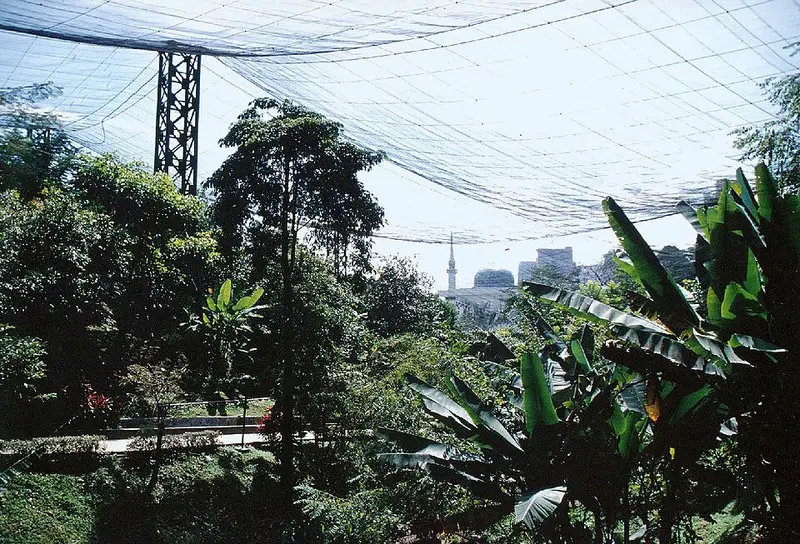 Kuala Lumpur Bird Park
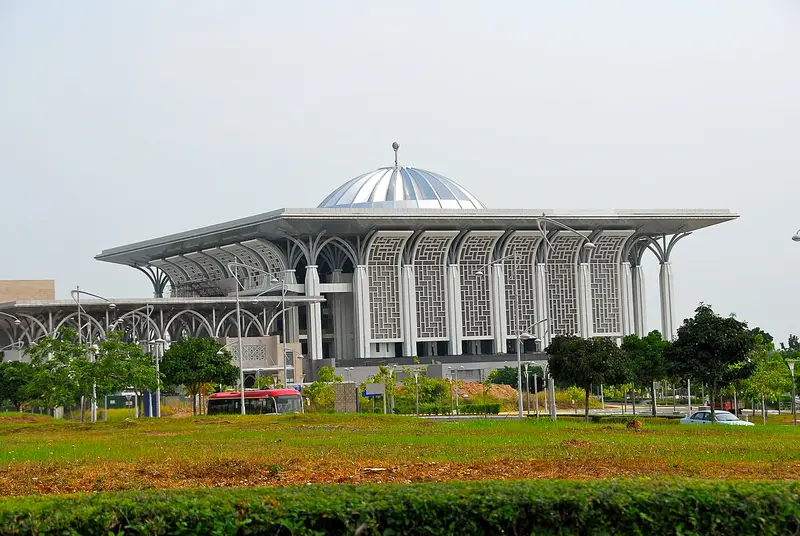 Tuanku Mizan Zainal Abidin Mosque
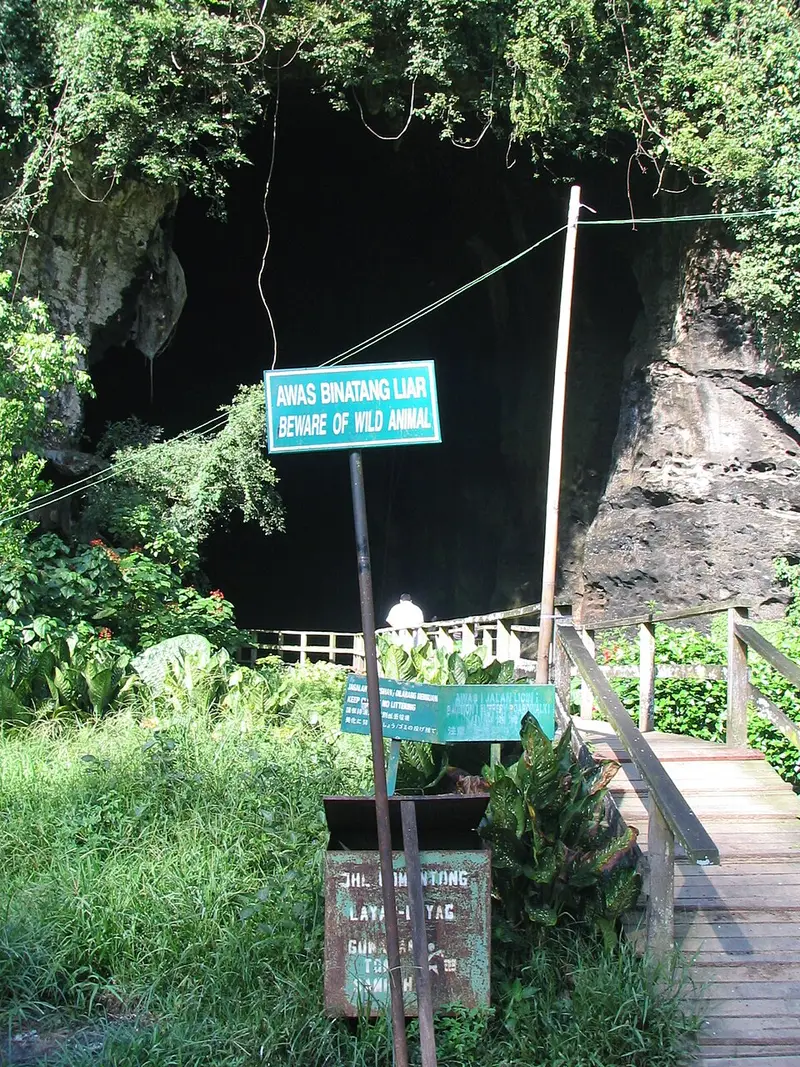 Gomantong Caves
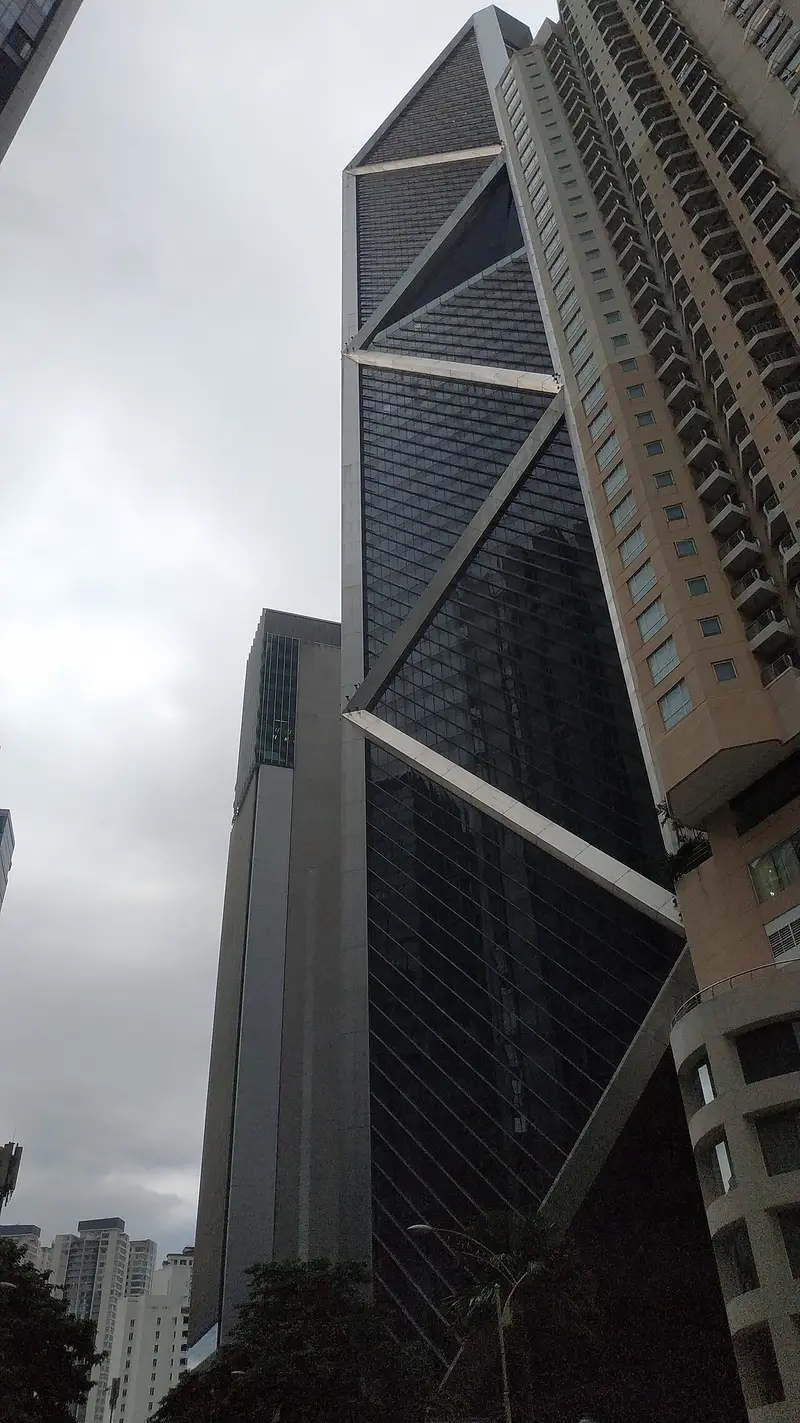 Ilham Tower
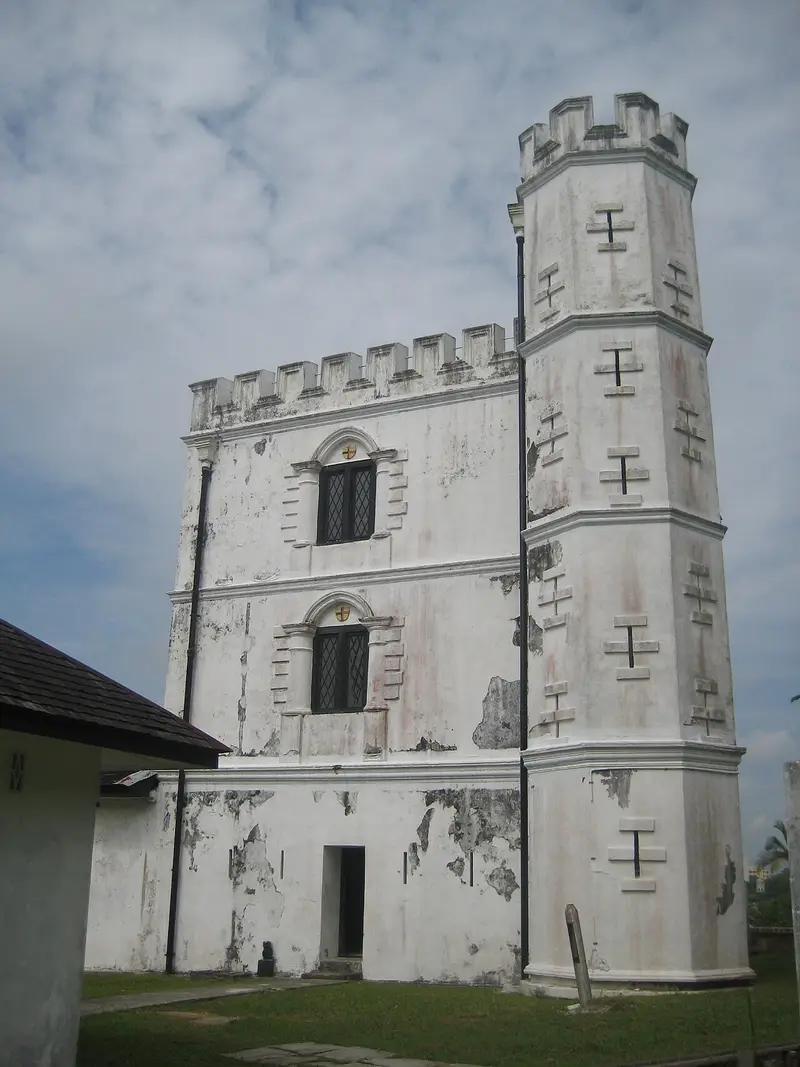 Fort Margherita
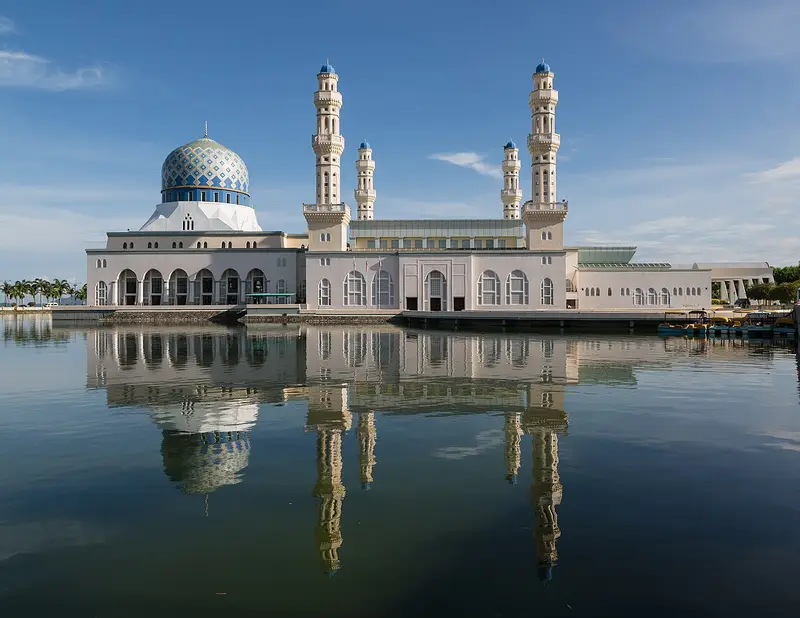 Kota Kinabalu City Mosque
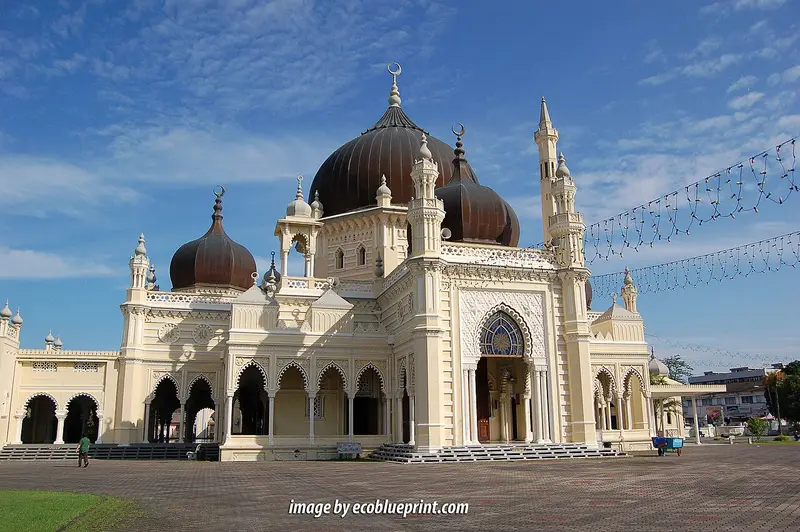 Zahir Mosque
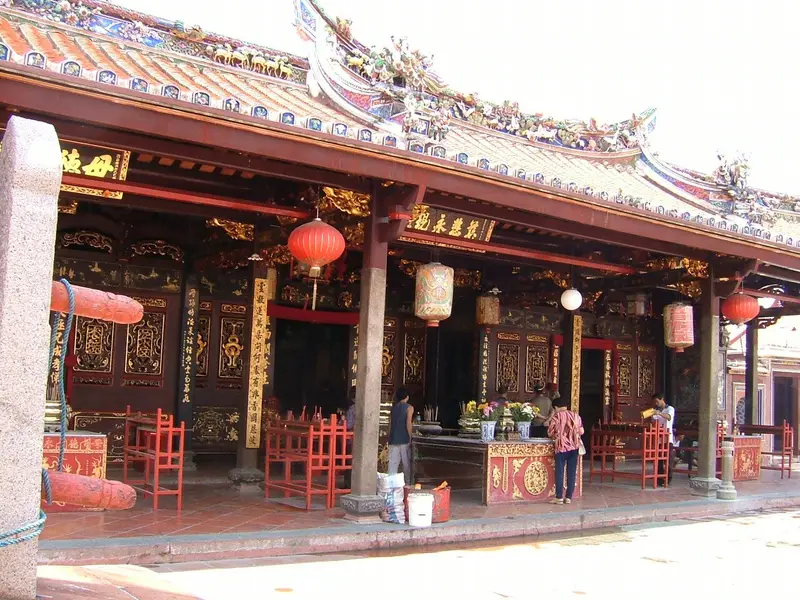 Cheng Hoon Teng
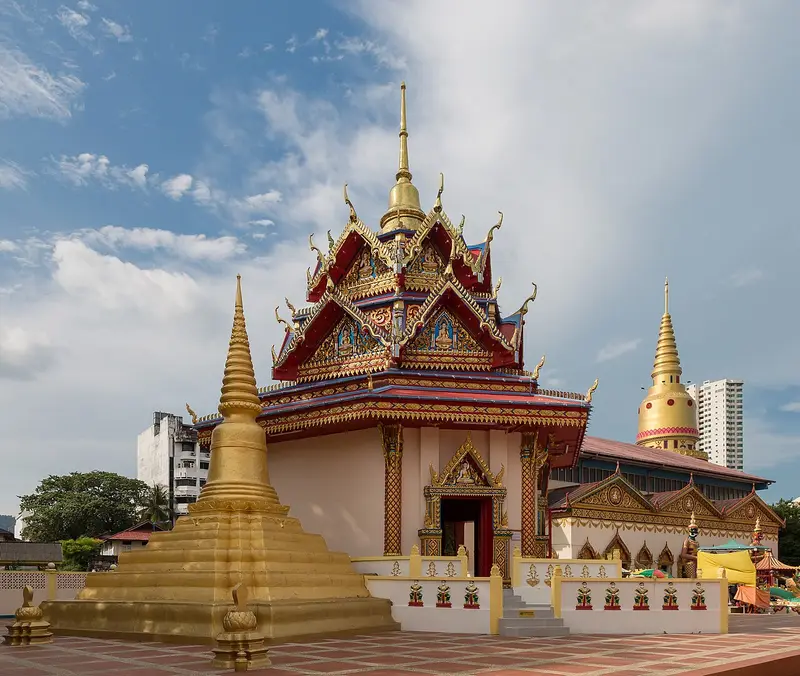 Wat Chayamangkalaram
 Istana Budaya
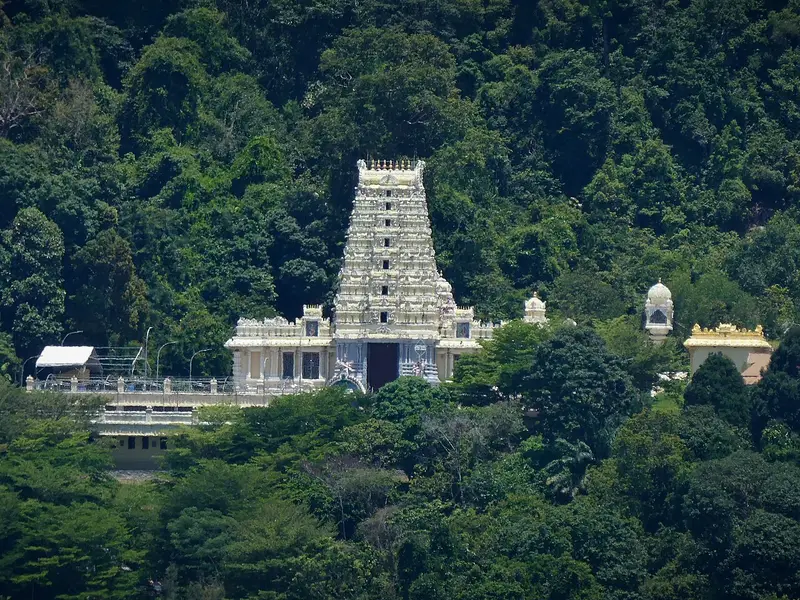 Balathandayuthapani Temple
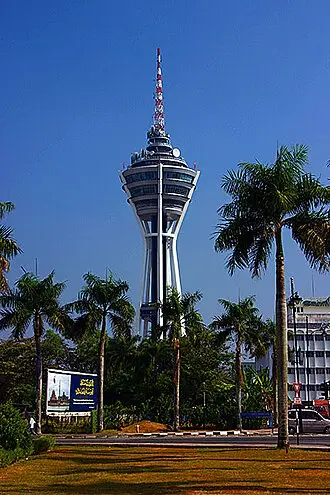 Alor Setar Tower
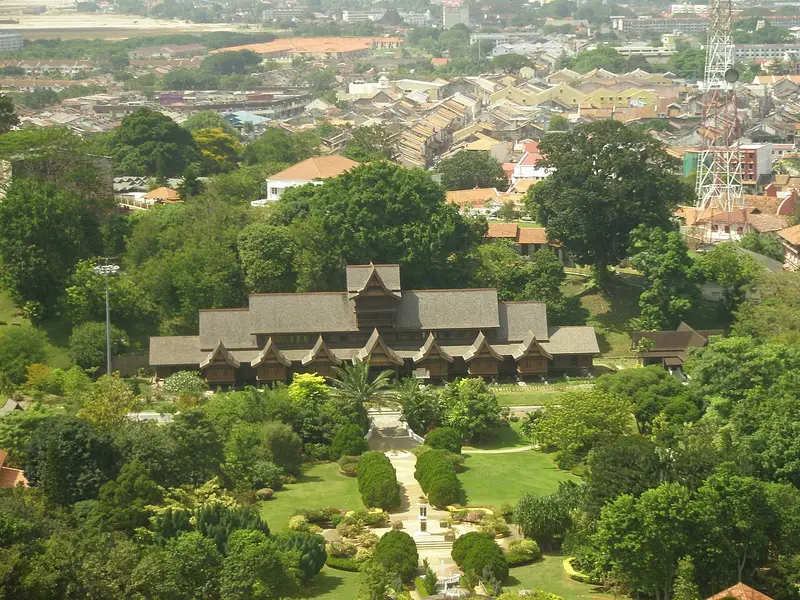 Malacca Sultanate Palace Museum
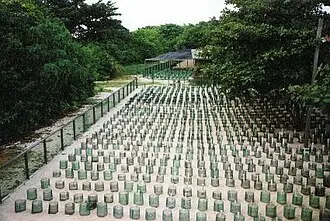 Turtle Islands National Park
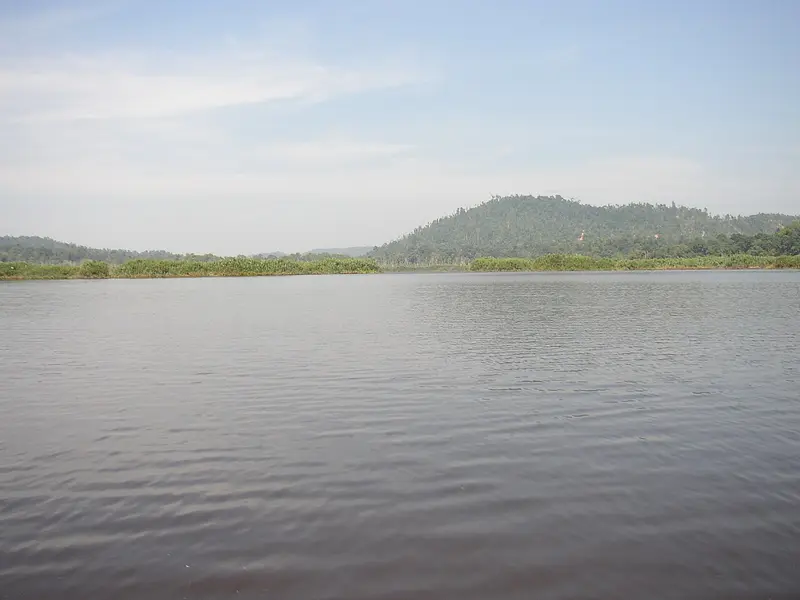 Chini Lake
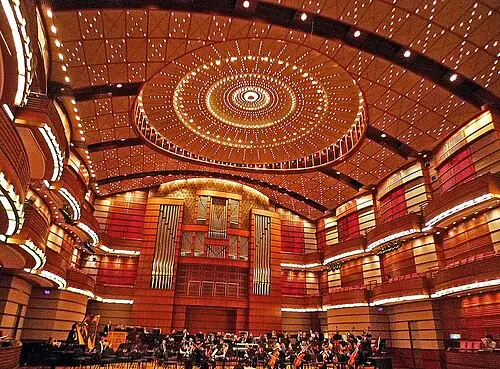 Petronas Philharmonic Hall
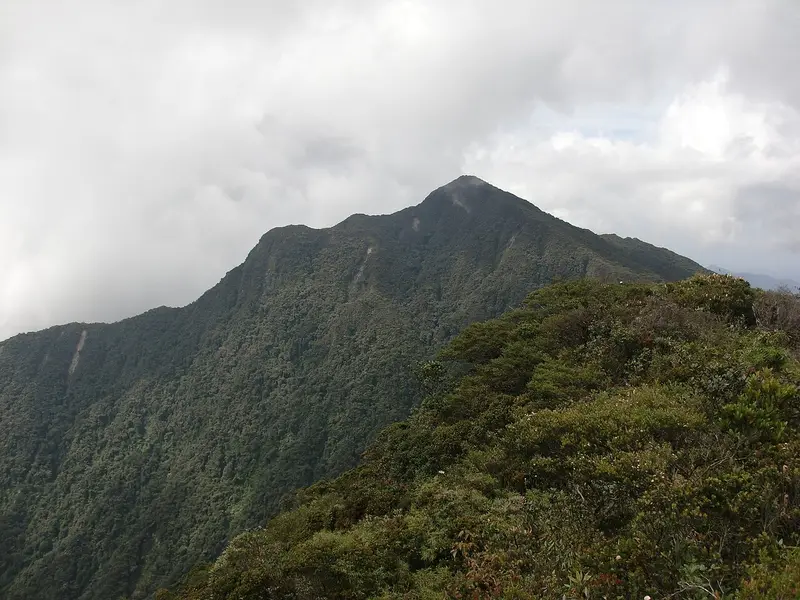 Mount Korbu
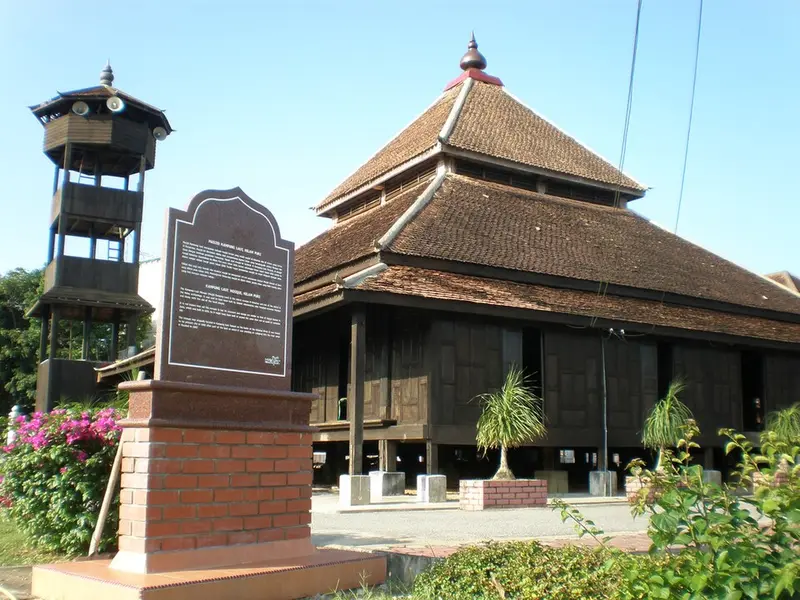 Kampung Laut Mosque
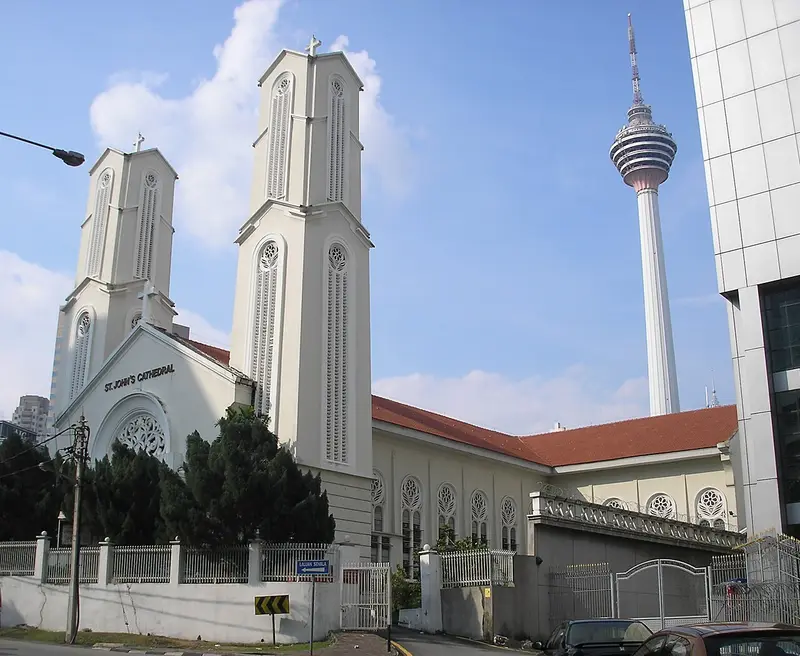 St. John's Cathedral
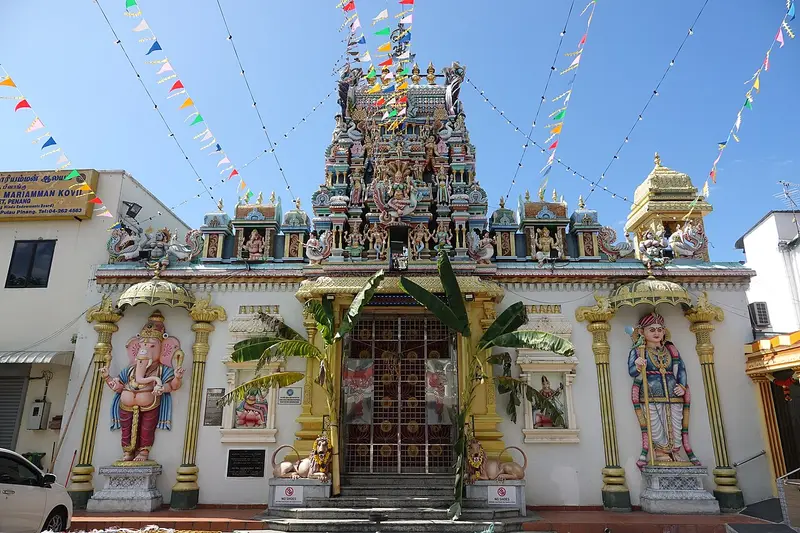 Sri Mahamariamman Temple, Penang
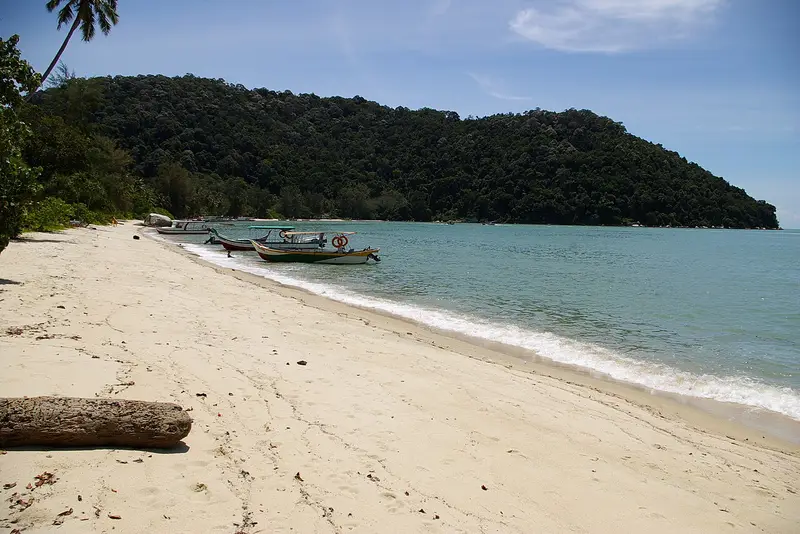 Penang National Park
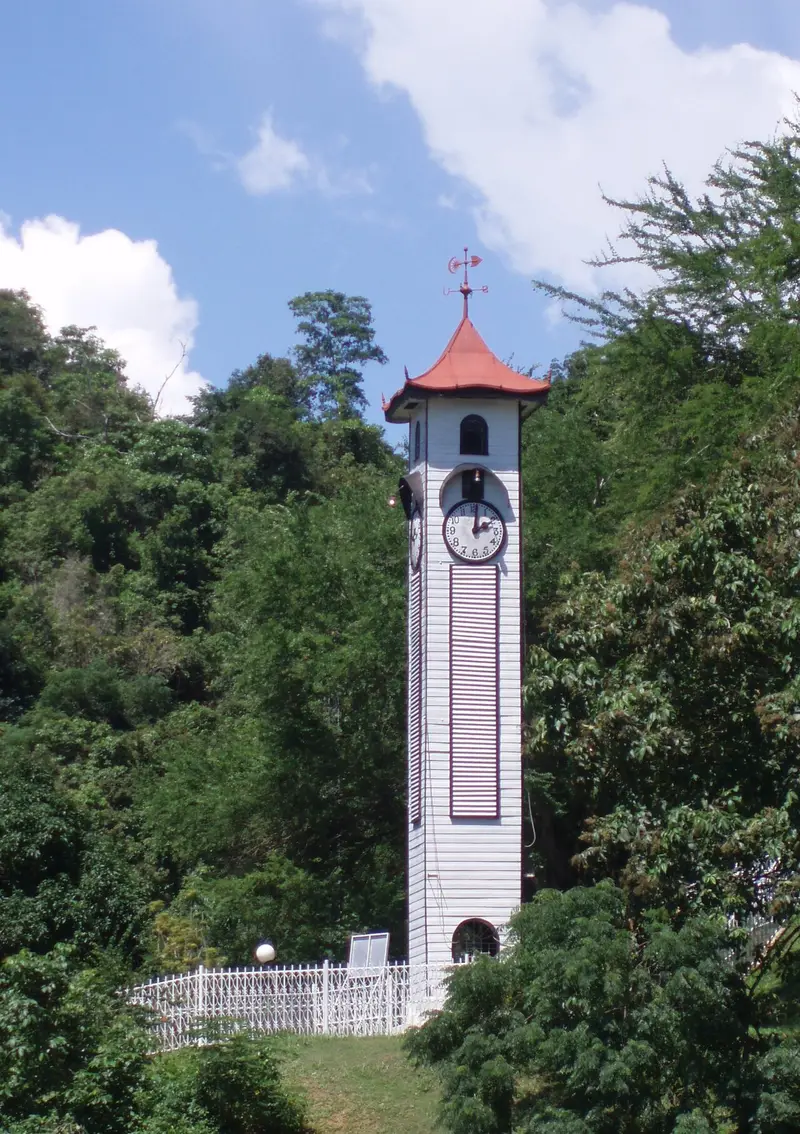 Atkinson Clock Tower
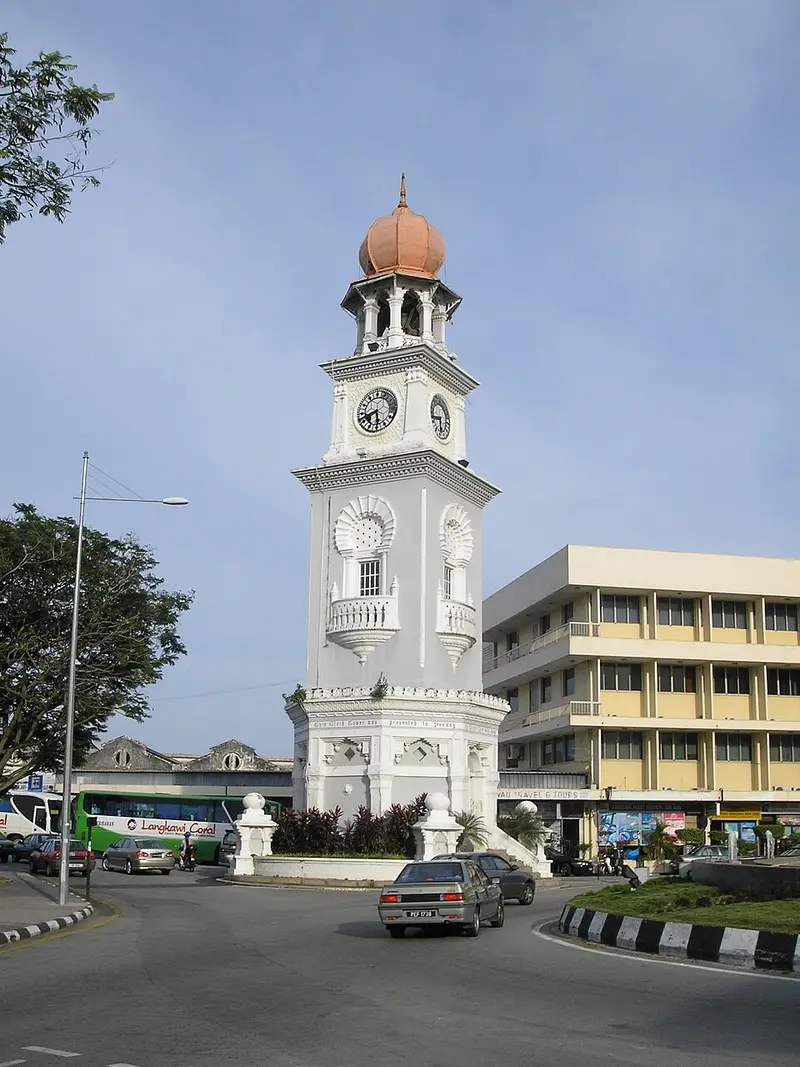 Jubilee Clock Tower
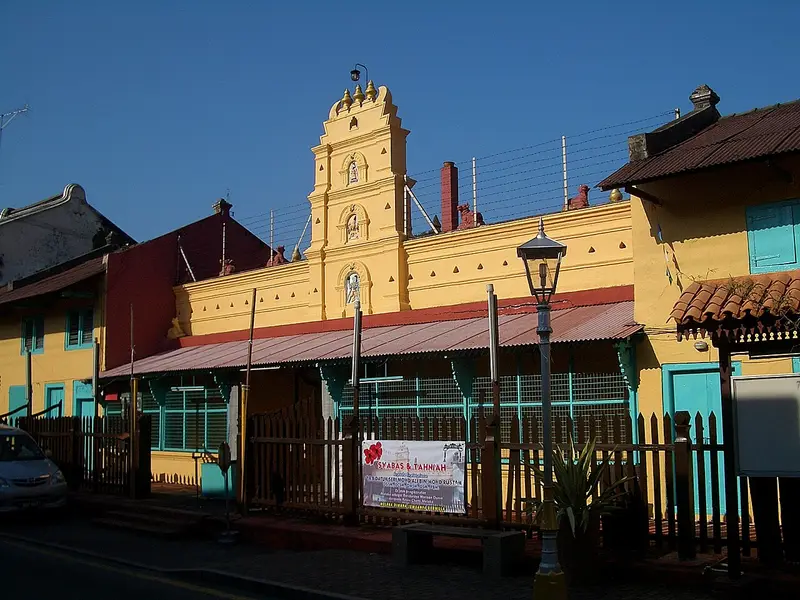 Sri Poyatha Moorthi Temple
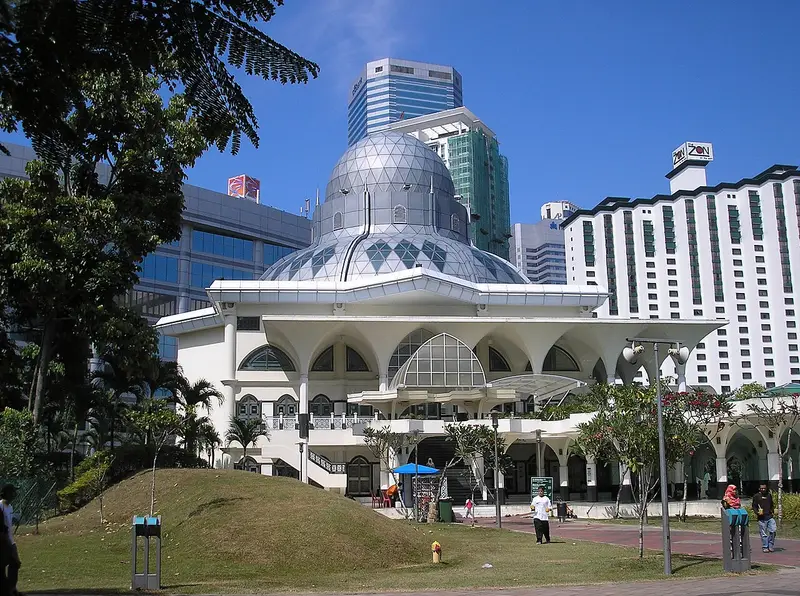 As Syakirin Mosque
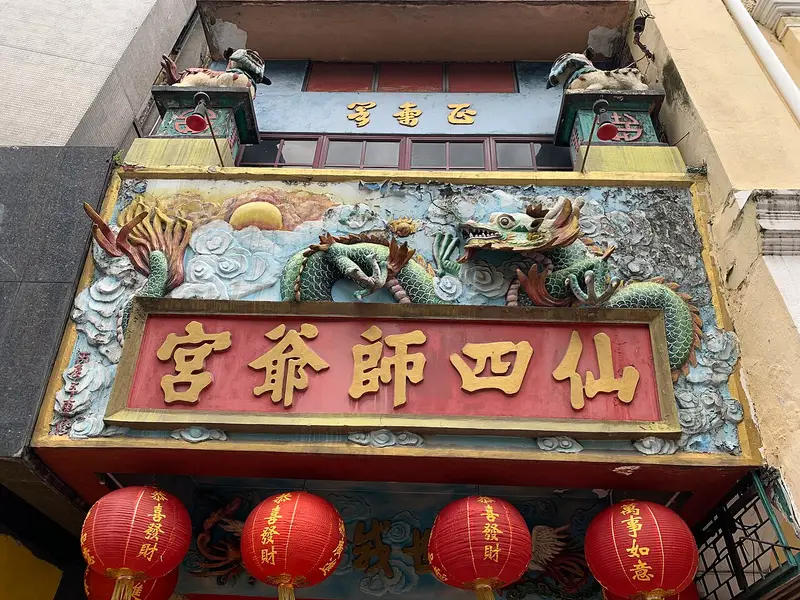 Sin Sze Si Ya Temple
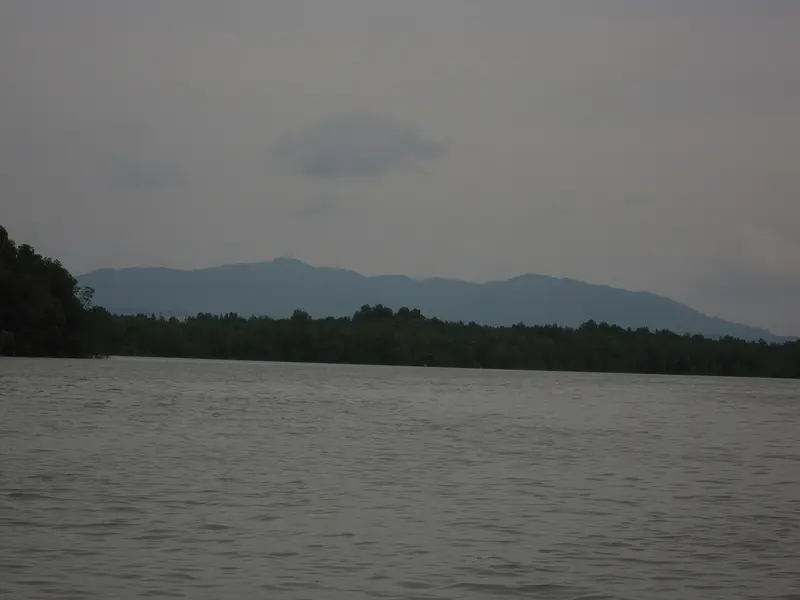 Mount Pulai
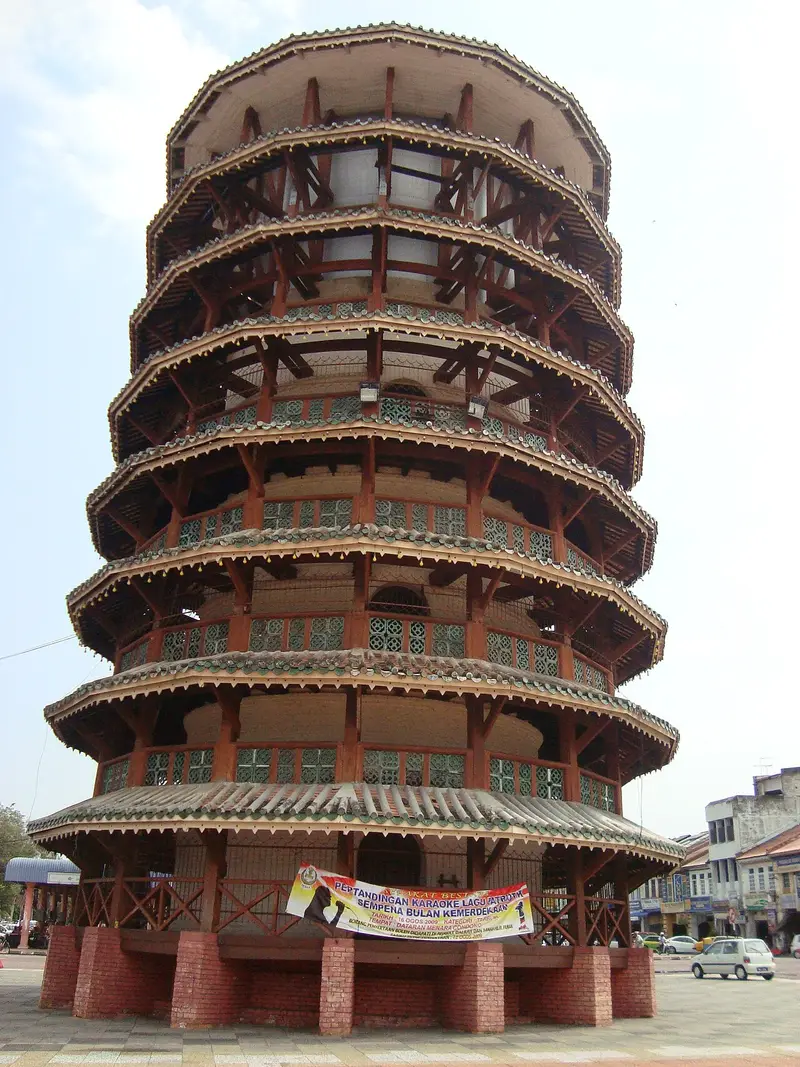 Leaning Tower of Teluk Intan
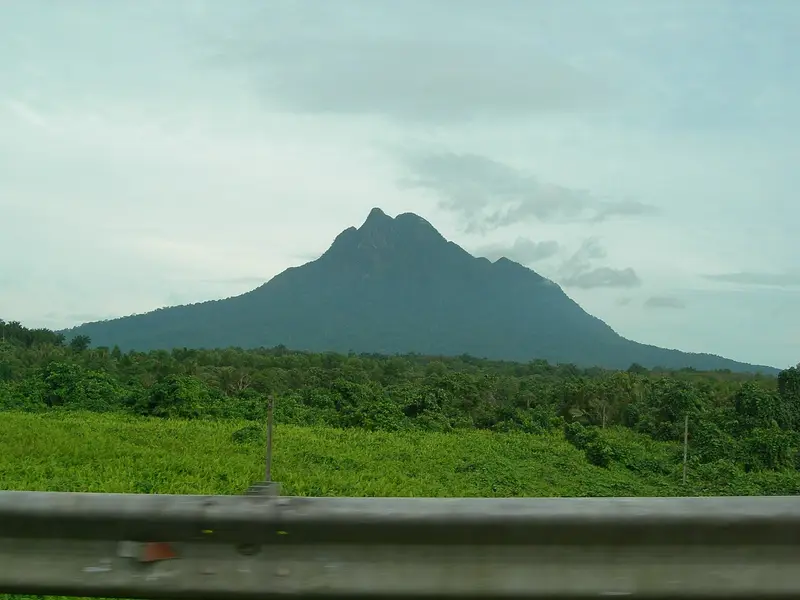 Mount Santubong
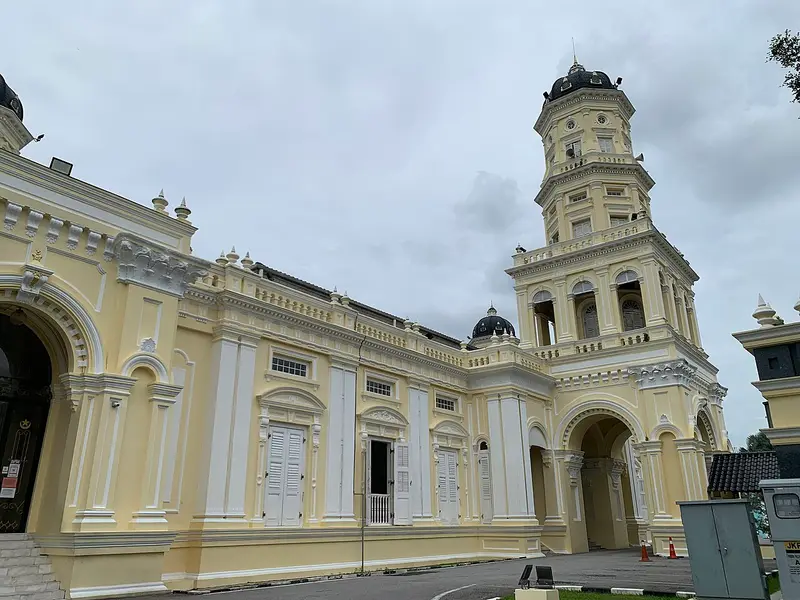 Sultan Abu Bakar Mosque
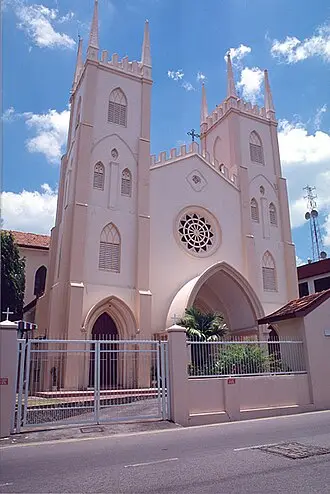 Church of St. Francis Xavier
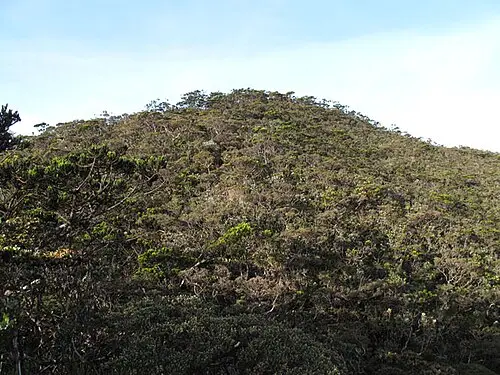 Mount Tambuyukon
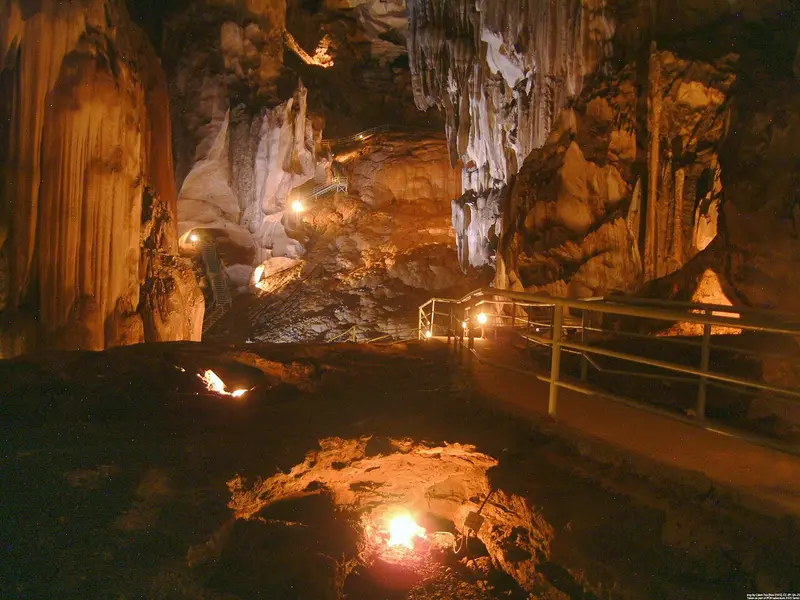 Gua Tempurung
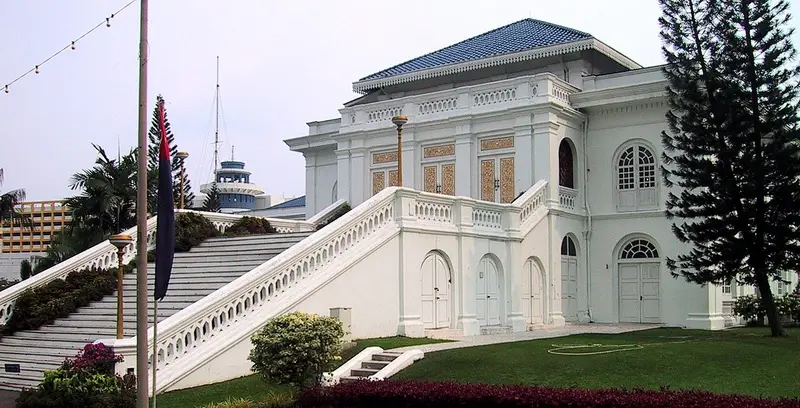 Istana Besar
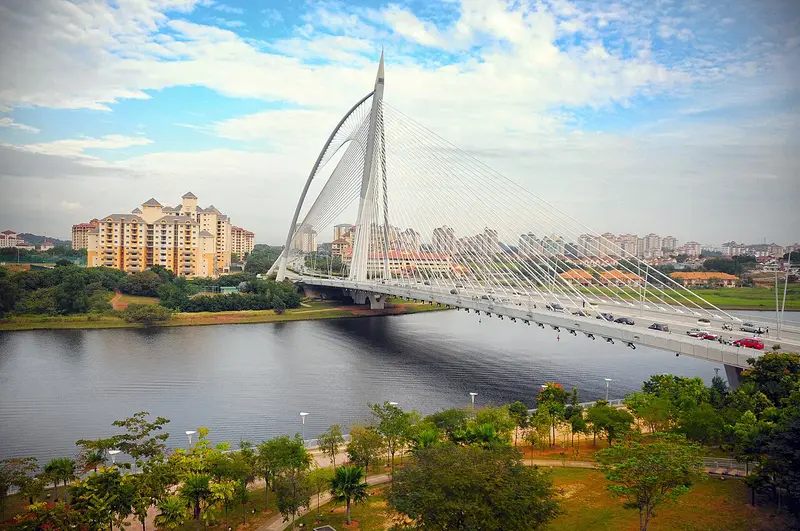 Seri Wawasan Bridge
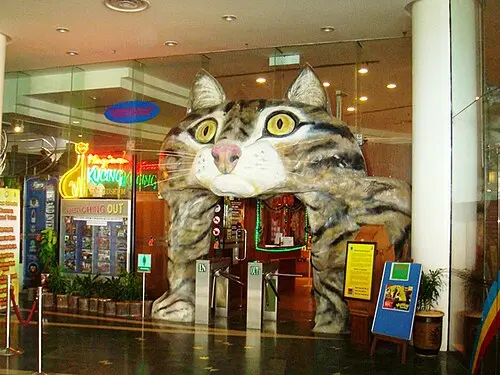 Kuching Cat Museum
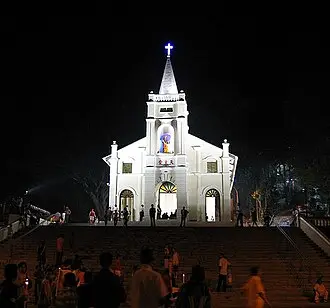 Minor Basilica of St. Anne
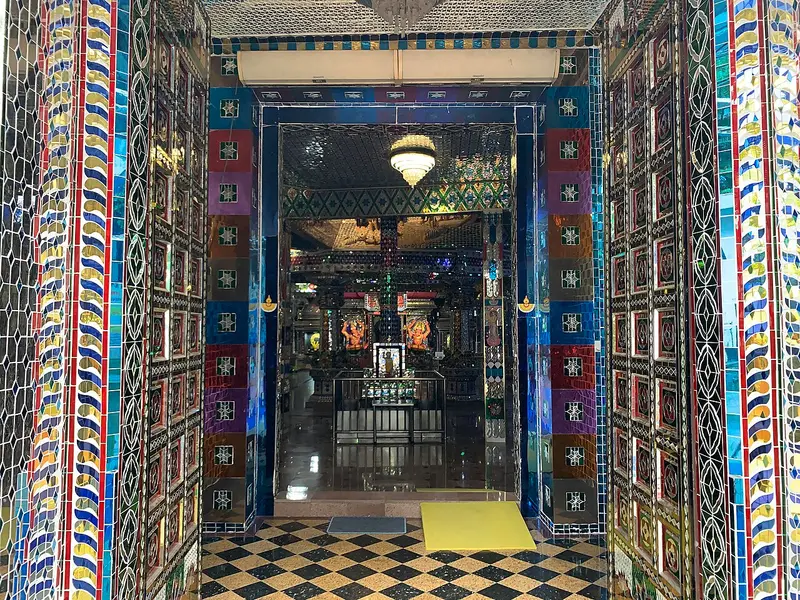 Arulmigu Sri Rajakaliamman Glass Temple
 Putrajaya Lake
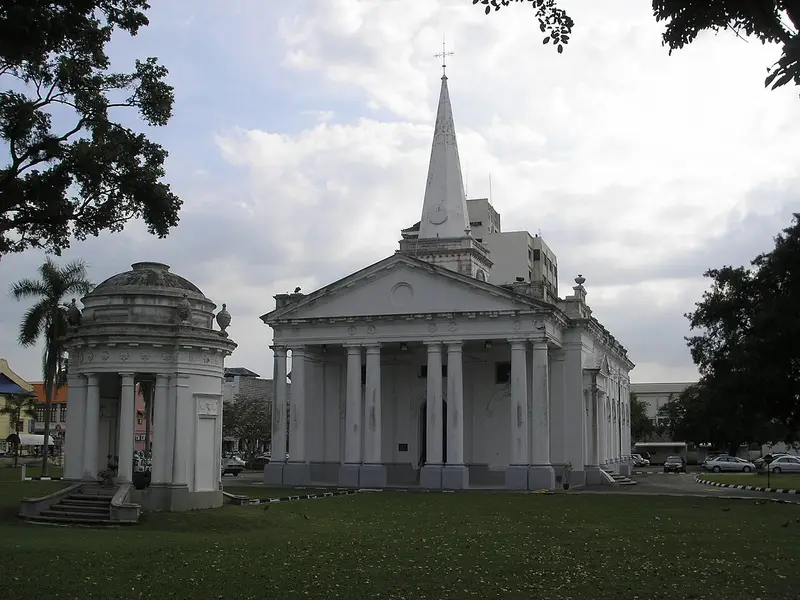 St. George's Church
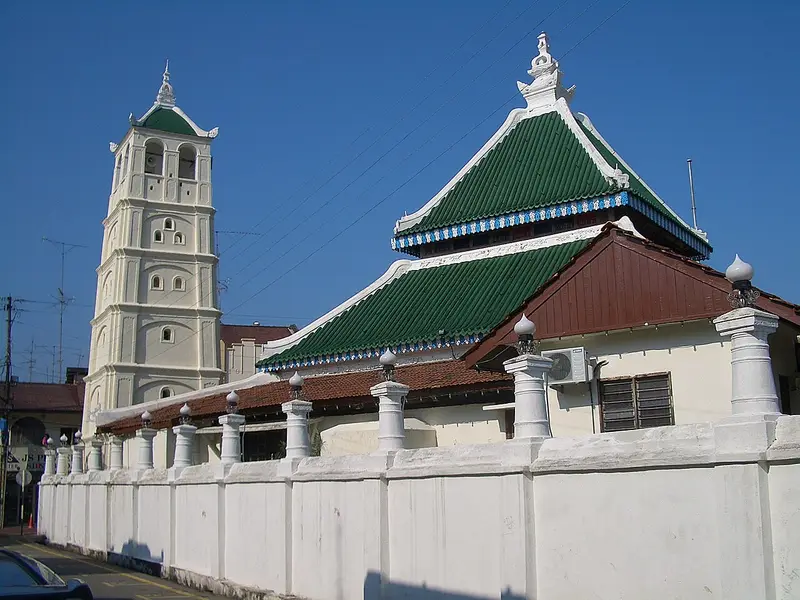 Kampung Kling Mosque
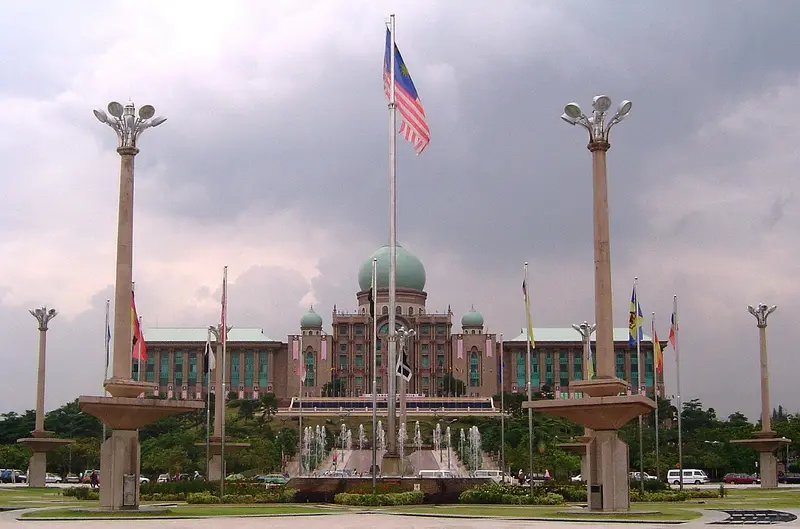 Putra Square
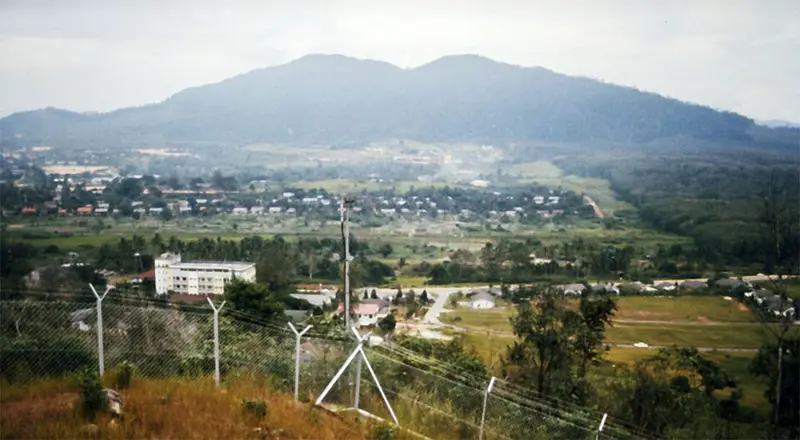 Mount Lambak
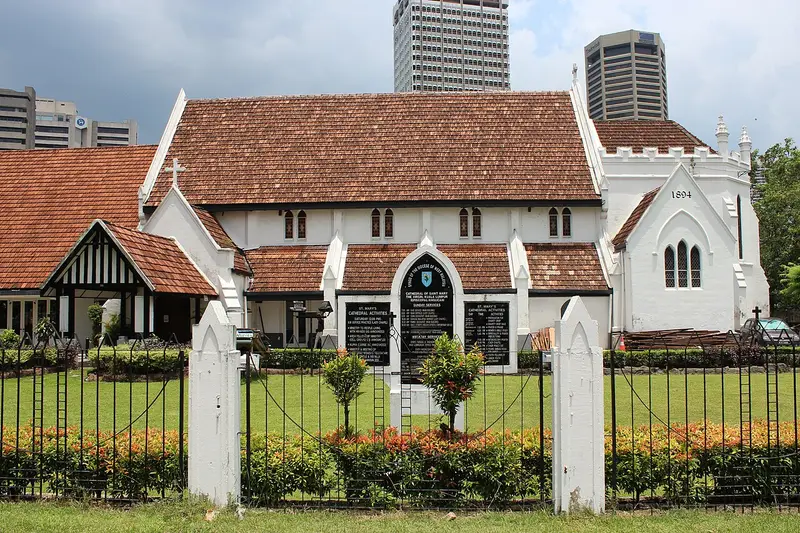 St. Mary's Cathedral
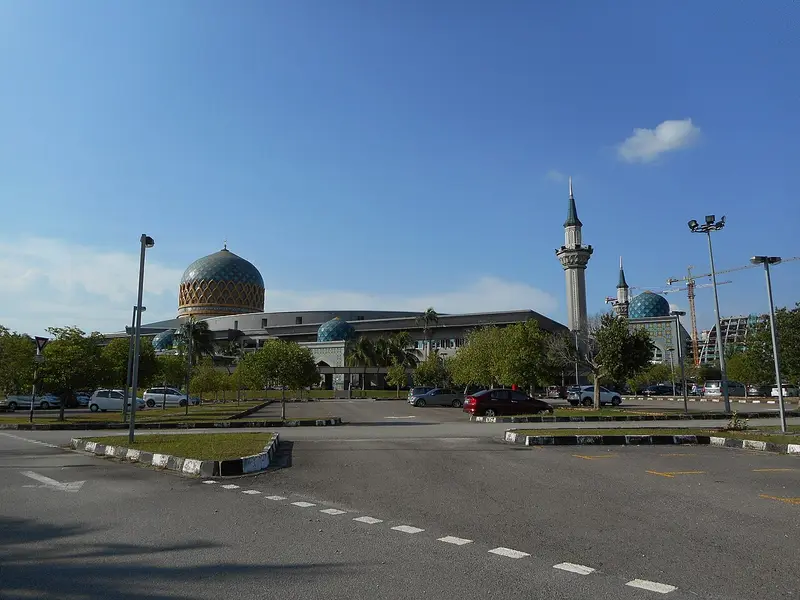 Sultan Abdul Samad Mosque
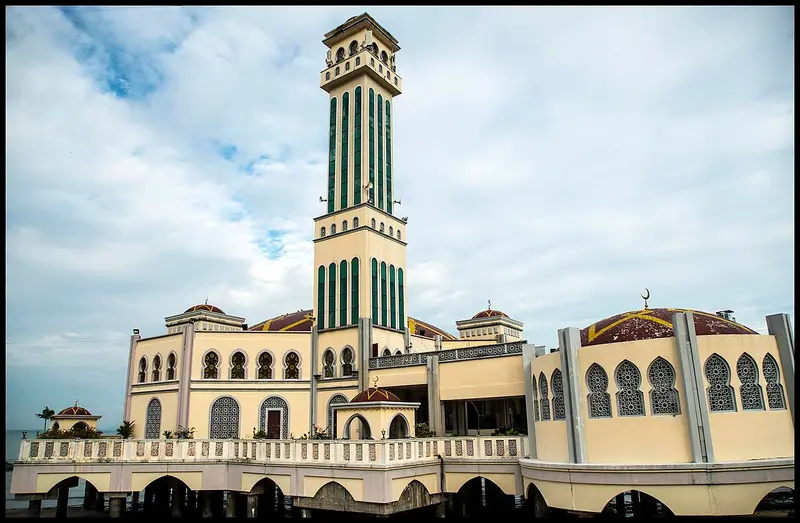 Penang Floating Mosque
 Sungai Batu
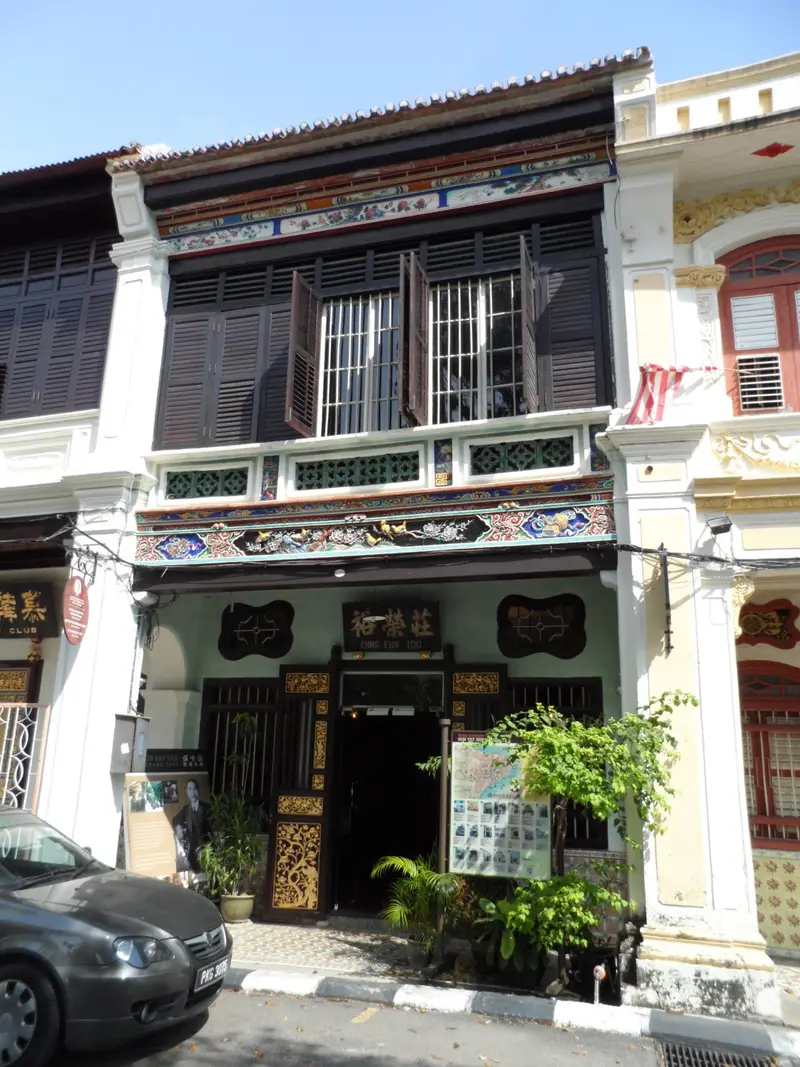 Sun Yat-sen Museum Penang
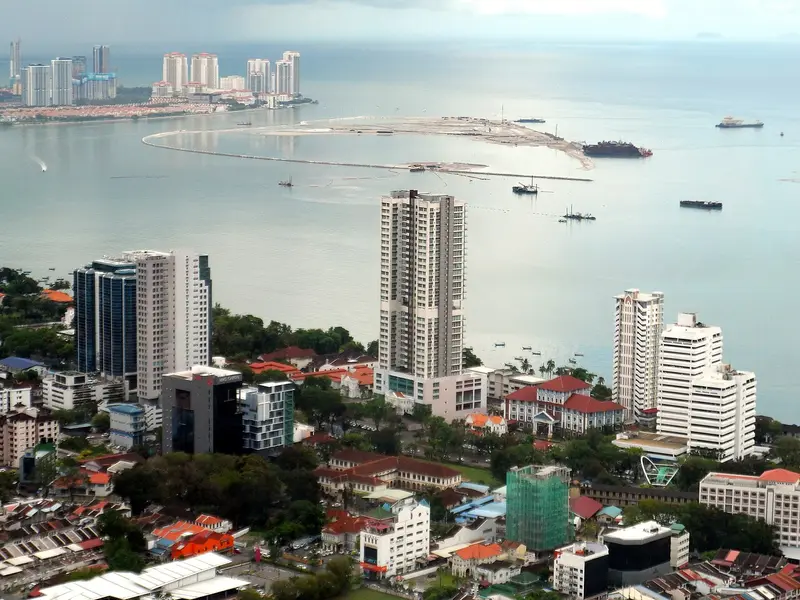 Gurney Bay
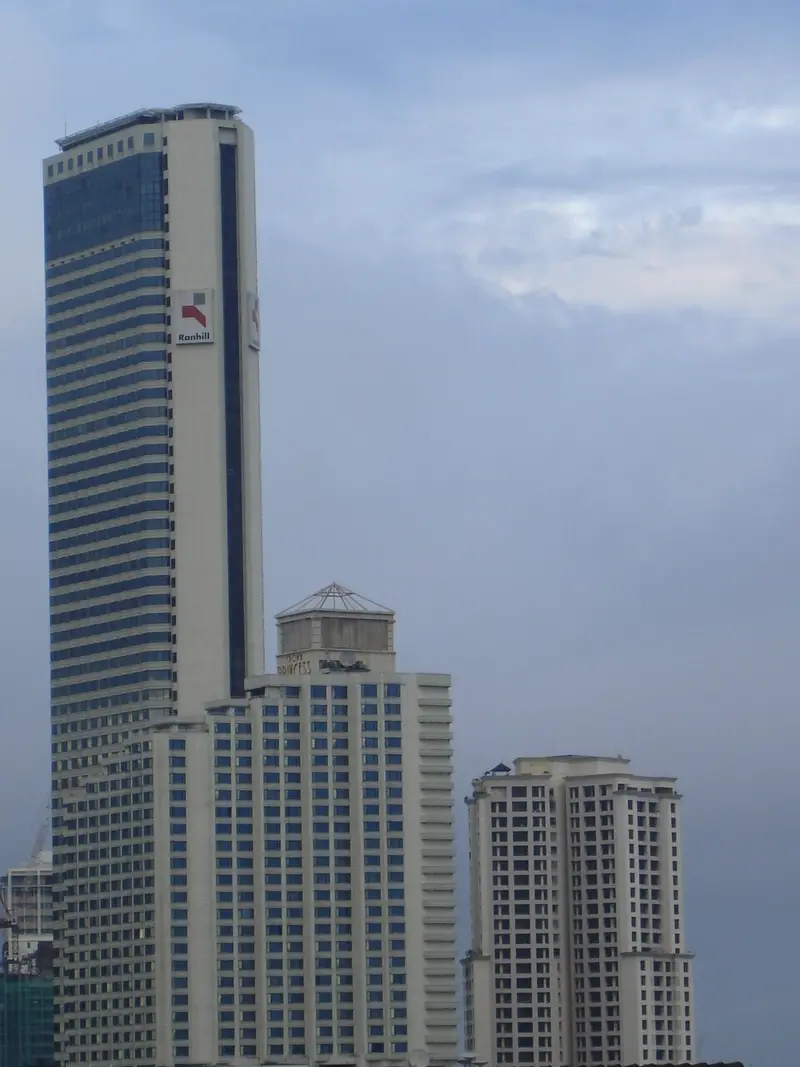 Vista Tower
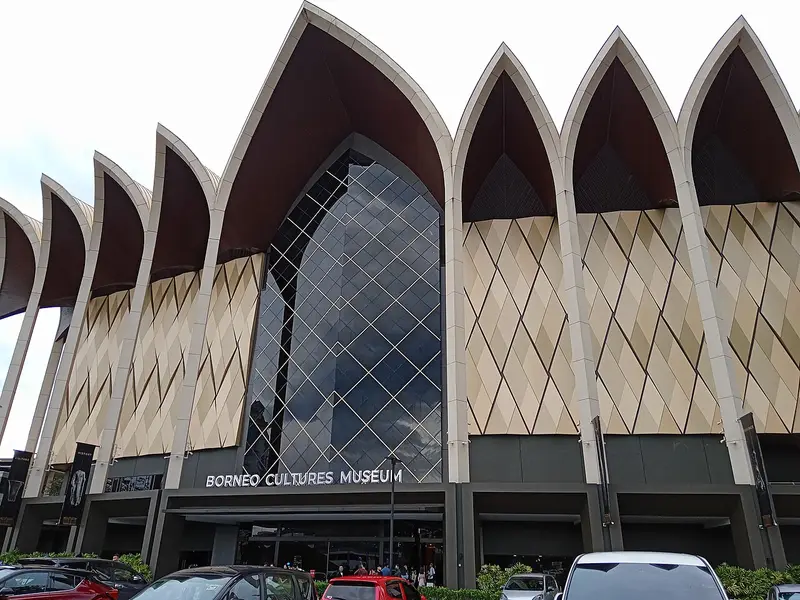 Borneo Cultures Museum
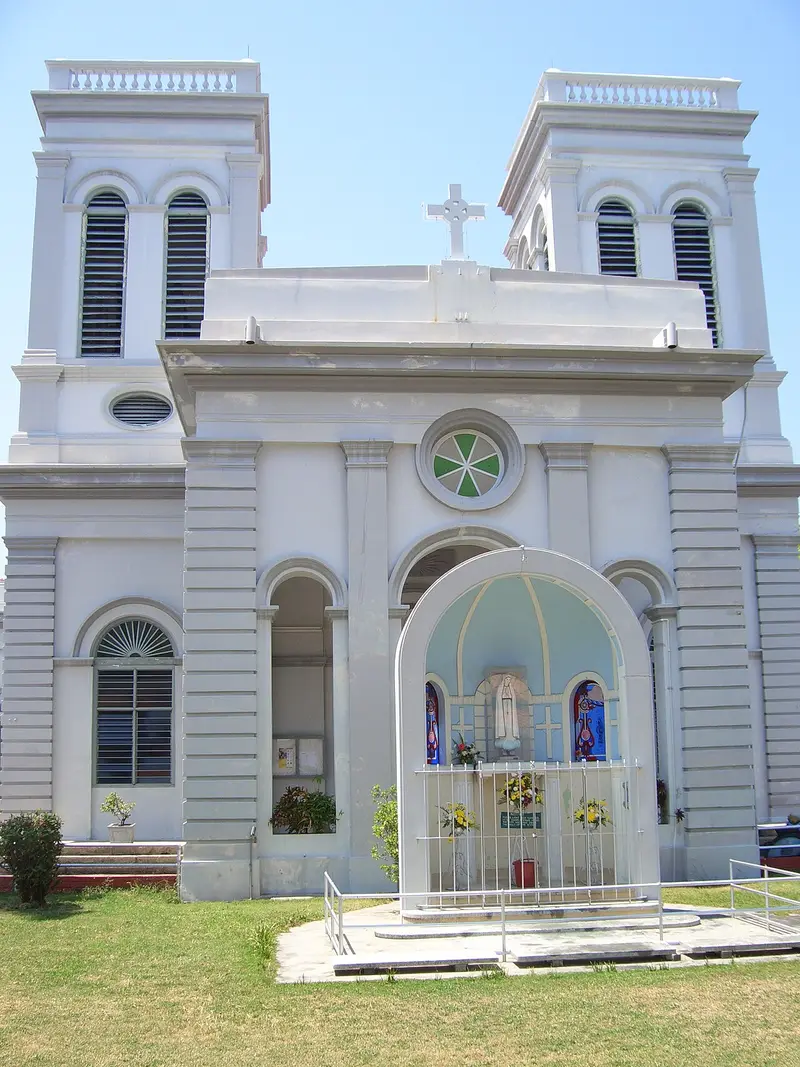 Church of the Assumption


